


I get it. Watching your arborvitae trees turn brown feels terrible. These evergreens should be lush and green, not dying in your yard. The brown needles make you wonder if it’s too late.
But here’s what I’ve learned after years of working with stressed trees: most can be saved. You just need to know what went wrong and how to fix it fast.
In this guide, I’ll walk you through exactly how to save brown arborvitae trees. We’ll identify what’s killing your tree, from water problems to pests.
Then I’ll give you proven fixes that actually work. You’ll also learn how to protect your trees so this never happens again.
Trust me, your trees can recover.
Understanding Why Arborvitae Trees Turn Brown
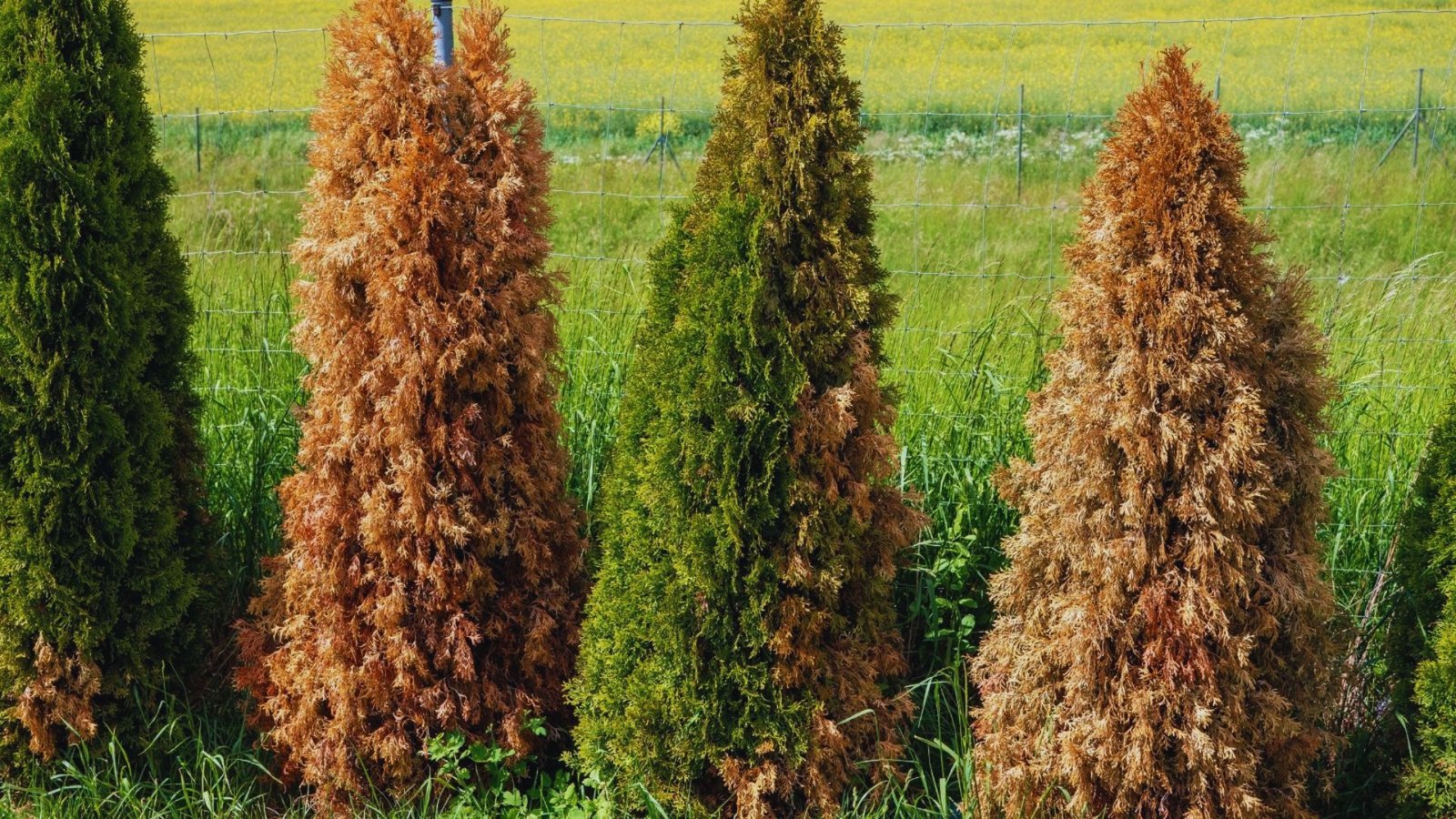
Before you can fix your tree, you need to know what’s causing the problem in the first place.
Water stress from too much or too little watering causes root problems and brown foliage. The soil should feel moist but never soggy.
Winter damage occurs when frozen ground stops water absorption while sun and wind dry out needles. Brown patches appear in late winter.
Pests like spider mites and bagworms suck sap and turn needles brown. Check for webbing or small bags on branches.
Fungal diseases block nutrient flow in wet soil, causing brown patches that spread upward from the base.
Environmental stress from compacted soil, road salt, or improper planting depth weakens roots and causes gradual browning.
How to Save Brown Arborvitae Trees
Now let’s talk about the practical steps you can take to bring your tree back to health.
Inspect and Diagnose the Problem
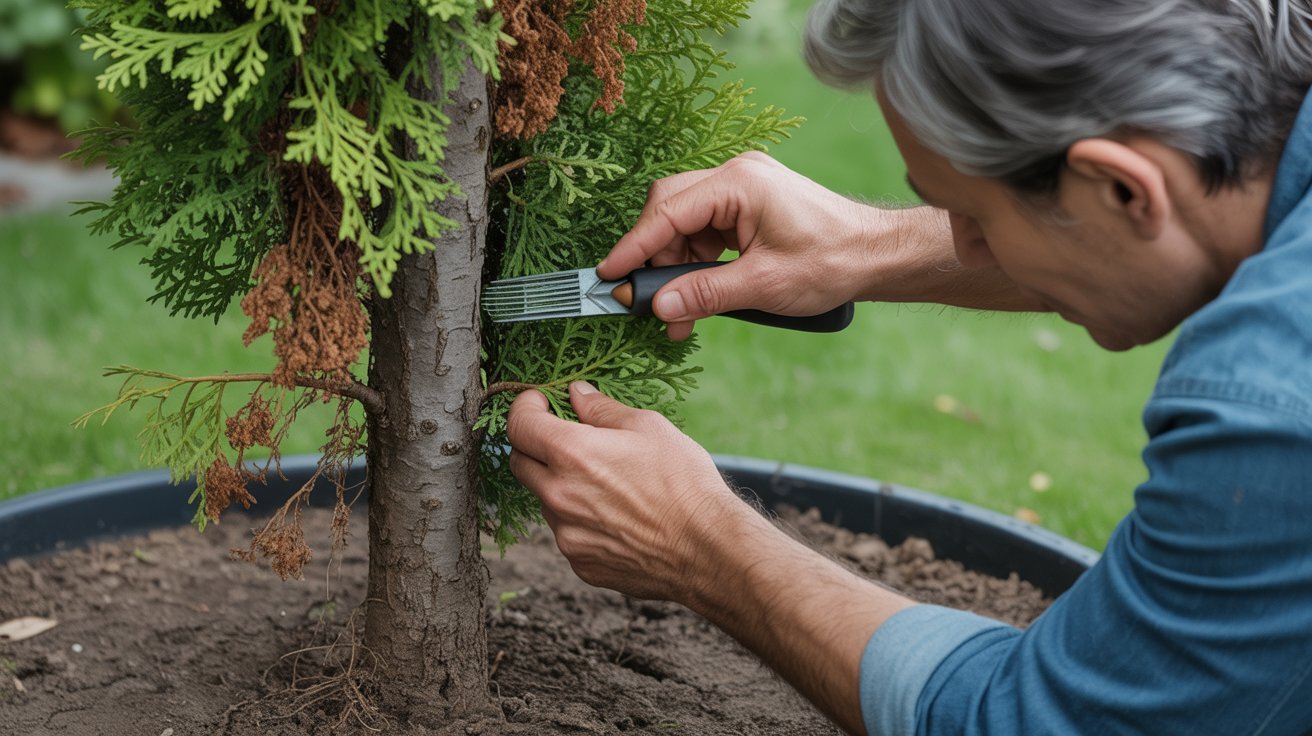
Start with a close look at your tree. Scratch a small section of bark with your fingernail. Green underneath means it’s alive. Brown or gray means that part is dead.
Check for bugs, webs, or bags. Look at the roots if you can see them. Feel the soil moisture. Write down what you find so you know what to treat.
Adjust Watering Practices
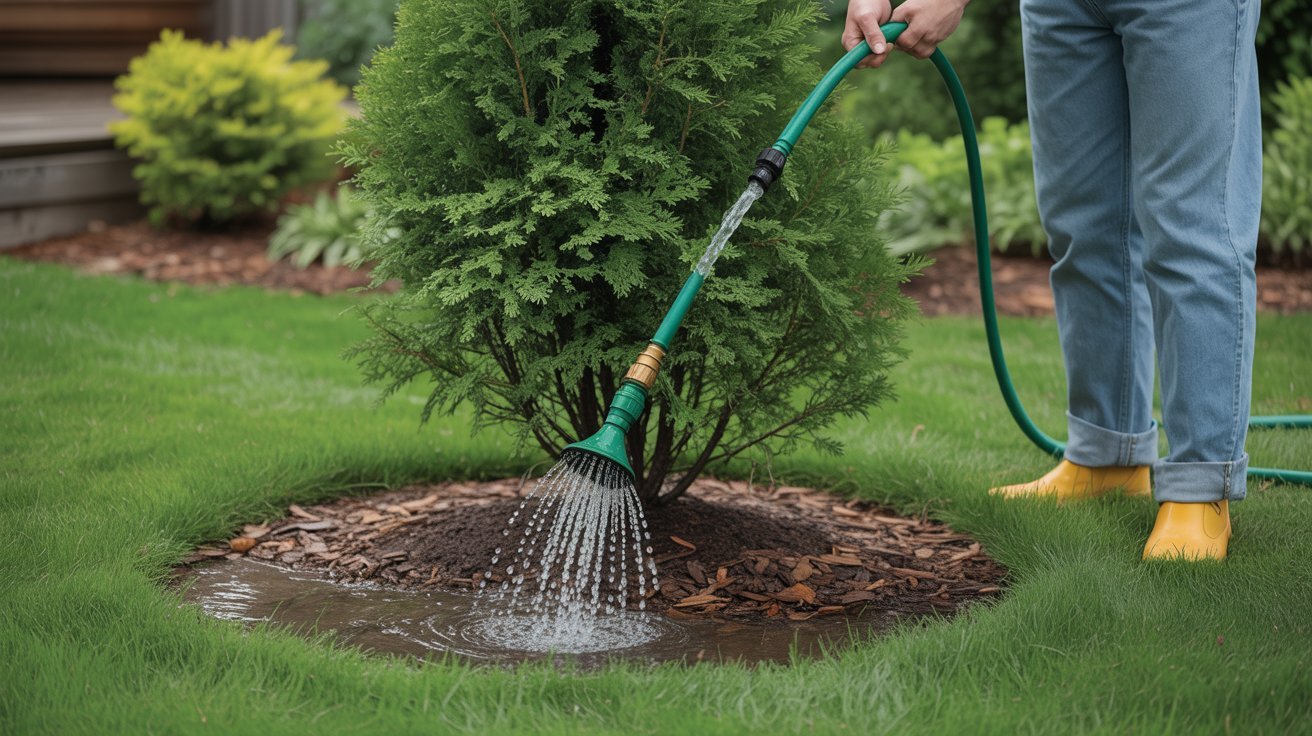
Deep watering is better than frequent shallow watering. Give your tree a slow, thorough soak once or twice a week. The water should reach down 12 to 18 inches. Use a soaker hose or let a regular hose run slowly at the base.
In hot weather, water more often. In cool weather, water is less. Always check the soil first. Stick your finger in a few inches. If it’s dry, water. If it’s wet, wait.
Prune Damaged Branches Carefully
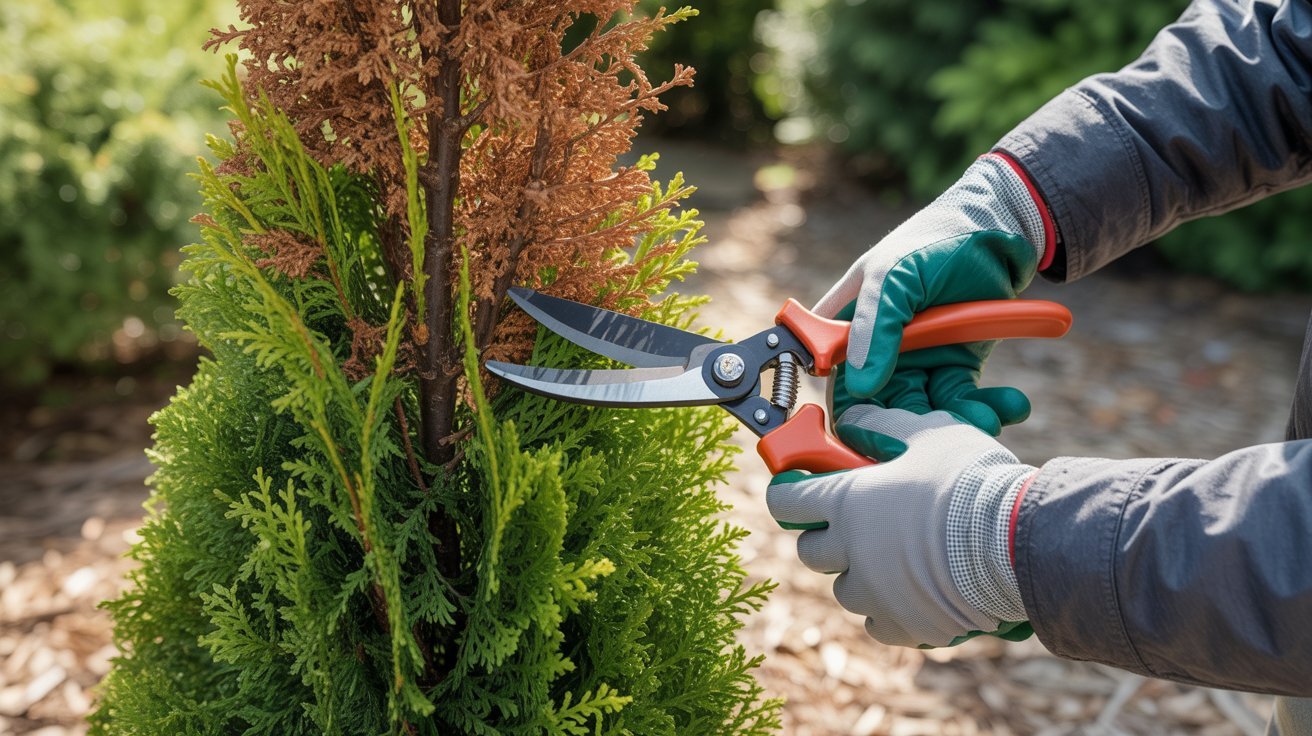
Remove only the dead or diseased parts. Use clean, sharp pruners. Cut just above where the brown meets the green. Don’t take off more than 20 to 30 percent of the tree at once.
A stressed tree needs its remaining foliage to recover. Make clean cuts and avoid tearing the bark. Prune in late winter or early spring before new growth starts.
Improve Soil and Mulching
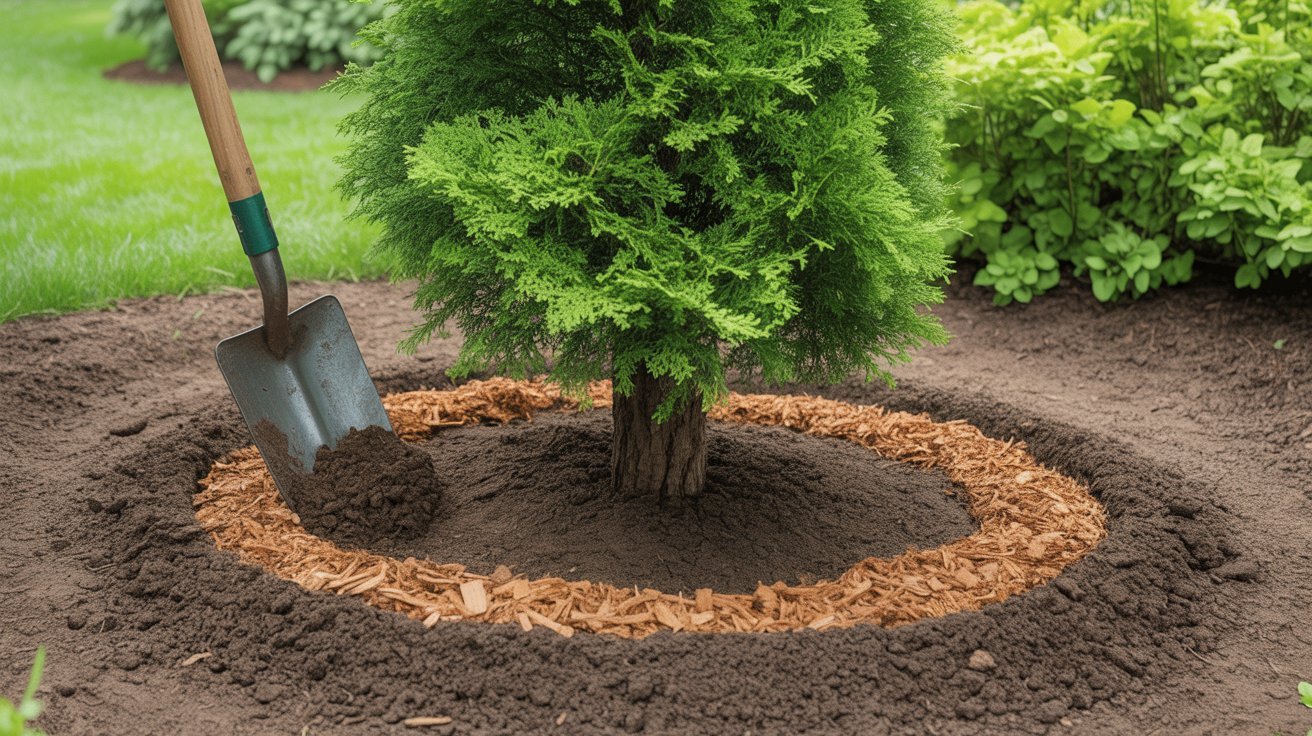
Good soil makes all the difference. Add organic compost around the base to improve drainage and add nutrients. Spread 2 to 4 inches of mulch in a circle around the trunk.
Keep the mulch a few inches away from the bark itself. This keeps moisture steady and prevents weeds. If your soil is compacted, use a garden fork to poke holes and let air reach the roots.
Apply the Right Fertilizer
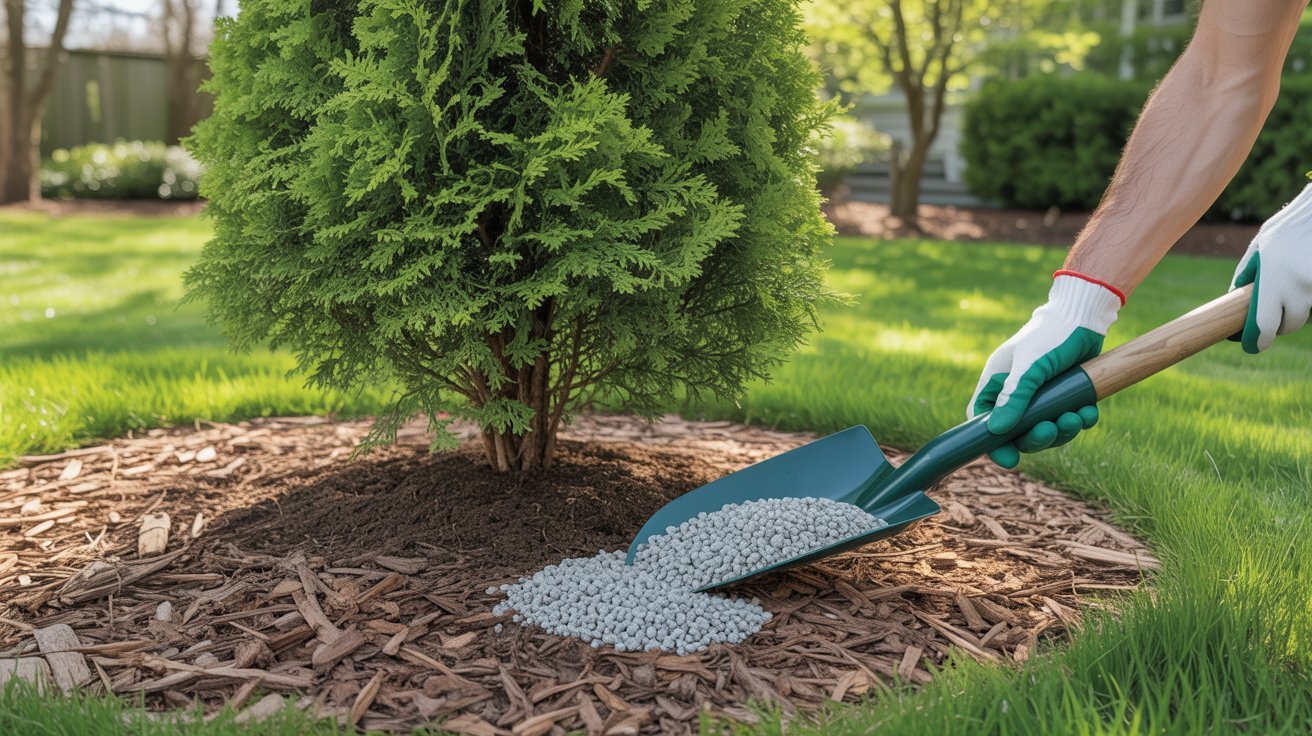
Feed your tree with a balanced, slow-release fertilizer in spring. Look for something like 10-10-10 or an evergreen formula. Follow the package directions carefully. Too much fertilizer burns the roots.
Natural options like compost tea or fish emulsion work well too. Avoid fertilizing in late summer or fall because it encourages new growth that won’t survive winter.
Protect Trees During Winter
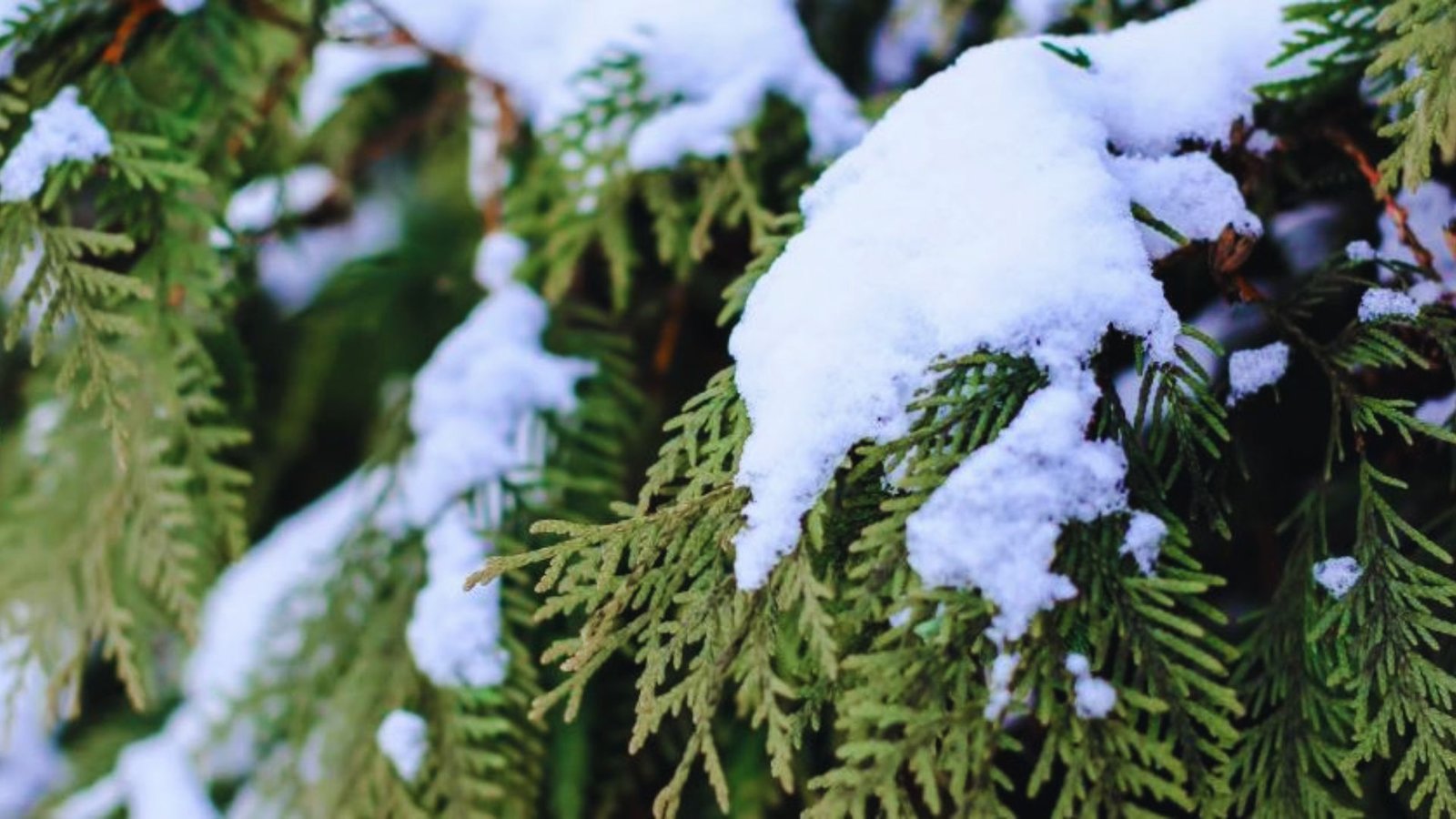
Wrap young or exposed trees with burlap to block harsh wind. Create a windbreak using stakes and fabric on the side that gets the most wind. Spray anti-desiccant on the foliage in late fall.
This coating reduces water loss. Water your tree well before the ground freezes. Brush off heavy snow gently to prevent branch damage.
Manage Pests and Diseases
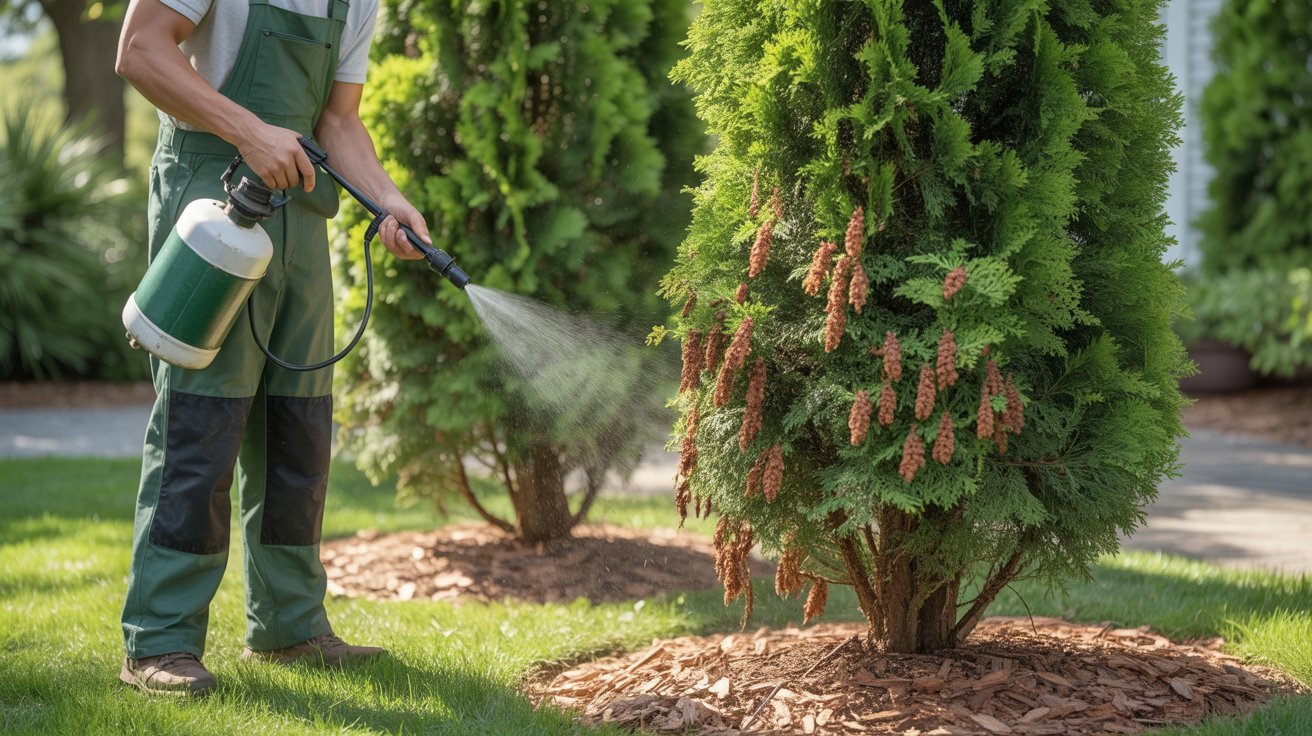
For spider mites, spray with insecticidal soap or neem oil. Repeat every few days until they’re gone. Pick off bagworms by hand and drop them in soapy water. For fungal problems, improve drainage first.
Use a fungicide only if the problem is severe. Sometimes you need professional help. A certified arborist can identify the exact issue and recommend targeted treatments.
When to Remove an Arborvitae Tree
Sometimes the damage is too severe and removal is the only safe option left.
Signs the Tree Can’t Be Saved:
If more than half the tree is brown, recovery is unlikely. Check the trunk for soft spots or cracks that ooze sap. Brittle branches that snap easily mean the tree is dying.
Pull gently on the bark. If it comes off in sheets, the tree is gone. Root rot that has spread throughout the root system can’t be reversed.
Safe Removal and Replacement:
Hire a professional tree service for safe removal. They have the equipment and experience to do it without damaging your property.
After removal, improve the soil before planting again. Choose disease-resistant varieties like Green Giant or Emerald Green. Make sure the new location has good drainage and enough space for the tree to grow.
Preventing Future Browning
The best cure is prevention so your trees stay green and healthy for years to come.
- Plant arborvitae in well-drained soil that gets full to partial sun with at least 6 hours of sunlight daily
- Space trees properly so air can flow between them and avoid low spots where water pools after rain
- Test your soil pH as arborvitae prefer slightly acidic to neutral soil for optimal growth
- Walk around your trees every few weeks to check for color changes, pests, or broken branches
- Water during dry spells, pull competing weeds, and refresh your mulch layer each spring
- Schedule an annual inspection with a certified arborist or after major storms hit your area
- Professional arborists can prune correctly, treat diseases early, and create a care plan for your trees
Conclusion
I’ve seen dozens of brown arborvitae trees come back to life, including my own. When mine started browning three years ago, I thought it was done.
But I learned how to save brown arborvitae trees through trial and patience. Within months, new green growth appeared.
Yours can recover too. Start with one fix today, maybe checking your watering schedule.
Drop a comment below if you have questions. I’m here to help you get those trees green again.
Frequently Asked Questions
Can brown arborvitae needles turn green again?
No, brown needles stay brown. But the tree can grow fresh green foliage if you fix the problem quickly.
How often should I water my arborvitae trees?
Water deeply once or twice weekly during the growing season. Adjust based on rainfall and check soil moisture first.
Is it normal for arborvitae to brown in winter?
Some winter browning is normal. Excessive browning needs protection like burlap wraps and anti-desiccant sprays.
What’s the best time to prune brown branches?
Late winter or early spring works best. This timing lets the tree heal before the growing season starts.
Should I fertilize a stressed arborvitae tree?
Wait until recovery signs appear. Fix water and soil problems first before adding any fertilizer.


