


Is your yard turning into a swamp after heavy rain? I understand the frustration. Standing water damages your landscape and creates mosquito problems.
In this guide, I’ll show you how water absorbing plants can solve your drainage issues naturally. These moisture-loving species work like sponges, soaking up excess water while making your garden beautiful.
I’ve spent years testing different plants in wet areas, and I’m sharing what actually works. You’ll learn which trees, shrubs, and perennials absorb the most water.
We’ll cover how to design a functional rain garden that stops flooding and erosion. Ready to turn that soggy spot into something special?
Why Choose Water Absorbing Plants for Rain Gardens
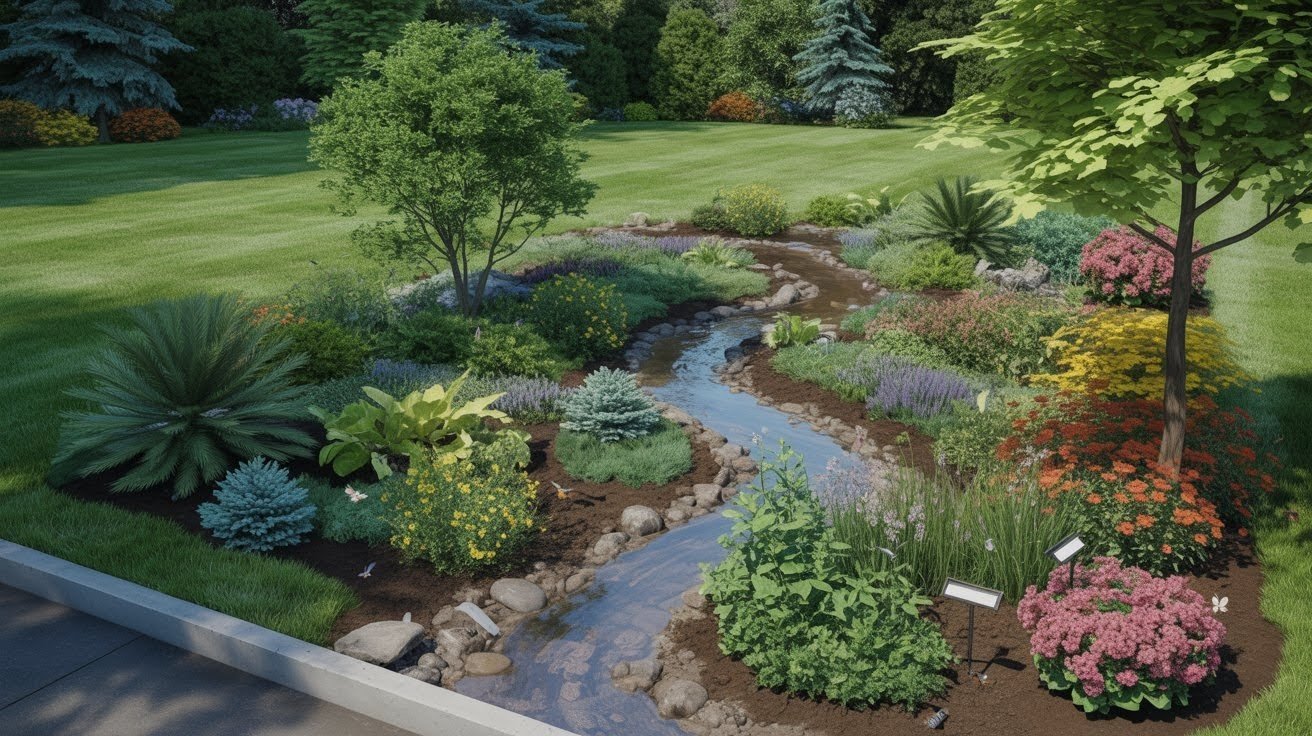
Rain gardens manage stormwater runoff. They capture water from your roof, driveway, and lawn before it floods your property or pollutes local waterways.
Water absorbing plants prevent soil erosion and flooding. Their roots grip the soil tightly. They drink standing water fast. This keeps your landscape stable during storms.
Environmental benefits go beyond drainage. These plants filter out pollutants like oil and fertilizers. They provide nectar for bees and butterflies. They improve soil structure over time.
Different plant types serve different purposes. Trees offer deep roots and shade. Shrubs create borders and absorb mid-level water.
Perennials add color while soaking up surface moisture. Together, they create a layered system that handles water at every level.
Best Water Absorbing Plants for Wet Landscapes
These moisture-loving plants handle wet soil beautifully while preventing drainage problems in your yard.
Water Absorbing Trees (for Structure & Shade)
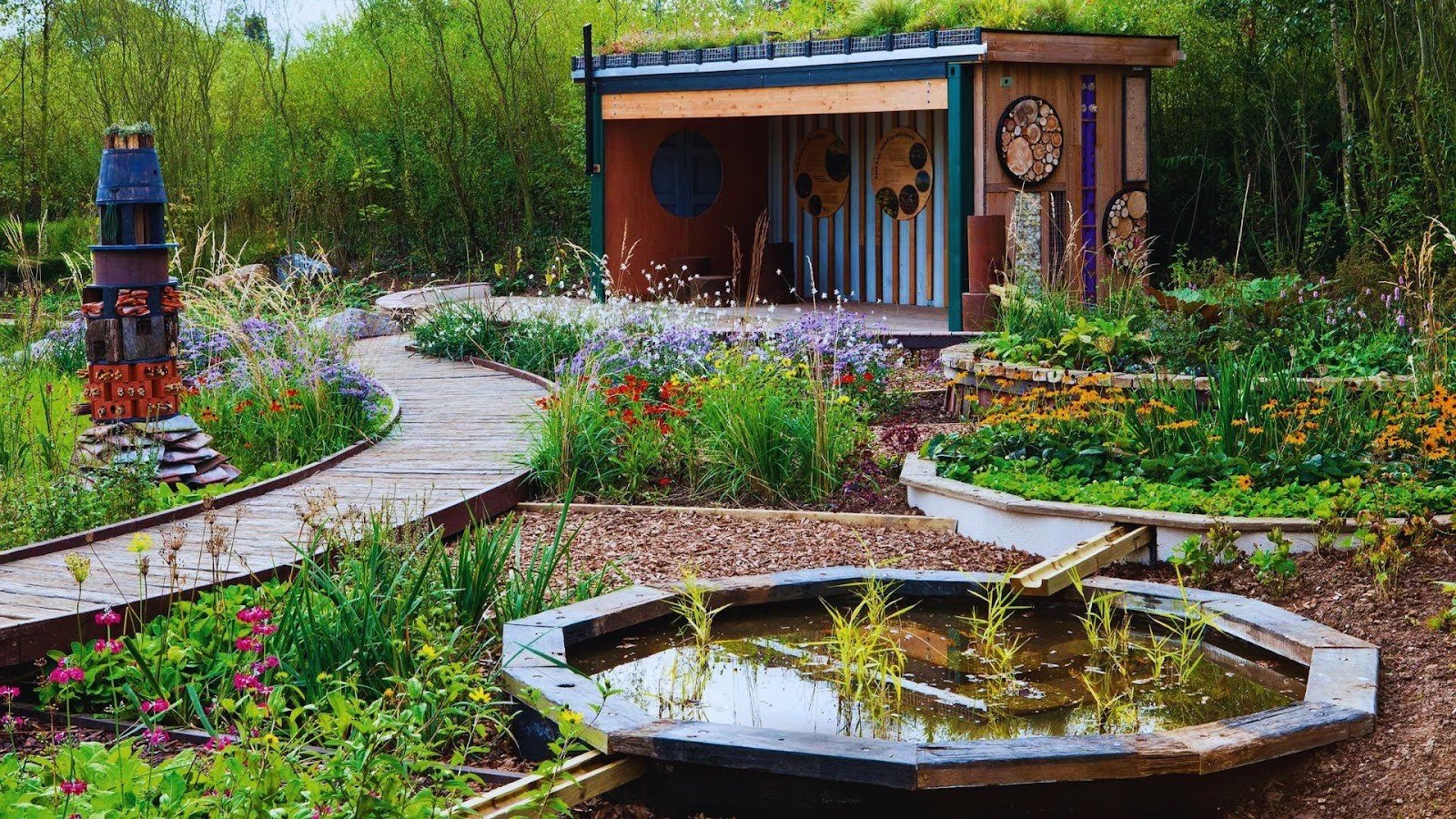
- Red Maple (Acer rubrum): This native tree thrives in wet soil. It has brilliant fall color and grows quickly. Red maples can absorb large amounts of water through their extensive root systems.
- River Birch (Betula nigra): River birch loves moisture. Its peeling bark adds year-round interest. This tree grows fast and tolerates occasional flooding without damage.
- Weeping Willow (Salix babylonica): Willows are famous water drinkers. Their long roots seek out moisture deep in the soil. The graceful, drooping branches create beautiful shade.
- Bald Cypress (Taxodium distichum): This tree grows naturally in swamps. It handles standing water better than most trees. Bald cypress provides great structure and can live for centuries.
- Black Gum (Nyssa sylvatica): Black gum tolerates wet conditions well. It produces brilliant red foliage in fall. Wildlife loves its small fruits.
- White Cedar (Thuja occidentalis): This evergreen thrives in moist soil. It provides year-round privacy screening. White cedar adapts to both wet and slightly dry conditions.
- Oriental Arborvitae (Thuja orientalis): Another evergreen option for wet areas. It grows in a neat, upright shape. Oriental arborvitae requires minimal pruning.
Moisture-Loving Shrubs (for Borders & Drainage Control)
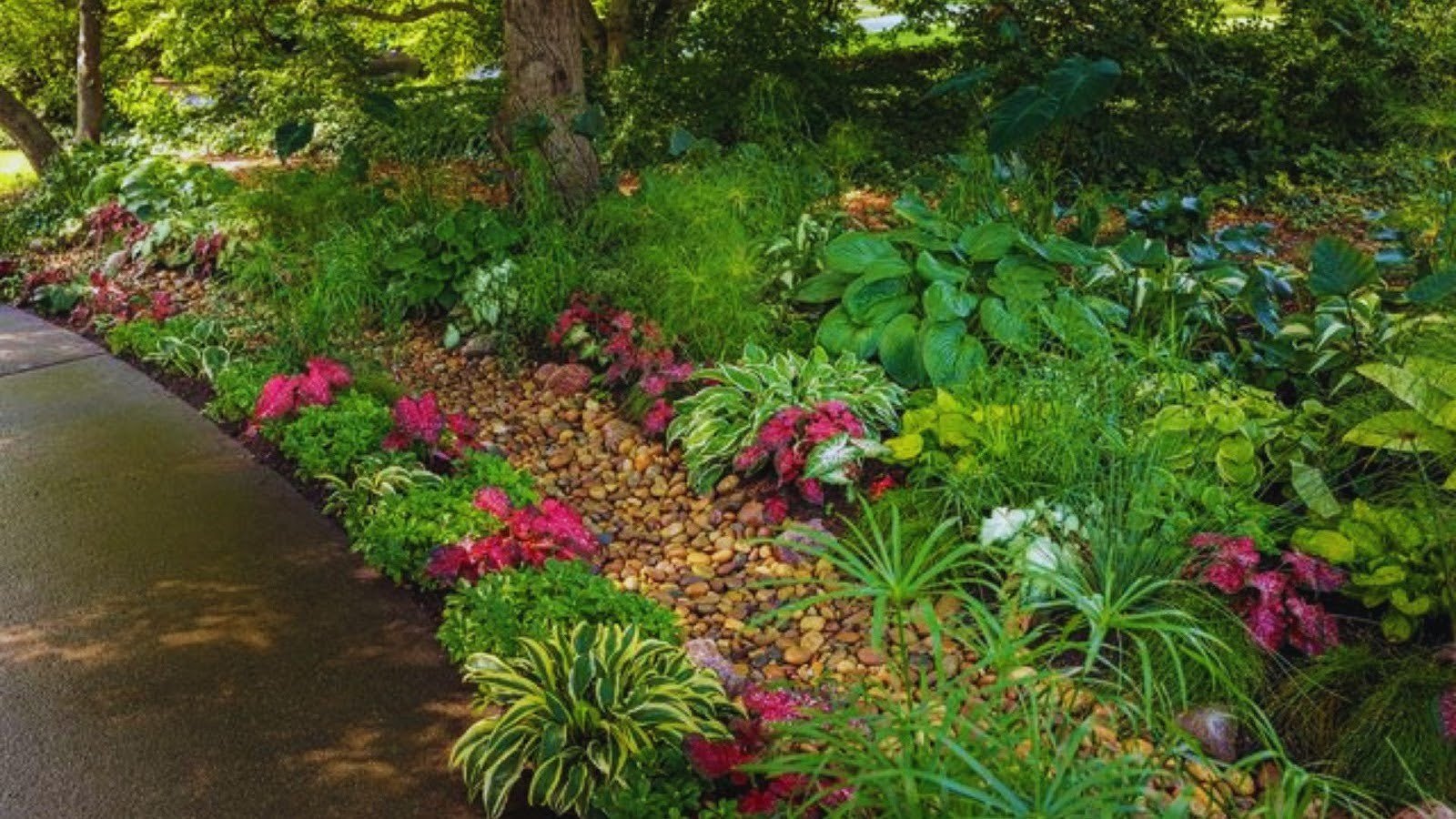
- Buttonbush (Cephalanthus occidentalis): Buttonbush produces unique, round white flowers. It attracts butterflies and hummingbirds. This native shrub handles wet soil and partial flooding.
- Red Twig Dogwood (Cornus sericea): Bright red stems make this shrub stand out in winter. It spreads to form colonies that stabilize soil. Red twig dogwood loves wet, boggy conditions.
- American Cranberrybush (Viburnum trilobum): This shrub offers white spring flowers and edible red berries. It grows well in moist soil. Birds enjoy the fruit in winter.
- Inkberry (Ilex glabra): An evergreen holly that tolerates wet feet. It maintains a neat, rounded form. Inkberry provides year-round structure in rain gardens.
- Summersweet (Clethra alnifolia): Fragrant white flower spikes bloom in summer. This native shrub loves moisture. Summersweet attracts beneficial insects.
- Spicebush (Lindera benzoin): Early spring blooms appear before leaves. It tolerates shade and wet soil. Spicebush supports native butterfly species.
- Blue Elderberry (Sambucus mexicana): Fast-growing shrub with edible berries. It thrives in moist conditions. Blue elderberries provide food for birds and humans.
Water-Thirsty Perennials (for Color & Pollinator Support)
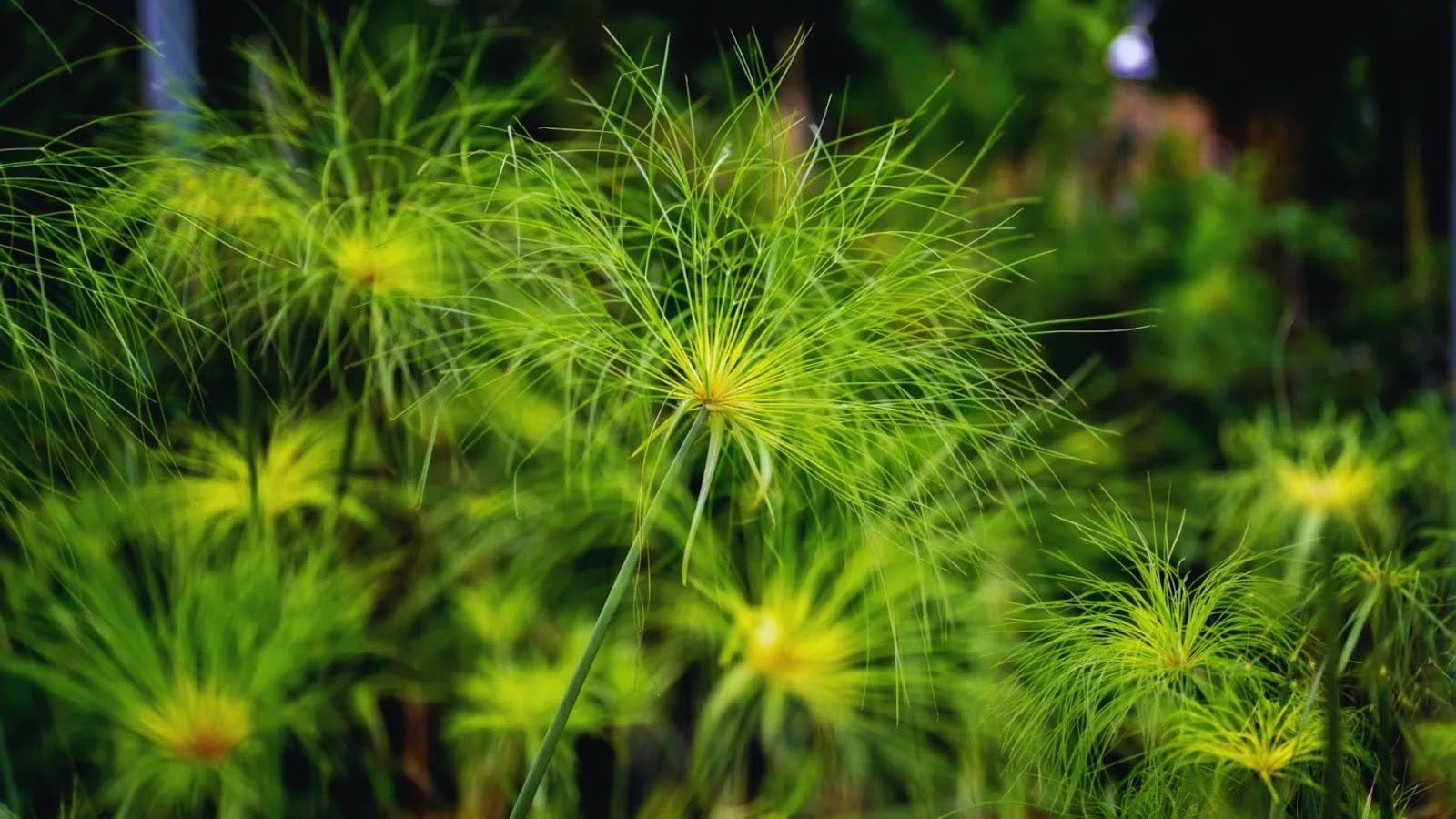
- Bee Balm (Monarda didyma): Bright red flowers attract hummingbirds. This perennial spreads to fill wet areas. Bee balm blooms throughout summer.
- Daylily (Hemerocallis spp.): Tough and reliable in moist soil. Daylilies come in countless colors. Each flower lasts one day, but plants produce many blooms.
- Cardinal Flower (Lobelia cardinalis): Striking red spikes rise above wet ground. This native loves moisture. Cardinal flower is a hummingbird magnet.
- Japanese Iris (Iris ensata): Large, impressive blooms thrive in wet conditions. It tolerates standing water during growth. Japanese iris adds sophistication to rain gardens.
- Joe Pye Weed (Eutrochium purpureum): Tall pink flower clusters appear in late summer. It can grow six feet high. Joe Pye weed supports many pollinator species.
- Elephant Ear (Colocasia esculenta): Huge tropical leaves create drama. This plant absorbs lots of water. Elephant ear grows fast in warm, moist conditions.
- Golden Club (Orontium aquaticum): Unique yellow flower spikes emerge in spring. It grows in shallow water or wet soil. Golden club is a native aquatic plant.
Designing an Effective Rain Garden
Rain gardens work best when planned carefully. Smart design helps plants absorb maximum water while staying healthy.
- Pick plants that naturally grow in your region and match your hardiness zone. Native species need less care and support local wildlife.
- Place trees at the lowest point where water collects most. Add shrubs around the edges and plant perennials throughout for color.
- This layered approach absorbs water at different depths. Deep tree roots handle groundwater while shallow perennial roots soak up surface moisture.
- Trim plants regularly and add mulch to retain moisture and prevent weeds. Check drainage after storms and remove debris that blocks water flow.
- Watch for plants that struggle and replace them with better-suited species. Regular monitoring keeps your rain garden functioning properly.
Conclusion
I remember my first rain garden. I planted just three water absorbing plants in a soggy corner, unsure if they’d survive.
Within weeks, that muddy mess became my favorite spot. Now I can’t imagine my yard without them. You can start small too. Pick a few species from this list that match your zone.
Watch how quickly they soak up standing water. Your wet problem area will become a habitat for butterflies and birds.
Rain gardens work, and yours will too. Drop a comment below and tell me which water absorbing plants you’re trying first.
Frequently Asked Questions
What makes a plant good at absorbing water?
Plants with extensive root systems and high water needs work best. Species that naturally grow in wetlands absorb excess water efficiently.
How quickly do rain gardens drain after storms?
Most rain gardens drain within 12 to 48 hours. If water sits longer than three days, you may need to improve soil composition.
Can I plant vegetables in a rain garden?
It’s not recommended. Rain gardens collect runoff that may contain pollutants. Stick with ornamental plants that filter water but aren’t meant for eating.
Do rain gardens attract mosquitoes?
No, if designed properly. Rain gardens drain quickly so mosquitoes can’t complete their life cycle, which needs at least five days.
How deep should a rain garden be?
Most rain gardens are four to eight inches deep at the center. This depth collects adequate water without creating a pond.


