


I remember the first time I pruned my maple tree. I made every cut with confidence, only to watch sap pour out like a faucet. I panicked, thinking I’d killed my tree.
That mistake taught me a valuable lesson. Timing matters more than I ever realized.
If you own a maple tree, you’ve probably wondered about the best time to prune it. Maybe you’re staring at dead branches right now, unsure if you should grab your saw or wait.
I’ve been there. Let me share what I’ve learned about pruning maples the right way, so you don’t repeat my mistakes.
Understanding the Importance of Proper Maple Tree Pruning
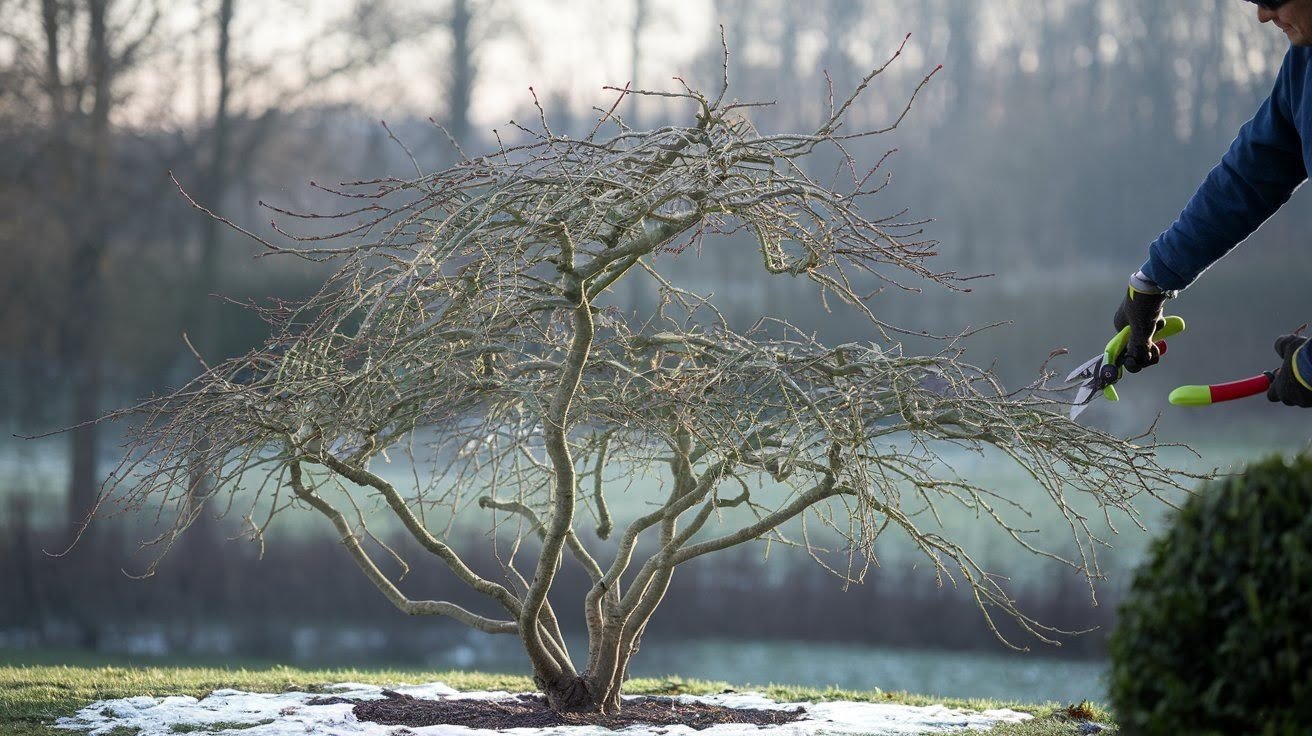
Pruning at the right time keeps your maple trees healthy and strong. Good timing helps wounds heal faster and prevents problems down the road.
Why pruning timing matters
Timing affects how well your maple recovers from cuts. Trees heal best during their dormant period when they’re resting.
Sap flow is a major concern. Maples bleed heavily in late winter and early spring. Pruning during this period weakens the tree.
Common reasons to prune maple trees
- Removing damaged, diseased, or dead branches: Dead branches spread disease and attract pests. Cutting them out protects your tree’s health.
- Improving tree shape and structure: Pruning guides your maple to grow with better form and stronger branches.
- Increasing sunlight and airflow through the canopy: Thinning dense areas lets light in and air circulate, which keeps foliage healthy.
- Preventing safety hazards or property damage: Remove risky branches before they fall on buildings, vehicles, or power lines.
The Best Time to Prune Maple Trees
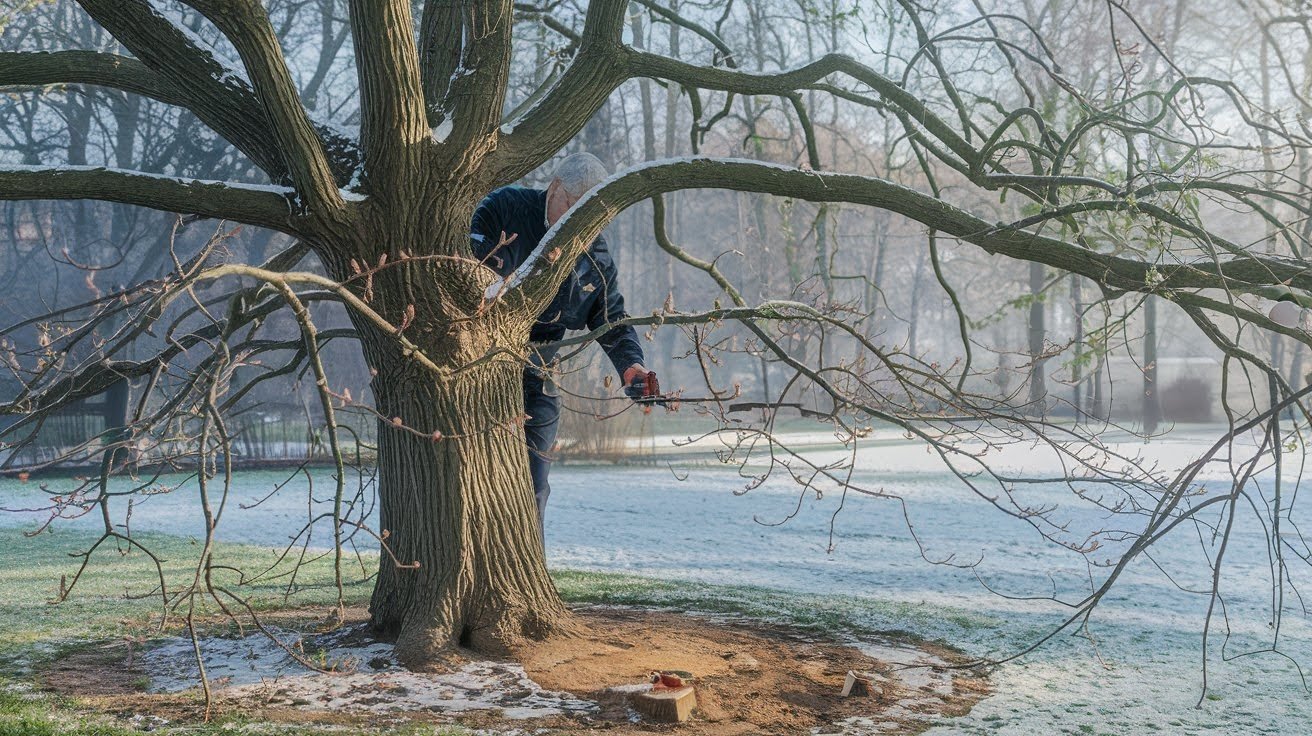
The best months for pruning maples are late winter through early spring. This timing gives your tree the best chance to heal and grow strong.
Late winter to early spring (ideal pruning window)
Late winter is when maples are dormant. The tree is resting and not actively growing. This makes it the perfect time to prune.
Dormancy means less stress on your tree. It won’t waste energy trying to heal while also pushing out new leaves.
Pruning before buds open gives your maple a head start. Once spring arrives, the tree focuses all its energy on healthy new growth instead of damaged branches.
Wounds close faster during this period. Pests and diseases are also less active in cold weather, so there’s lower risk of infection.
Why early spring pruning can cause sap flow (“bleeding”)
Maples like sugar and red varieties produce lots of sap in early spring. Cut a branch during this time and you’ll see sap dripping from the wound.
This bleeding looks alarming but won’t harm your tree. The sap loss is minimal and doesn’t affect the maple’s health.
You can reduce bleeding by waiting until late winter before sap starts flowing. If you must prune during sap season, make clean cuts and avoid pruning too many branches at once.
Summer pruning as an alternative
Summer pruning works well for specific situations. The tree is in full leaf, so you can see its true shape better.
Pruning in summer stops sap bleeding completely. The tree’s active growth period has passed, so cuts stay dry.
- Light shaping or thinning: Summer is good for minor corrections and removing small branches that block light.
- Emergency removal: If you spot diseased or broken branches during summer, remove them right away regardless of season.
Pruning Maple Trees by Age and Purpose
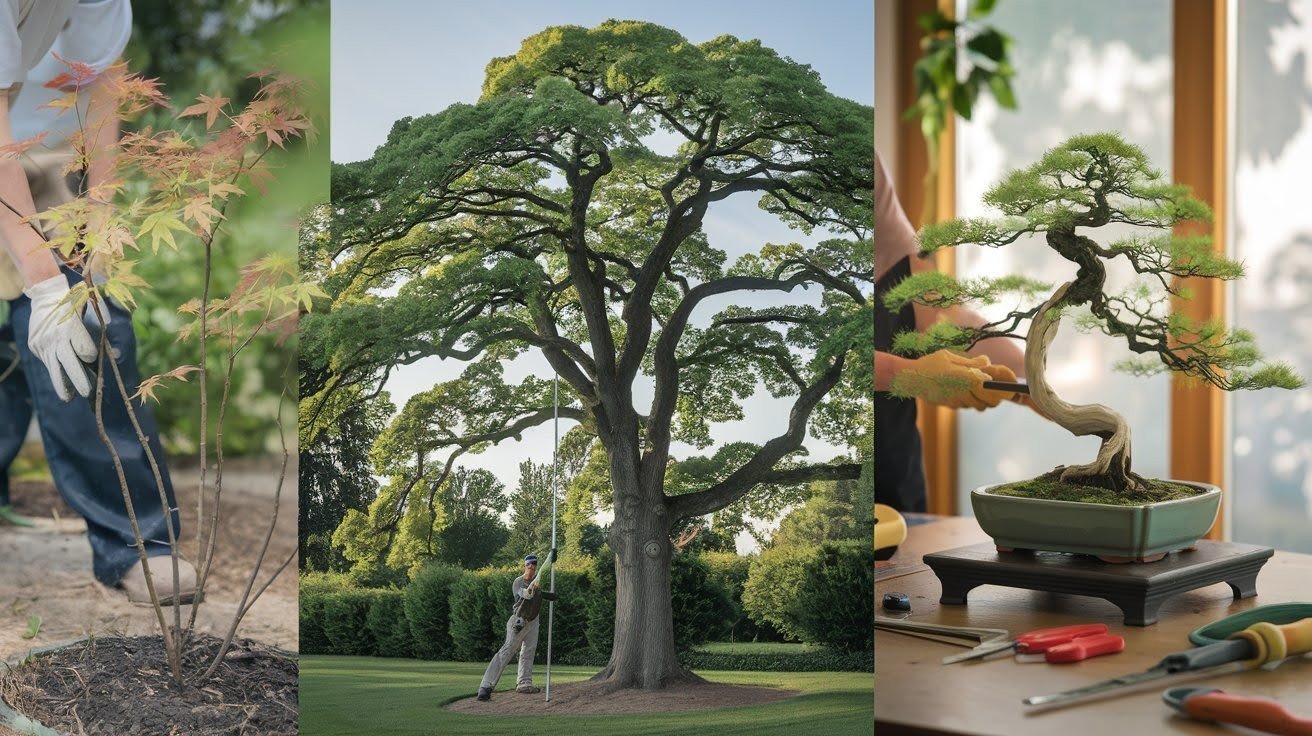
Different maples need different pruning approaches. Young trees require gentle care, while mature trees need structural maintenance.
Newly planted maple trees
New maples are still settling into their home. Keep pruning minimal during the first few years.
Focus only on removing dead wood and branches that cross or rub against each other. These cause damage and should go.
Avoid heavy pruning while the tree establishes roots. Your maple needs all its energy to grow a strong root system. Too much cutting sets it back.
Mature maple trees
Older maples need regular maintenance to stay healthy and safe.
Keep one main trunk growing straight up. Remove competing leaders that create weak branch angles.
Space out major branches so they don’t crowd each other. This prevents breakage and improves air circulation.
Never cut the top off your maple. Topping creates weak growth and ruins the tree’s natural shape. Remove no more than 25% of the canopy in one season.
Bonsai and ornamental maple trees
Bonsai maples follow different rules than landscape trees.
Timing shifts for bonsai training. You may need to prune multiple times per year to maintain the miniature form.
Regular pinching and cutting promotes dense, delicate branch structure. This creates the classic bonsai look.
Bonsai pruning is both art and horticulture. You’re shaping the tree while keeping it healthy and proportioned.
Expert Tips for Safe and Effective Pruning
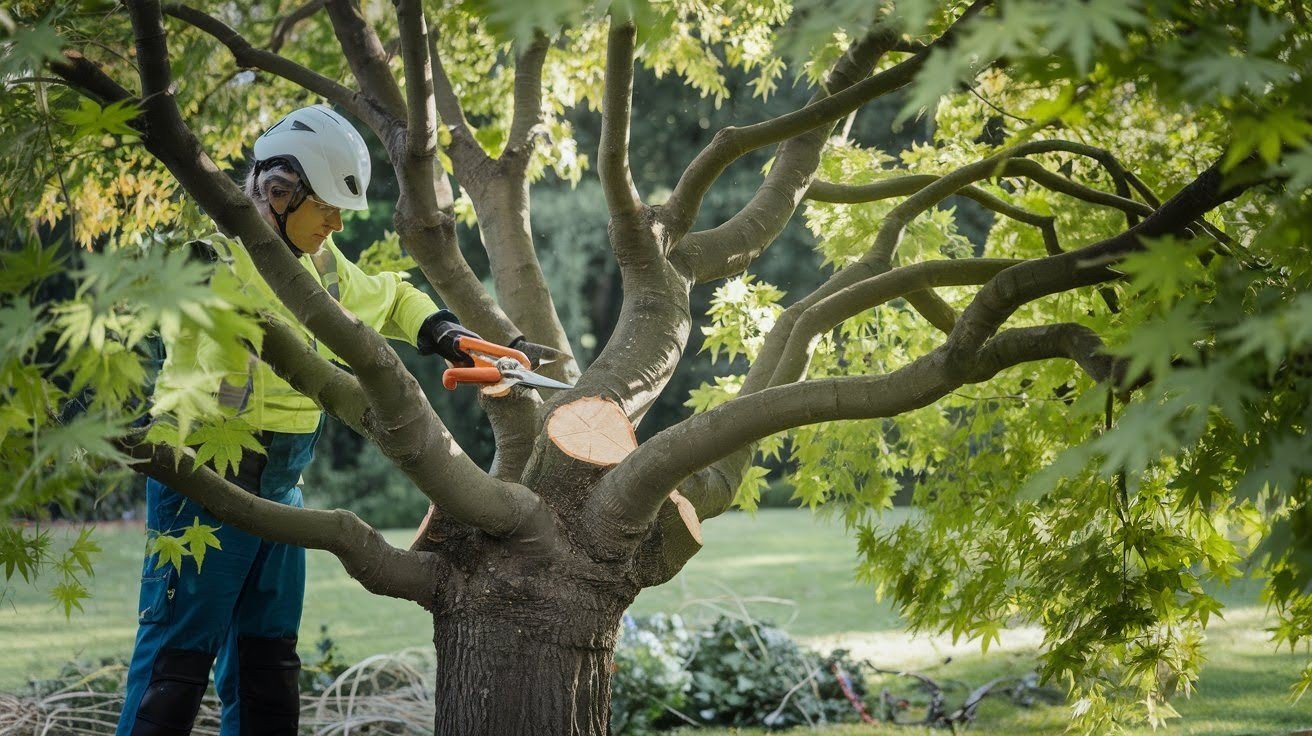
Proper technique matters as much as timing. Making cuts correctly helps your maple heal faster and stay healthy.
Where to make your cuts
Look for the branch collar before you cut. This is the slightly swollen area where the branch meets the trunk.
Cut just outside this collar. It contains special cells that seal the wound and fight infection.
Avoid cutting flush against the trunk or leaving long stubs. Both damage the tree’s ability to heal properly.
How much to prune at once
Remove no more than 20 to 25% of live branches in a single year. This keeps your tree from going into shock.
Over-pruning causes a thin canopy, stunted growth, and pest problems. If your maple needs major work, spread it across two or three years.
When to call a certified arborist
Call a professional for large limbs that require climbing or ladder work.
Overhead cuts near power lines always need an arborist. Only trained professionals should work near electrical hazards.
An arborist has the right tools and knowledge to care for your tree safely.
Aftercare and Maintenance
- Mulching and watering after pruning: Add 2 to 3 inches of mulch around your tree’s base, keeping it away from the trunk. Water deeply and regularly to help your maple heal and support new growth.
- Retain soil moisture: Mulch holds water in the soil and keeps roots cool during recovery. Check soil moisture often and water when the top few inches feel dry.
- Encourage healthy regrowth: Consistent watering for the first few weeks after pruning is critical. Your tree needs extra moisture to seal wounds and push out new branches.
- Recycle small branches into mulch: Run pruned branches through a chipper or cut them into small pieces. Spread this fresh mulch around your maple or other garden plants.
- Compost larger limbs: Chop bigger branches into smaller sections and add them to your compost pile. This keeps organic matter in your yard and saves money on store-bought mulch.
Conclusion
Pruning your maple trees doesn’t have to feel complicated. I’ve found that sticking to late winter makes the biggest difference in how quickly trees recover.
Yes, you might see some sap bleeding in early spring, but that’s normal and won’t hurt your tree.
Remember to take your time and never remove more than a quarter of the branches in one year. If a job feels too big or dangerous, calling an arborist is always the smart choice.
Your maples will thank you with years of healthy, beautiful growth when you prune them at the right time with the right technique.
Frequently Asked Questions
Can I prune my maple tree in the fall?
Fall pruning is not recommended for maples. The tree is preparing for winter and cuts made during this time heal slowly, leaving your maple vulnerable to disease and pest damage.
What happens if I prune my maple during active sap flow?
Your tree will bleed sap from the cuts, but this won’t cause permanent harm. The bleeding looks concerning but is mostly cosmetic and stops on its own as the tree seals the wound.
How often should I prune my mature maple tree?
Prune mature maples every 3 to 5 years for maintenance. Remove only dead, damaged, or problematic branches during each session to keep your tree healthy without causing stress.
Do I need to seal cuts after pruning my maple?
No, wound sealants are not necessary and can actually trap moisture and disease. Maples heal best when cuts are left open to air dry and form natural protective barriers.
Can I prune my maple tree myself or should I hire a professional?
You can handle small branches and basic maintenance yourself. However, hire a certified arborist for large limbs, high branches, or any cuts near power lines to ensure safety.


