


I’ve always been curious about how big a bonsai tree can get, and I know you are too. Bonsai is the art of growing miniature trees in containers.
But these tiny trees have size limits that might surprise you. In this article, I’ll show you the typical size ranges for bonsai trees.
You’ll learn about the smallest thumb-sized varieties and the largest specimens that need multiple people to lift.
I’ll also cover what affects their growth and how to control their size.
I’ve researched reliable sources and spent time studying different bonsai types. This guide gives you honest answers based on real bonsai classifications.
By the end, you’ll know exactly what size to expect from your bonsai and how to manage it.
Typical Bonsai Size Ranges
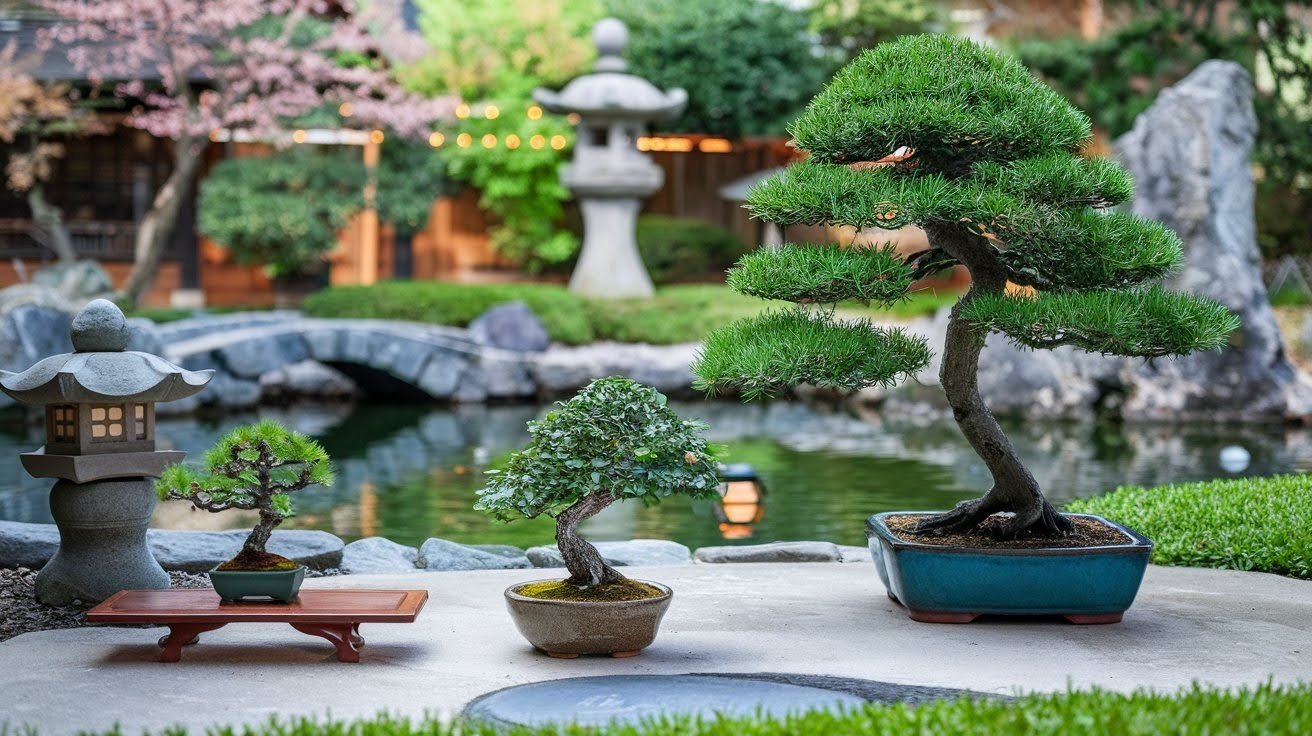
Bonsai trees range from tiny to massive. The smallest measure is just 1 inch tall. We call these Keishi or thumb-size bonsai.
Medium bonsai range from 10 to 36 inches tall. They’re perfect for tables and indoor displays.
Large bonsai can reach 80 inches or more. Some stand over 6 feet tall. Moving them requires multiple people.
Your choice depends on your space and time. Smaller trees need frequent watering. Larger trees require more pruning.
Factors That Influence Bonsai Size
Several key elements control how big your bonsai tree will grow. Let me break down what matters most.
Pot Size and Shape
Your pot controls root growth directly. The depth should match your trunk’s width. This keeps your tree proportional and healthy.
Smaller pots restrict roots more and naturally limit height. Larger containers allow more root spread and taller growth. The pot length should be about two-thirds of your tree’s height.
Pruning and Root Management
Regular trimming keeps your bonsai small. I cut back new growth every few weeks during the growing season. This maintains the size I want.
Root pruning is just as important. Every few years, I trim the roots when repotting. This prevents the tree from outgrowing its container.
Wiring shapes your tree’s form and controls growth direction.
Environmental Conditions
Light affects growth speed significantly. More sunlight means faster growth. Indoor trees get less light and stay smaller naturally.
Watering and fertilizer also impact size. Consistent moisture supports steady growth. Less fertilizer means slower growth.
Indoor bonsai typically stay smaller than outdoor ones. Outside trees can reach their full potential size with proper care.
Bonsai Size Classifications
Bonsai experts have created official size categories. These help growers communicate about tree sizes clearly.
Miniature Bonsai (Under 10 Inches / 25 cm)
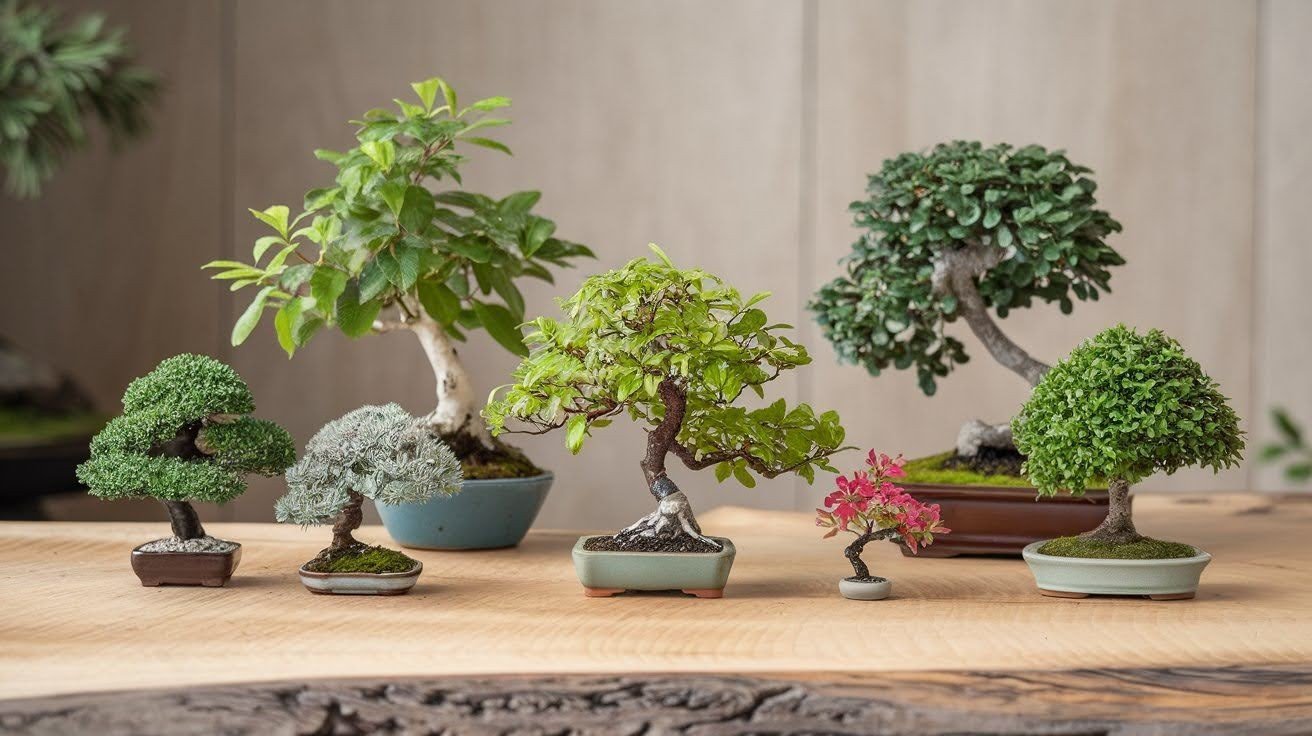
Keishi trees are the tiniest at just 1 inch tall. The name means “thumb-size” in Japanese.
Keshitsubo bonsai measure 1 to 3 inches. They’re fingertip-sized trees that need steady hands and patience.
Shito trees range from 2 to 4 inches. These palm-sized bonsai dry out quickly and need daily attention.
Mame bonsai grows 2 to 6 inches tall. These are popular with collectors who want compact trees.
Shohin trees reach 5 to 8 inches. They’re refined one-hand bonsai with good detail.
Kumono bonsai measure 6 to 10 inches tall. They’re the largest of the miniature category.
Medium Bonsai (10 to 36 Inches / 25 to 91 cm)
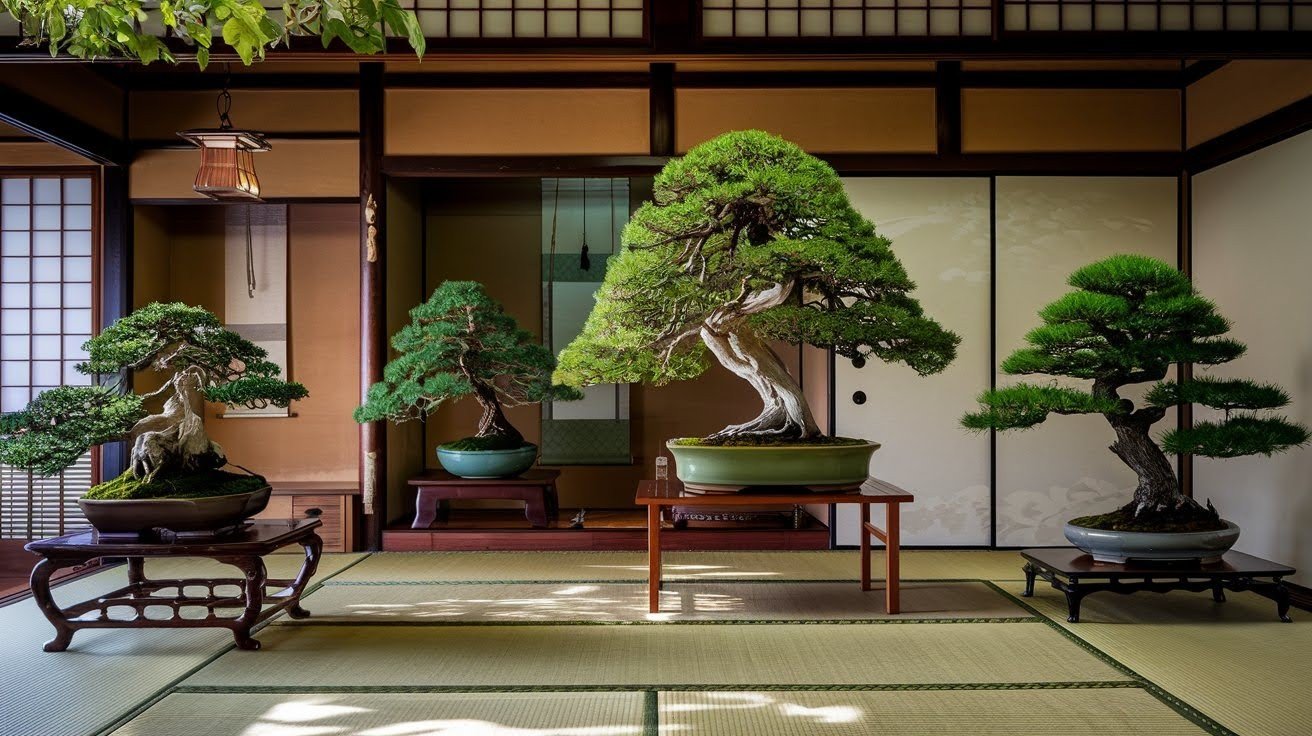
Katade-mochi or Chuhin trees stand 10 to 18 inches. You need two hands to lift these safely. They’re great for indoor displays.
Kifu Sho bonsai range from 8 to 16 inches. These medium-sized trees work in many settings. They’re easier to care for than miniatures.
Chu, Chiu, or Chumono trees measure 16 to 36 inches. These medium-large bonsai need two hands to move. They make impressive table centerpieces.
Large Bonsai (30 to 80 Inches / 76 to 203 cm)
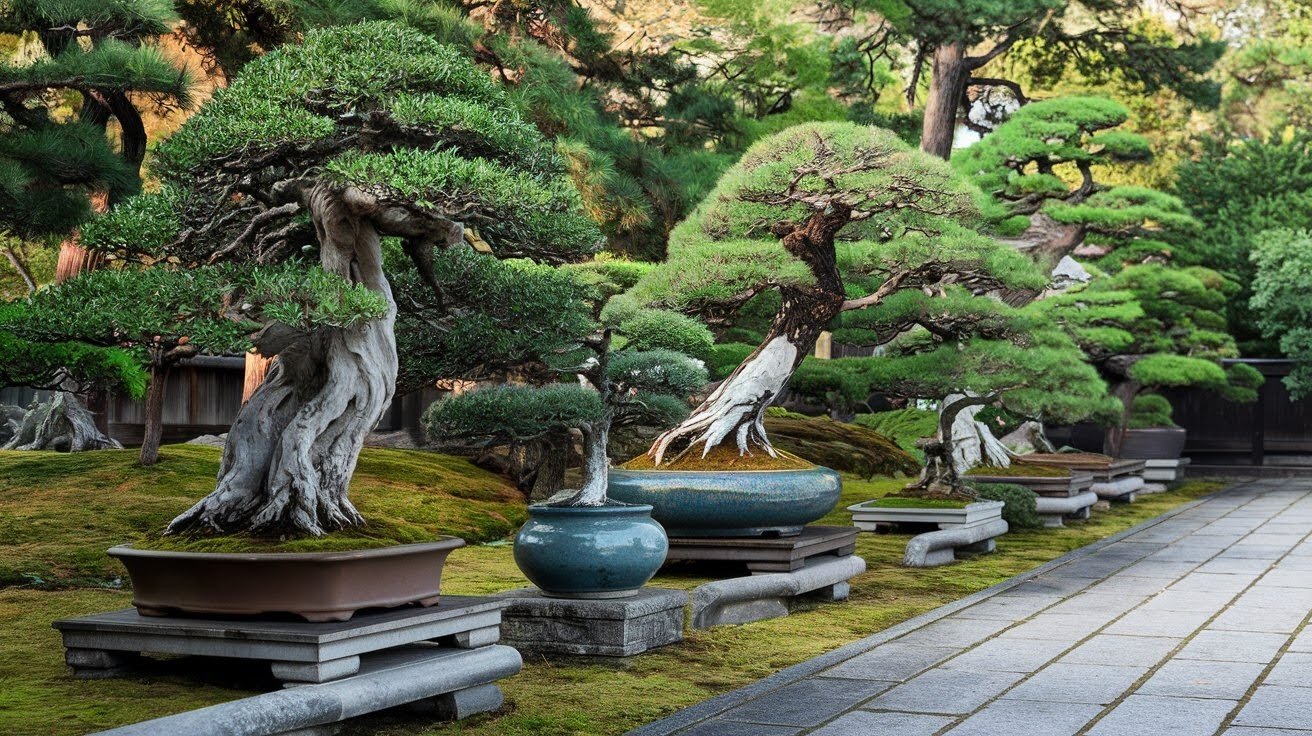
Dai or Omono bonsai reach 30 to 48 inches tall. Four people can carry these trees. They usually live outdoors in gardens.
Hachi-uye specimens grow 40 to 60 inches. Six people need to work together to move them. These are majestic trees with thick trunks.
Imperial bonsai are the largest at 60 to 80 inches. Eight people lift these massive trees. They’re rare and highly prized in collections.
Popular Bonsai Species and Their Potential Sizes

Different tree species grow to different maximum sizes. Choosing the right species helps you get the size you want.
Deciduous Trees
Japanese Maple, Chinese Elm, and Wisteria are popular deciduous choices. Japanese Maple stays compact and shows brilliant colors.
Chinese Elm adapts well to indoor life and stays medium-sized. Wisteria creates beautiful flowering bonsai in medium sizes.
Broadleaf Evergreens
Ficus, Dwarf Jade, and Cotoneaster keep their leaves year-round. Ficus trees are common indoor bonsai that stay small to medium.
Dwarf Jade works perfectly for miniature bonsai. Cotoneaster produces tiny leaves and berries in compact forms.
Conifers
Juniper, Japanese Black Pine, and Redwood are classic choices. Juniper bonsai range from tiny to very large sizes.
Japanese Black Pine develops character quickly in medium to large sizes. Redwood can grow into massive Imperial-sized specimens outdoors.
Succulents and Cacti
Desert Rose and other succulents offer unique options. They create thick trunks in small spaces. These work well for low-maintenance small bonsai.
The species you select should match your space and care ability.
Tips for Controlling Bonsai Size
- Use shallow pots for the best size control. Shallow pots naturally restrict growth and keep trees compact.
- Prune regularly throughout the growing season. I trim new shoots every 2 to 3 weeks to maintain the shape I want.
- Trim roots and report every 2 to 3 years. Root pruning stops the tree from growing too large. Fresh soil keeps your tree healthy at its current size.
- Choose your species carefully based on your size goals. Some trees naturally stay small while others want to grow tall.
- Consider your location when planning size. Indoor bonsai stay smaller because of limited light. Outdoor trees grow bigger naturally.
Choosing the Right Bonsai Size for Your Space
Matching your bonsai to your space makes care easier. Let me help you pick the perfect size.
Indoor placement works best with smaller bonsai. Tables and shelves support trees up to 18 inches easily.
Miniature bonsai from 2 to 10 inches work perfectly for shelf arrangements. Larger trees need floor space and get heavy quickly.
Outdoor locations can handle bigger specimens. Garden displays look great with large 30 to 60-inch trees. Make sure you can still reach all parts for maintenance.
Match species to available sunlight in your space. South-facing windows support more species. North-facing areas need shade-loving trees that stay smaller.
Care routines change with tree size. Smaller trees need daily watering and frequent attention. Larger trees require less frequent but more time-consuming care.
Think about your long-term commitment when choosing size.
Conclusion
I’ve learned that bonsai size is totally up to you. These living artworks range from 1-inch miniatures to 6-foot giants. The size you want depends on your space, time, and commitment level.
I started with a small Shohin-sized Ficus. It taught me the basics without overwhelming my schedule. Now I have three different sizes, and each one brings me joy.
Start with the size that fits your life right now. You can always add more later.
Which size bonsai will you try first? Drop a comment below and share your plans.
Frequently Asked Questions
How tall can a bonsai tree actually grow?
Bonsai trees can grow from 1 inch to over 80 inches tall. With proper pruning and root control, you decide the maximum height.
What is the average size of a bonsai tree?
Most bonsai trees range from 10 to 18 inches tall. This medium size fits well on tables and is easier to maintain.
Can I keep a bonsai tree small forever?
Yes, you can keep a bonsai at your chosen size indefinitely. Regular pruning and shallow pots prevent unwanted growth over the years.
Do indoor bonsai stay smaller than outdoor ones?
Indoor bonsai typically stay smaller because they get less natural light. Outdoor bonsai can reach their maximum potential size with proper conditions.
Which bonsai species stays the smallest naturally?
Dwarf Jade and small-leafed Ficus species stay compact naturally. Japanese Maple and Juniper also work well for miniature bonsai.


