


Your basement probably feels cold and unwelcoming right now. You walk down there and notice how dark and lifeless it seems. The lack of windows makes you want to leave quickly.
But you can change that. The right plants will transform your basement into a space you actually enjoy.
Your basement has challenging conditions. It gets little sunlight, stays humid, and remains cooler than upstairs. You might think nothing will grow there.
Here’s the good news. Some plants love these exact conditions. They’ll survive and actually thrive in your basement. These green companions will brighten your space, clean your air, and lift your mood.
What Makes a Good Basement Plant?
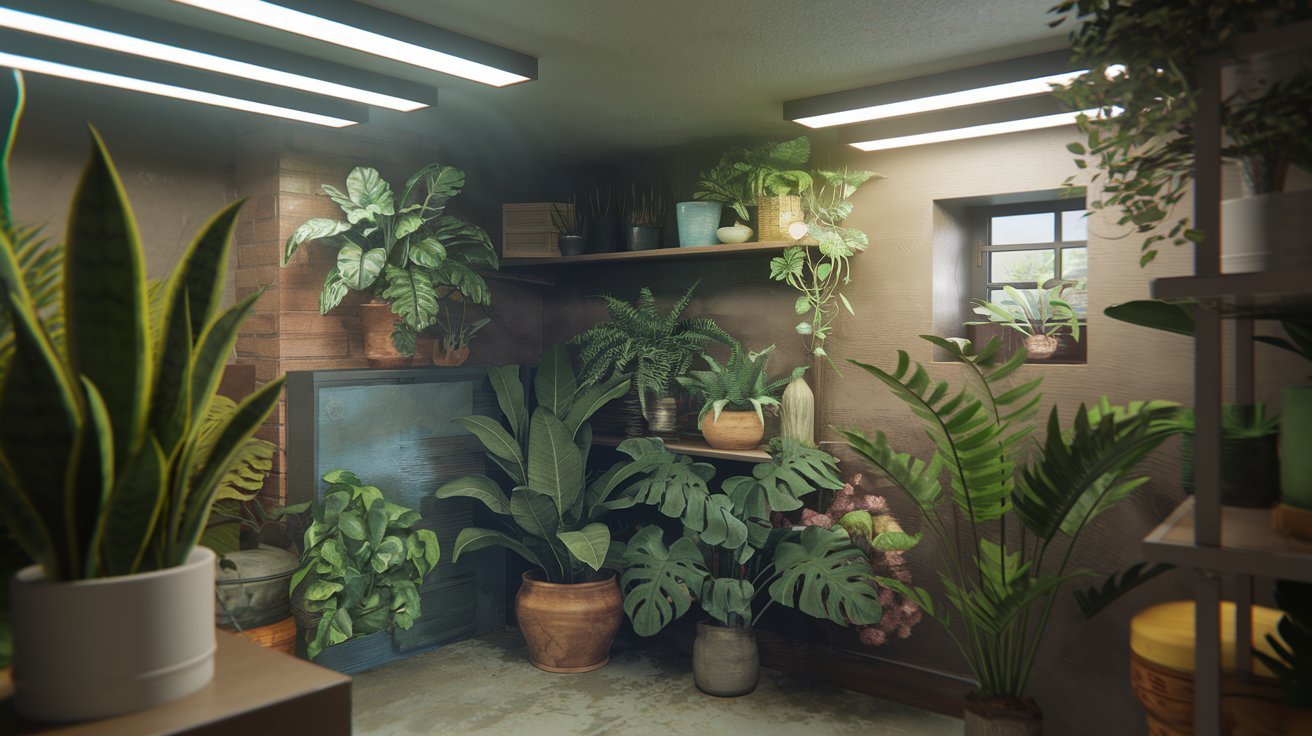
Not all plants need bright sunshine to survive. Some varieties have adapted to grow in shade and can make food from minimal light sources.
Fluorescent bulbs or LED lights work well for these species. Basements have their own climate with damp air and shifting temperatures.
The right plants actually enjoy the extra moisture and handle these conditions without developing mold or rot.
Life gets busy, so you need hardy varieties that survive with less frequent watering. These tough plants forgive you if you forget to water them for a week or two and grow steadily without complicated care routines.
List of 13 Best Plants for Basements
These plants handle low light and high humidity perfectly. They bring life to your basement with minimal effort required.
1. Snake Plant (Sansevieria)
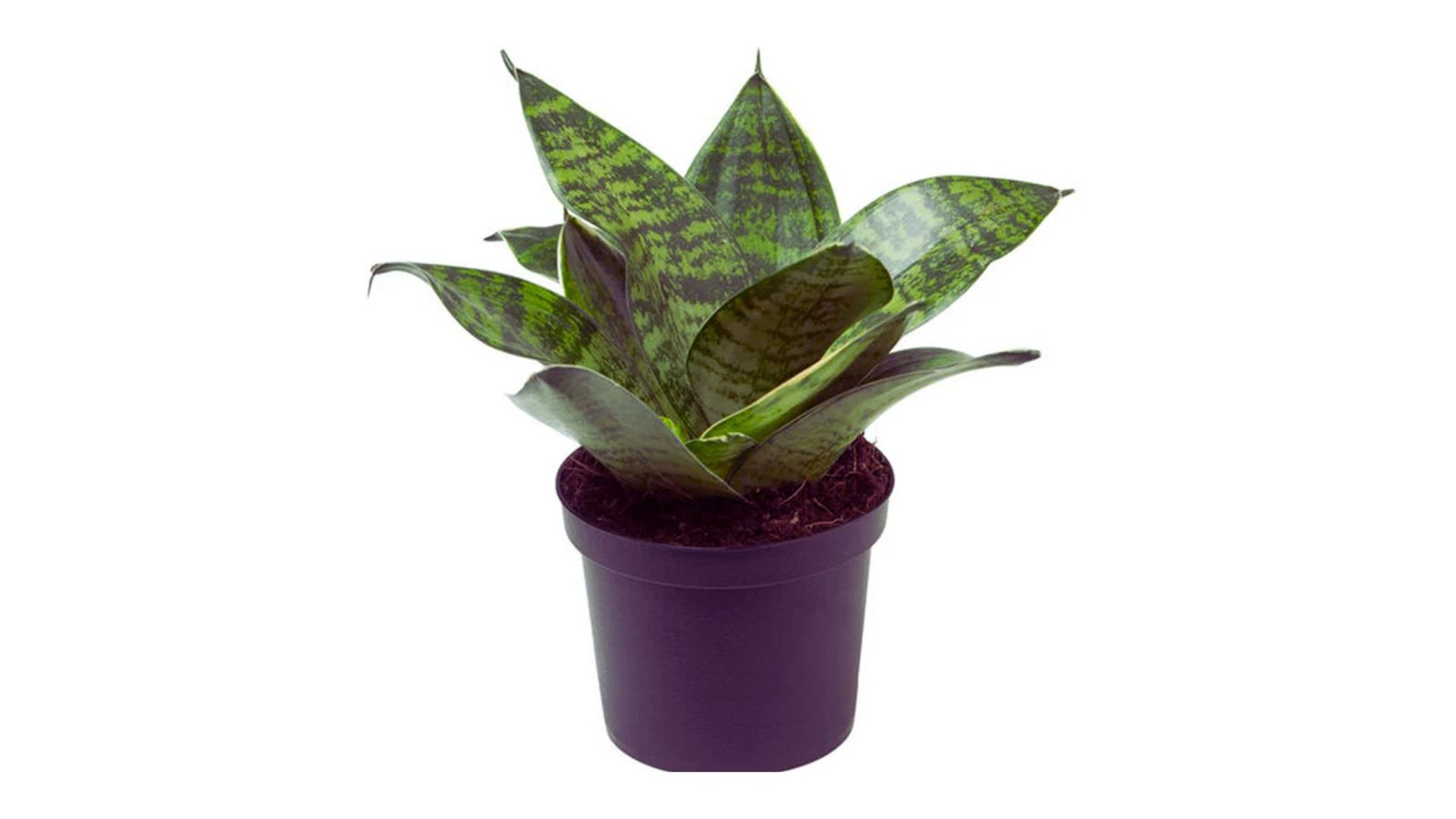
This plant ranks among the toughest houseplants you can own. It handles low light better than most other varieties.
The snake plant cleans the air while asking for almost nothing in return. You can forget to water it for weeks and it will still look healthy and green.
2. ZZ Plant (Zamioculcas zamiifolia)
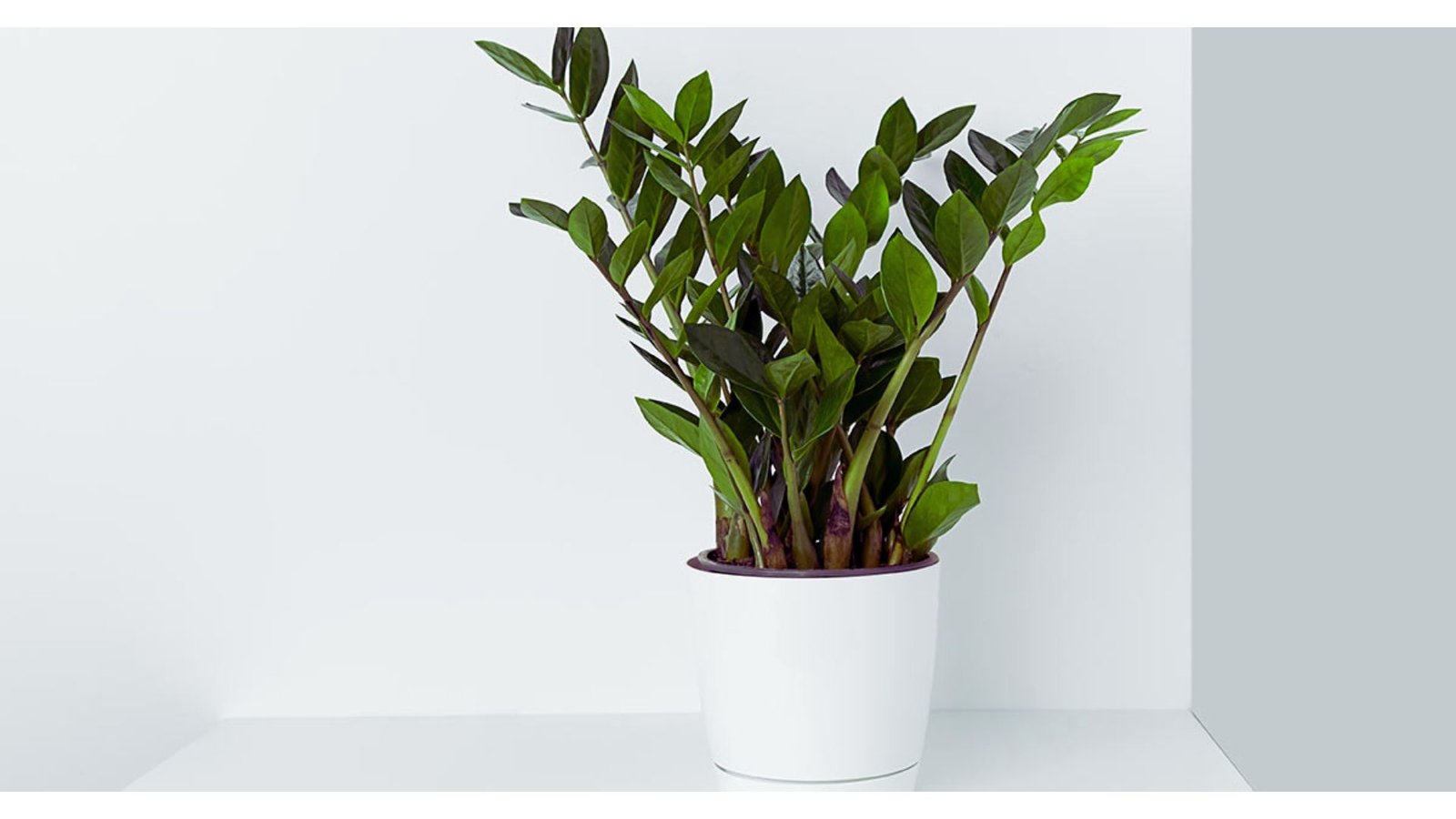
The ZZ plant grows happily under fluorescent lights. It stores water in its thick roots and stems. You only need to water it once every few weeks.
This makes it perfect for people who travel often or have busy schedules. Its glossy leaves stay attractive year-round.
Pothos (Devil’s Ivy)
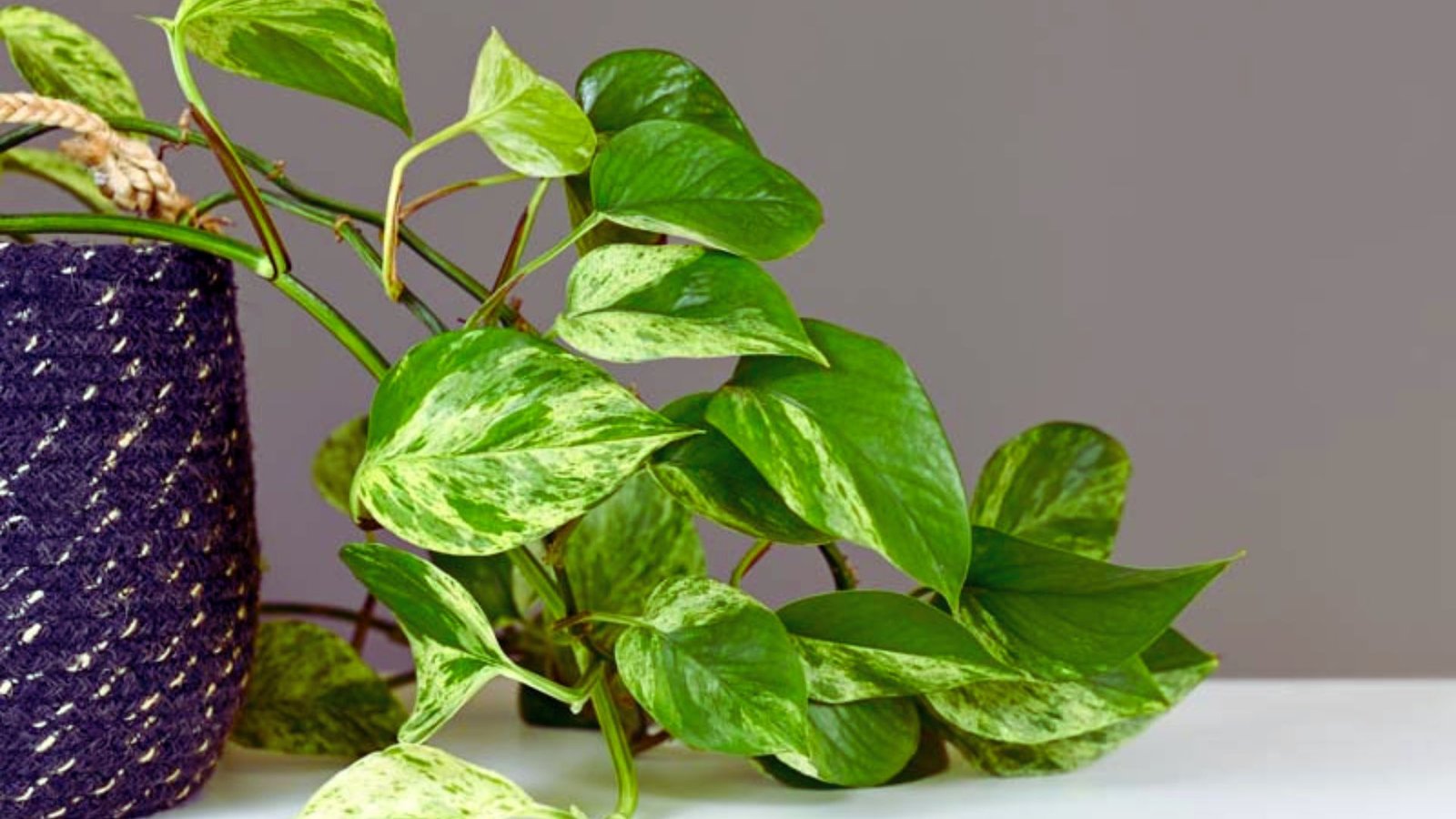
Pothos creates beautiful cascading vines from shelves or hanging containers. It handles low to medium light without any complaints.
The plant is incredibly easy to multiply. Just cut a stem and place it in water. Roots will form within days, giving you new plants for free.
4. Spider Plant (Chlorophytum comosum)
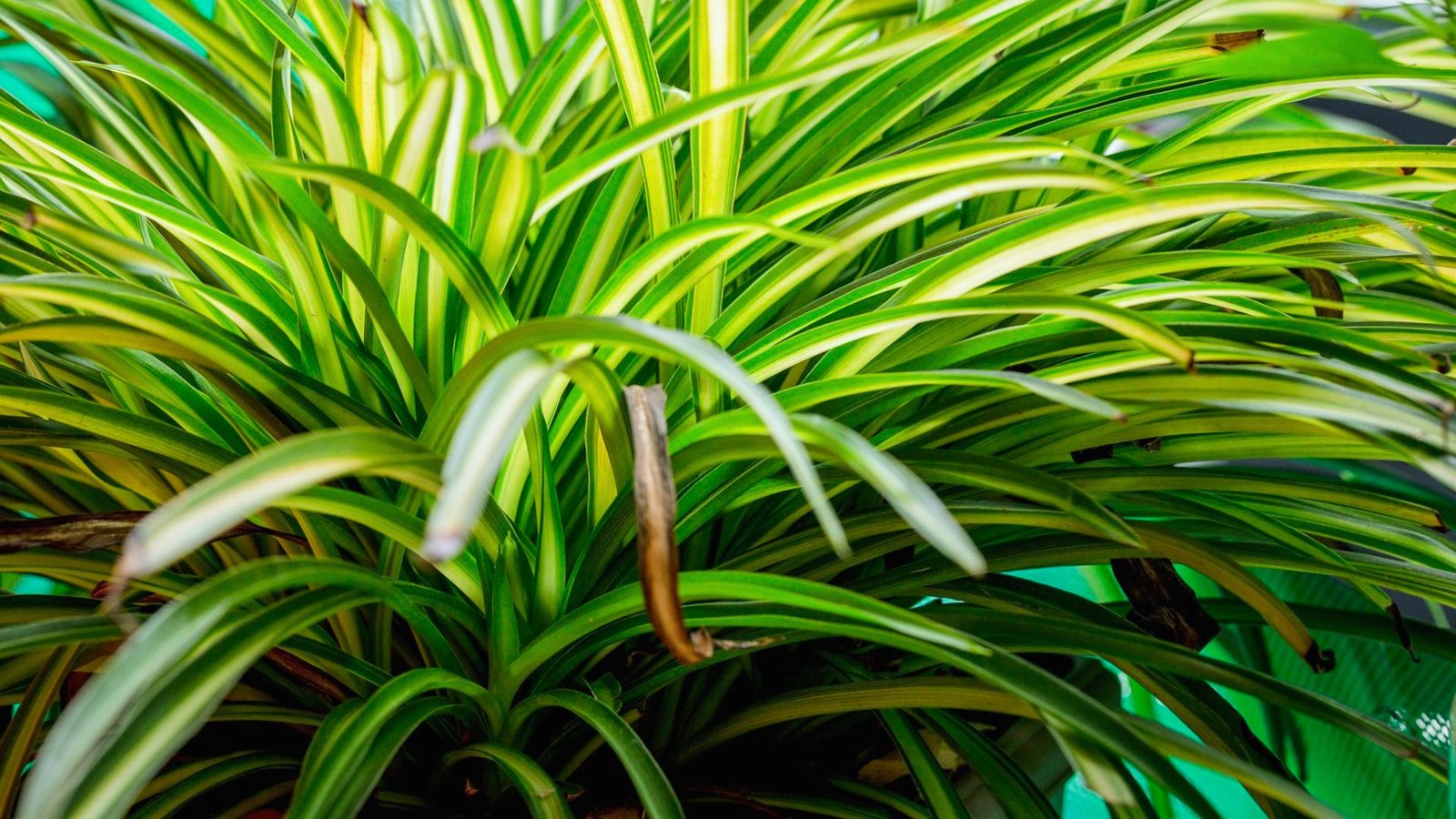
Beginners love this plant for good reason. It tolerates shade and forgives missed waterings. The spider plant produces small plantlets that dangle from the mother plant.
You can snip these babies off and pot them separately. Soon you’ll have multiple plants from just one original.
5. Peace Lily (Spathiphyllum)
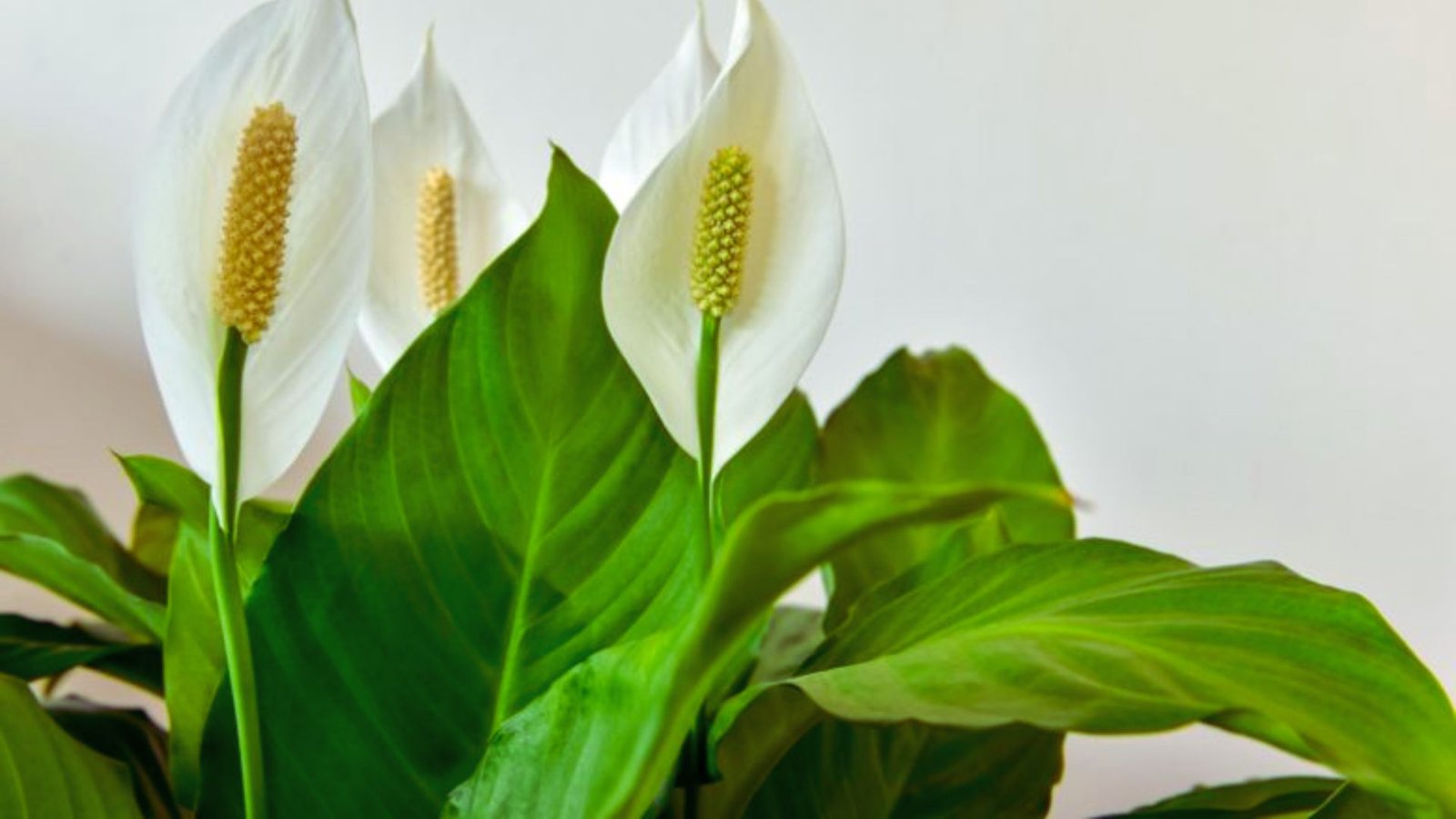
Peace lilies grow well in dim corners where other plants fail. They clean toxins from the air effectively. The white blooms add a nice touch to dark spaces.
Keep this plant away from cats and dogs though. The leaves can cause stomach upset if pets chew them.
6. Aglaonema (Chinese Evergreen)
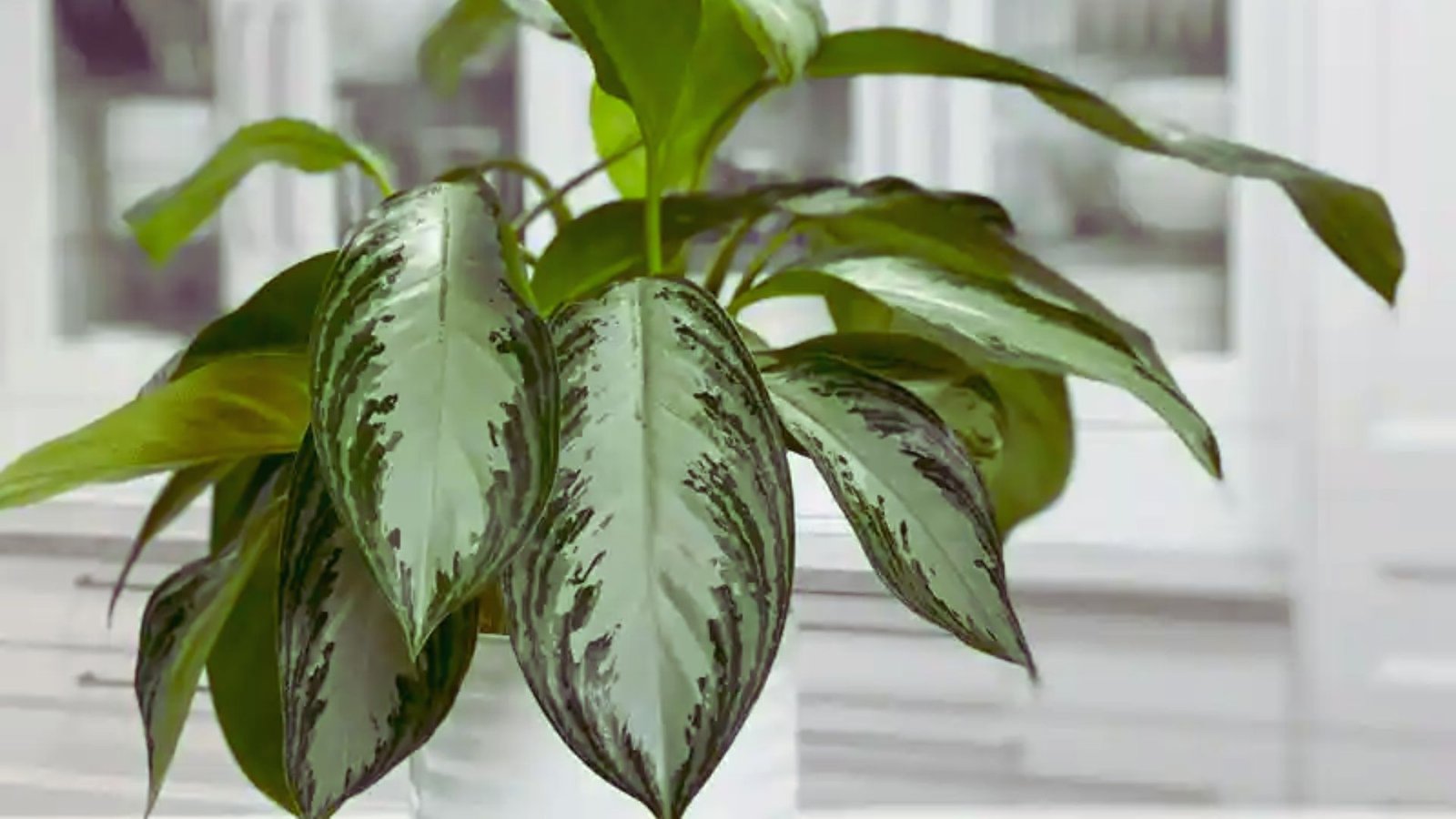
This plant loves shady, humid conditions that basements naturally provide. The variegated leaves come in different patterns and colors.
Some varieties show pink, red, or silver markings. Aglaonema grows slowly and steadily. It rarely needs repotting and handles neglect better than most houseplants.
7. Dracaena
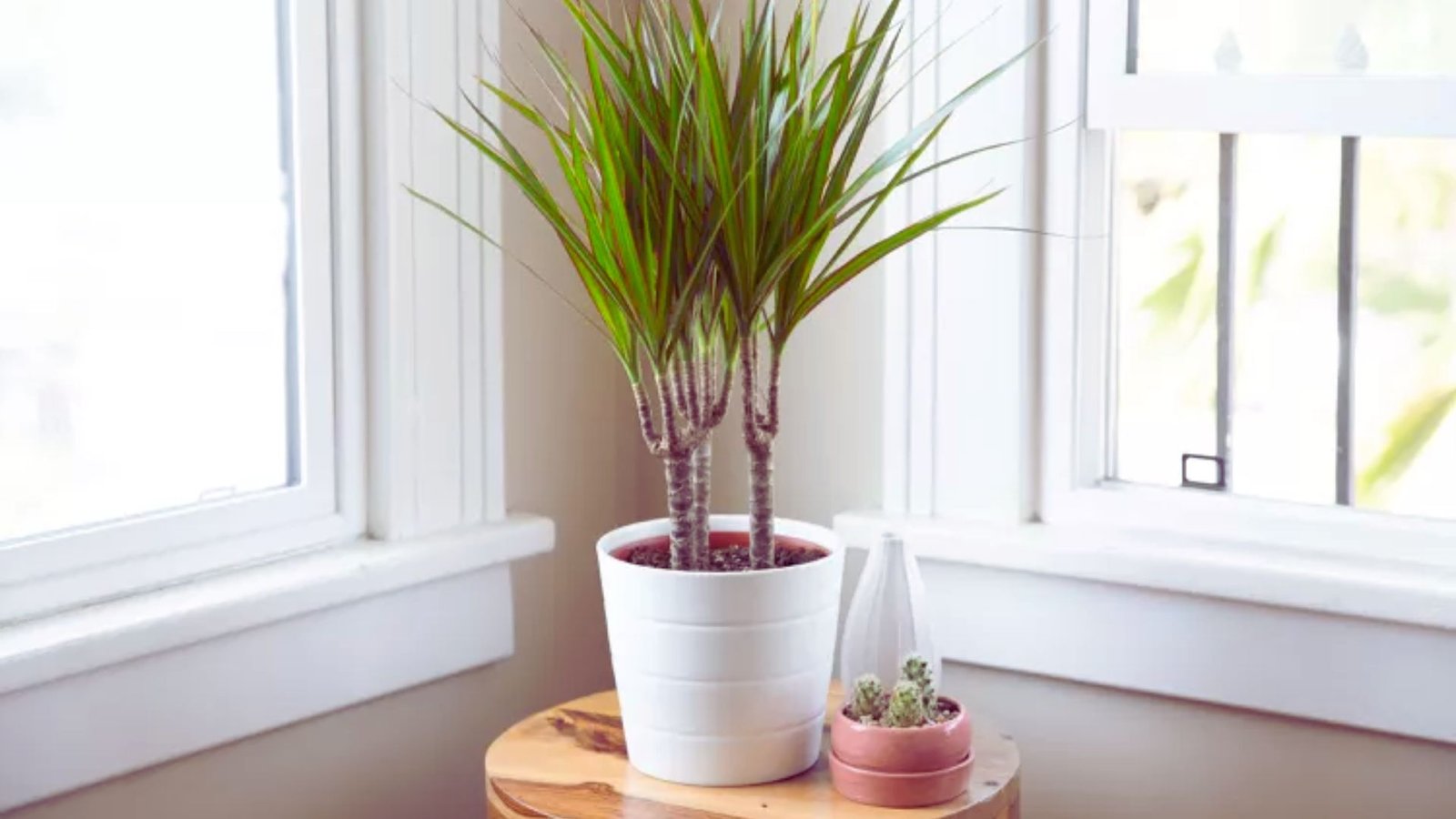
Dracaena adapts quickly to artificial lighting. It actually prefers the humidity that basements offer. Mist the leaves every few days to keep them fresh.
The plant comes in many varieties with different leaf shapes. Some grow tall while others stay compact, fitting various space requirements.
8. Boston Fern (Nephrolepis exaltata)

Boston ferns love moisture and filtered light. They thrive in the naturally humid air of basements. Mist the fronds regularly to prevent them from drying out.
The plant creates a lush, full appearance. Its feathery leaves soften harsh corners and add a natural feel to concrete spaces.
9. Tradescantia (Wandering Jew)

This plant adds striking purple or green colors to your basement. It grows quickly and fills spaces fast. Tradescantia is incredibly easy to propagate.
Simply cut a piece and stick it in soil or water. The cuttings root within days, making it simple to share with friends.
10. Parlor Palm (Chamaedorea elegans)
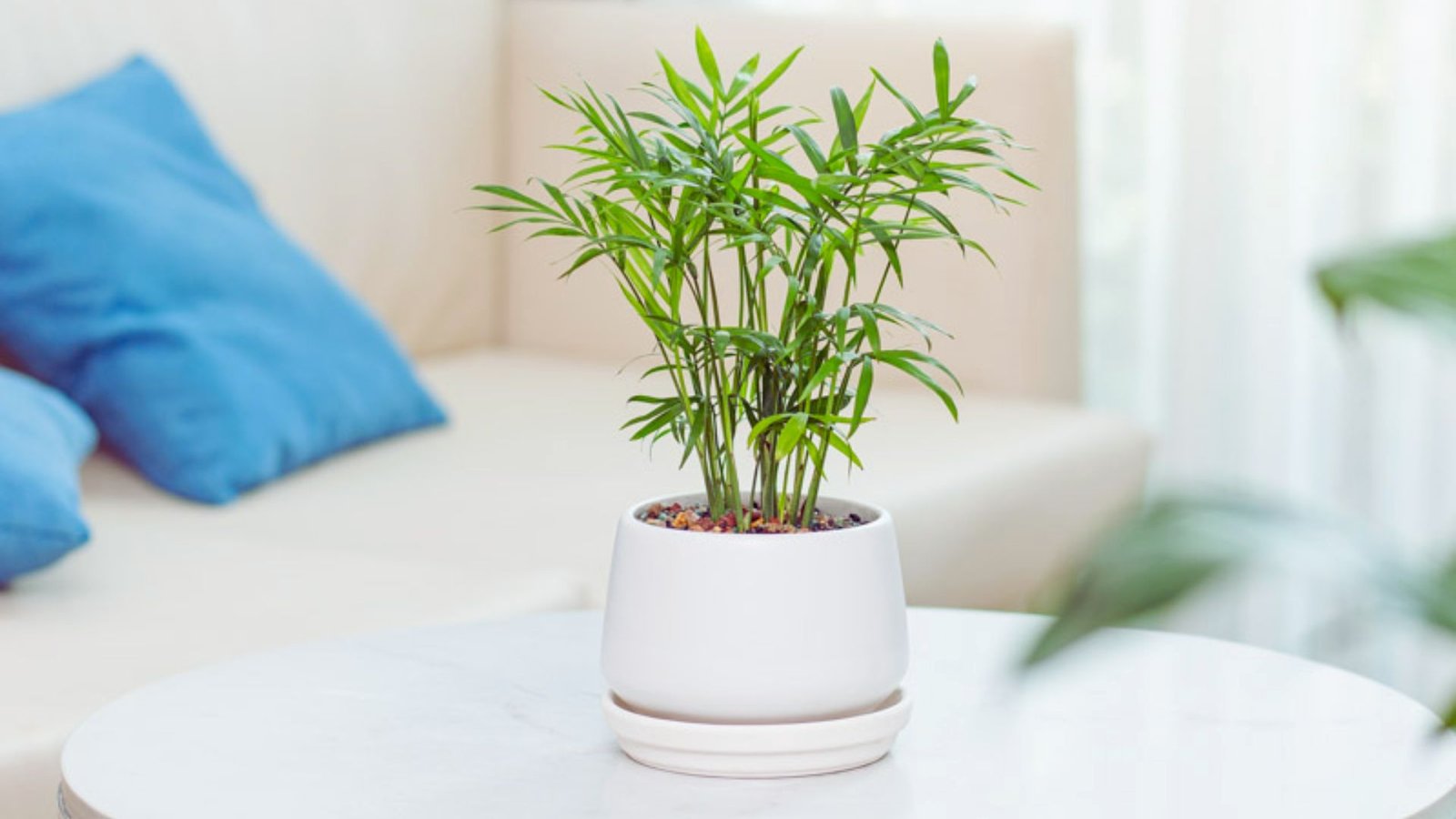
The parlor palm brings tropical vibes to small basement spaces. It grows well in low light with moderate humidity. This palm stays relatively compact, rarely exceeding four feet indoors.
Water it when the top inch of soil feels dry. The feathery fronds create a relaxing, vacation-like atmosphere.
11. Dieffenbachia (Dumb Cane)
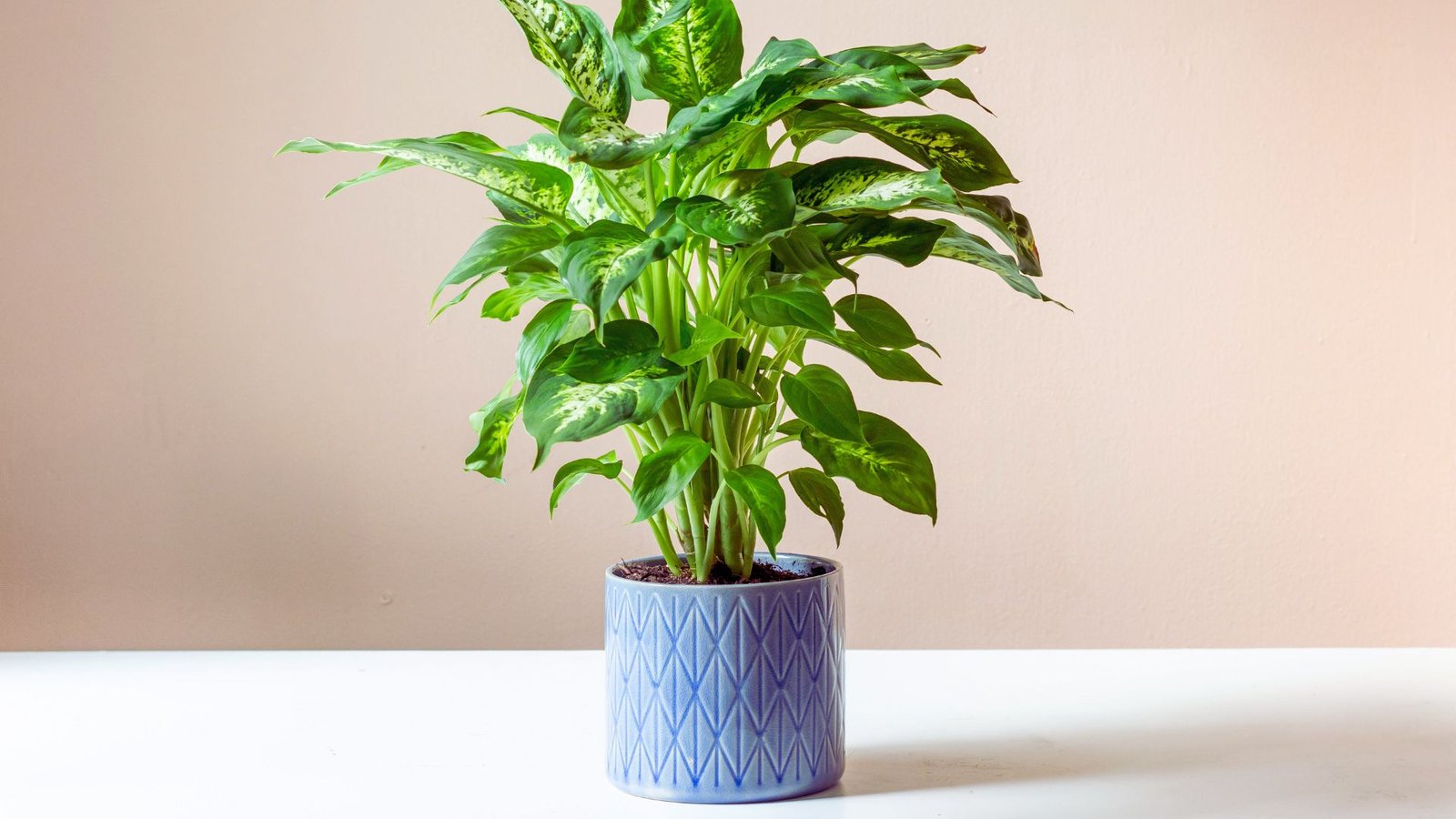
People choose this plant for its beautiful patterned leaves. The white and green markings add visual interest to plain walls.
Dieffenbachia does well in indirect or filtered light. Water it regularly but let the soil dry slightly between waterings. Note that the sap can irritate skin and mouths.
12. Cast Iron Plant (Aspidistra elatior)

This plant earned its name honestly. It’s nearly impossible to kill. The cast iron plant thrives in dark, cool areas that would stress other plants.
It needs very little water and almost no attention. Dust the leaves occasionally to help them absorb available light more efficiently.
13. Philodendron
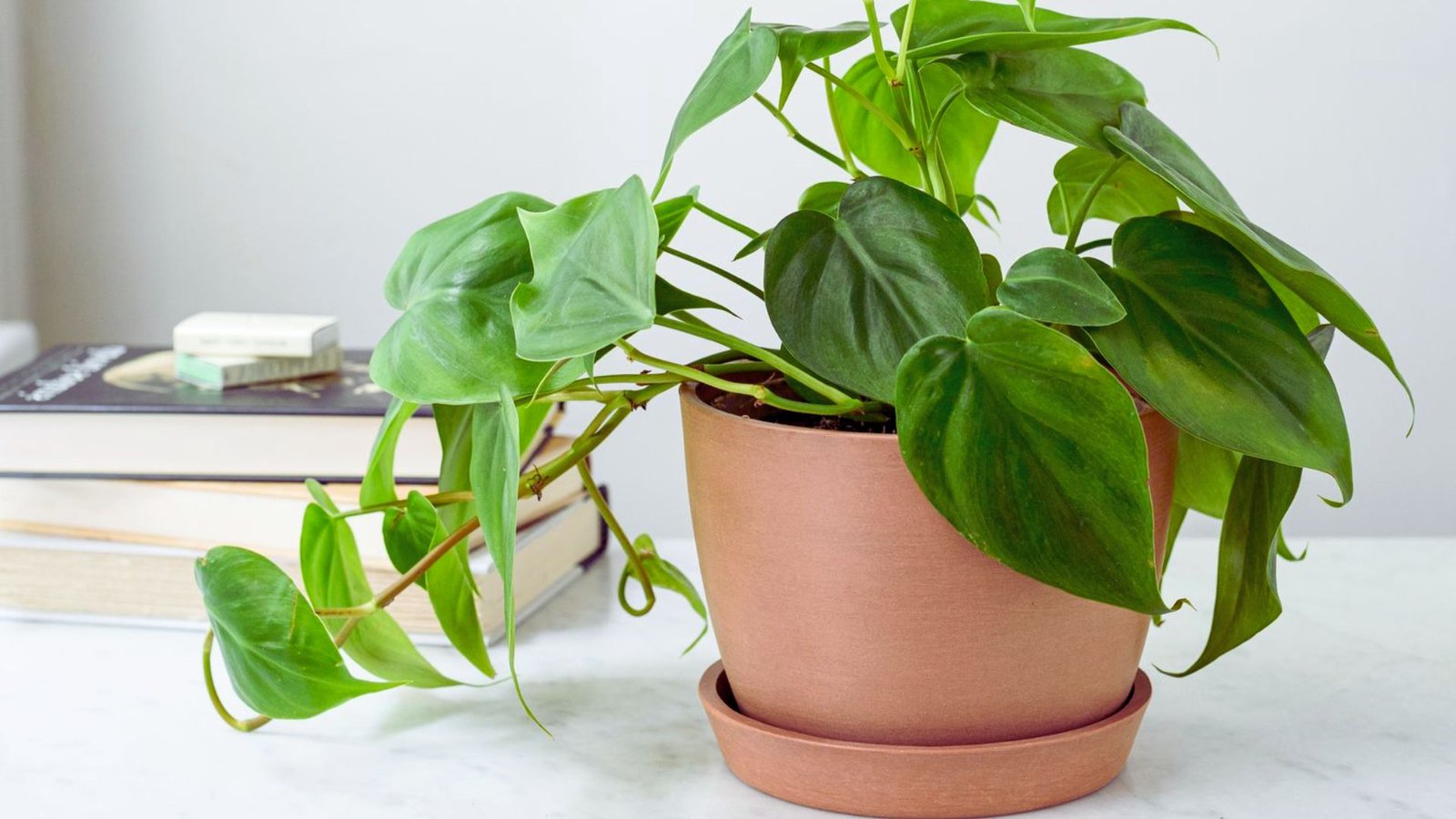
Philodendrons grow beautifully under artificial lights. They require minimal care and adapt to various conditions. These plants work well in hanging baskets or regular pots.
Their heart-shaped leaves create a friendly, welcoming appearance. Water when the soil feels dry and they’ll reward you with steady growth.
How to Care for Basement Plants
Your basement plants need some basic care to stay healthy. These simple tips will keep them growing strong.
- Add LED grow bulbs about 12 to 18 inches above your plants. Run them for 10 to 12 hours daily to mimic natural daylight cycles.
- Check the soil with your finger before watering. Only add water when the top two inches feel dry since the basement soil stays damp longer.
- Always use pots with drainage holes at the bottom. Pair them with saucers and use quality indoor potting mix instead of garden soil.
- Use a small humidifier to maintain consistent moisture levels in the air. You can also mist your plants weekly or group them together.
- Turn your pots a quarter turn every few weeks for even light exposure. This prevents lopsided growth and keeps plants looking full and balanced.
- Clean dust off leaves regularly to help them absorb available light. Trim any dead or yellowing leaves to keep plants healthy and attractive.
Conclusion
Your basement doesn’t have to feel cold and empty anymore. The right plants can bring it to life. You now know which varieties handle low light and high humidity with ease.
Start with one or two plants that caught your attention. Try mixing trailing vines with upright varieties. Add a tropical palm for extra character.
These hardy houseplants won’t let you down. They adapt to your space and forgive your mistakes.
Give them a try and watch your basement change into a green retreat you’ll actually want to spend time in.
Frequently Asked Questions
Can plants really survive in a basement with no windows?
Yes, many plants can survive without natural light. Use LED grow lights for 10 to 12 hours daily to provide the light they need.
How often should I water plants in my basement?
Water less frequently than you would upstairs. Check the soil and only water when the top two inches feel dry to the touch.
Do basement plants need special fertilizer?
Most basement plants grow slowly and need minimal feeding. Apply a balanced liquid fertilizer once every two to three months during the growing season.
Will mold grow on my basement plants?
Mold grows when air circulation is poor and soil stays too wet. Use well-draining pots and run a small fan occasionally to keep air moving.
What’s the easiest basement plant for beginners?
Snake plants and ZZ plants are the most forgiving options. They handle neglect well and survive in very low light conditions without complaint.


