


I get it. Your yard looks messy and winter is coming fast. You’re asking yourself: can you trim evergreen bushes in the fall? I’ve asked the same question while staring at my own overgrown shrubs.
Here’s the truth: fall trimming usually does more harm than good. But don’t worry. I’ll show you exactly when to prune for healthy plants.
You’ll learn the safest seasons for cutting, which situations allow fall trimming, and the right techniques to use.
I’ll also explain what goes wrong with late-season cuts so you can avoid costly mistakes.
Understanding Evergreen Bush Growth Cycles

Evergreens follow a predictable rhythm throughout the year. Most growth happens in spring and early summer when fresh shoots appear and temperatures warm up. These new branches stay soft for several weeks before hardening off by mid to late summer.
As fall approaches, your evergreens stop producing new growth and start storing energy in their roots and branches. This energy reserve helps them survive freezing temperatures and harsh winter conditions.
Fall and winter bring very little growth activity as plants enter dormancy. Timing matters because pruning during active growth gives your plant time to heal. When you cut in spring or early summer, the plant quickly seals wounds and sprouts new buds.
Cutting late in the season leaves open wounds that can’t heal properly before winter arrives.
Why Fall Isn’t the Ideal Time to Trim Evergreens
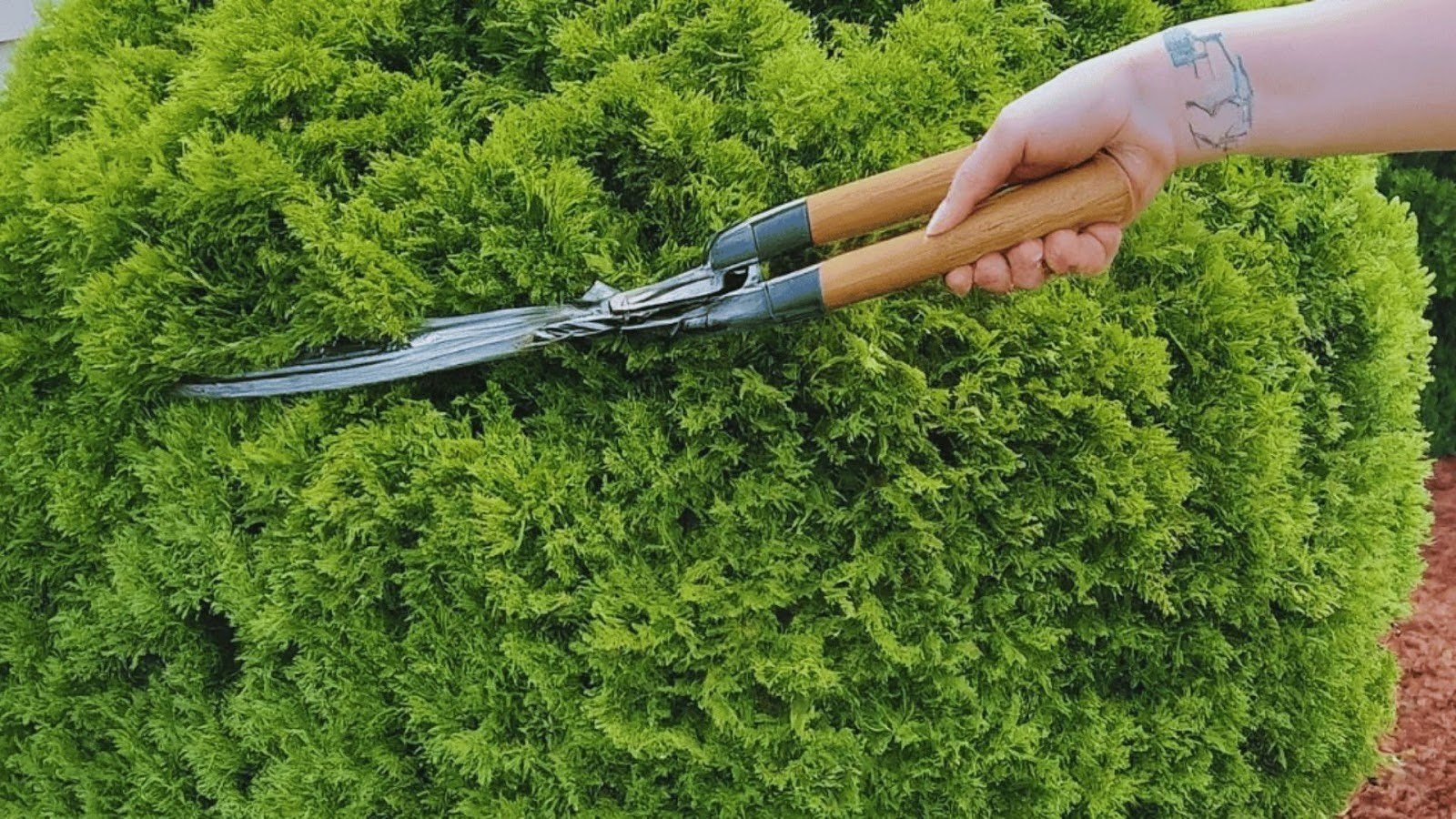
Fall creates the worst possible conditions for pruning evergreens. Here’s what goes wrong when you trim too late in the season.
Fall Pruning Stimulates New Growth Too Late
Cutting your evergreens in fall tricks them into producing fresh shoots. These tender new branches appear just as cold weather arrives. They don’t have time to toughen up before the first frost hits.
Soft tissue freezes easily and dies back. You end up with brown, damaged growth that looks worse than before you pruned. The plant wastes precious energy on growth it can’t protect.
Risks of Cold Damage After Fall Pruning
Every cut you make creates an open wound on your plant. These cuts need time to call us over and seal. When you prune in fall, freezing temperatures hit before healing happens.
Ice crystals form inside the exposed tissue and cause splitting. The damage spreads beyond just the cut area. Entire branches can die back from frost penetration through fresh wounds.
Increased Disease and Moisture Risks in Wet Weather
Fall brings rain, fog, and dampness that lasts for hours or days. Wet conditions are perfect for fungal spores and bacteria. Your pruning cuts provide easy entry points for these diseases.
Pathogens thrive in the cool, moist fall environment. Once infection takes hold, it spreads through the plant over winter when the evergreen can’t fight back effectively.
When You Should Trim Evergreen Bushes Instead
Smart timing makes all the difference for healthy pruning. Here’s when your evergreens can handle trimming best.
Best Seasons for Pruning (Late Winter to Early Spring)
Late winter gives you the perfect pruning window. Your plants are fully dormant and not wasting energy on growth. Cuts made now will heal quickly once spring arrives.
I always aim for late February or early March in my zone. The plant experiences minimal stress because it’s still resting. When warm weather returns, new growth covers any bare spots you created.
Light Shaping and Maintenance in Mid-Summer
Mid-summer works well for light trimming and shape maintenance. By July, your evergreen’s new spring growth has hardened off completely. You can safely remove small amounts without risking damage.
This timing lets you refine the shape while the plant still has growing season left. Just avoid heavy pruning during this period.
Avoiding Late-Season Cuts Before Frost
Stop all pruning at least six to eight weeks before your first expected frost. This gives any accidental new growth time to harden. Mark your calendar based on your local frost dates.
In most regions, this means no pruning after early September. The exact cutoff depends on your climate zone.
When Fall Pruning Is Acceptable
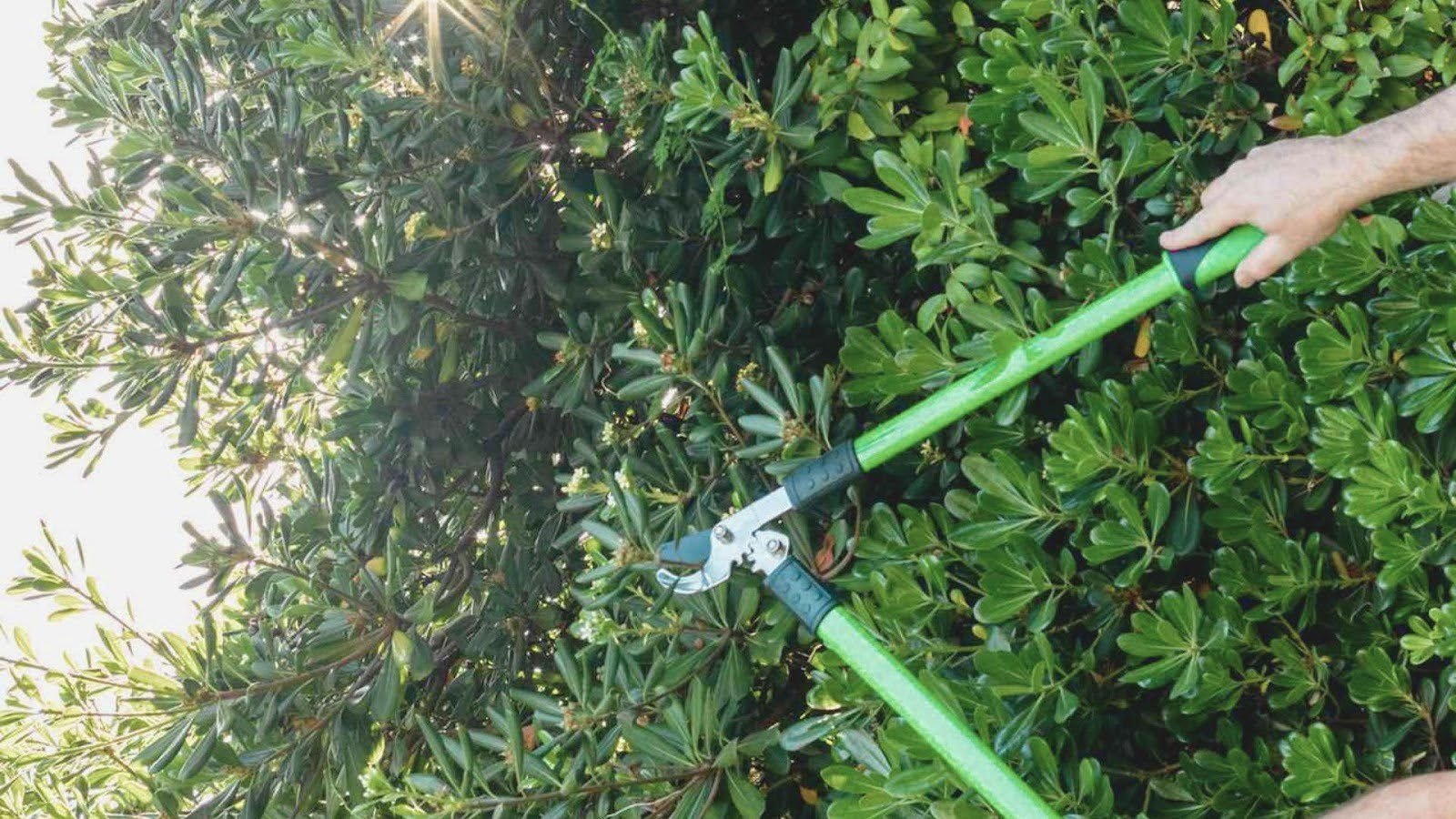
Sometimes you need to break the rules. Dead or diseased wood should come off immediately, regardless of season. Leaving it spreads infection and creates bigger problems.
Safety hazards also require immediate action. If a branch threatens your roof, walkway, or power lines, trim it now. Light corrective cuts won’t harm your plant.
But avoid taking off more than 10% of the total foliage. Save heavy pruning and major reshaping for late winter.
Proper Pruning Techniques for Healthy Evergreens
Good technique matters as much as good timing. Here are five key practices for healthy pruning:
- Use sharp, clean tools. Bypass pruners work for branches under three-quarters of an inch, loppers for up to two inches, and pruning saws for anything larger. Sharp blades create clean cuts that heal quickly.
- Sanitize between cuts. Keep diluted bleach solution or rubbing alcohol nearby. Dip your blades after each cut on diseased wood to prevent spreading infection to healthy parts.
- Cut back to lateral branches or buds. Never leave stubs. They die back and look ugly while inviting disease. Make your cuts just above a bud or where a branch meets another branch.
- Work with the plant’s natural shape. Step back often to check your progress. Remove small amounts at a time and follow the existing form rather than forcing an unnatural shape.
- Remove only what’s necessary. Less is more when it comes to pruning. Take off damaged or crossing branches first, then shape lightly if needed.
Conclusion
So, can you trim evergreen bushes in the fall? I’ve made this mistake myself and watched my plants struggle through winter. The short answer is no, unless it’s an emergency.
Stick to late winter or early spring for major trimming. Your evergreens will reward you with strong, healthy growth.
If you’re unsure about your yard, a certified arborist can help. What’s your biggest pruning challenge?
Drop a comment below and let’s figure it out together.
Frequently Asked Questions
Can I trim evergreens in November?
No, November is too late for pruning. New growth won’t harden before frost arrives.
What happens if I prune evergreens in October?
October pruning stimulates tender shoots that freeze and die. You’ll see brown, damaged growth by spring.
How late can you safely prune evergreen bushes?
Stop pruning six to eight weeks before your first expected frost date. This gives plants time to heal.
Should I remove dead branches from evergreens in fall?
Yes, dead or diseased branches can come off anytime. They pose risks to healthy parts of the plant.
What’s the best month to trim evergreen shrubs?
Late February through early March works best. Plants are dormant but will grow vigorously in spring.


