


Do all maple trees produce syrup? I asked myself this same question when I first got curious about syrup making. The short answer is yes, but here’s the truth, not every maple is worth your time.
In this guide, I’ll show you which trees make the best syrup and why. You’ll learn about sap sugar content, the best species to tap, and which maples to skip entirely.
I’ve spent years talking to producers and reading about their methods. Trust me when I say choosing the right tree saves you hours of work and frustration.
Let me walk you through everything you need to know.
Understanding How Maple Syrup Is Made
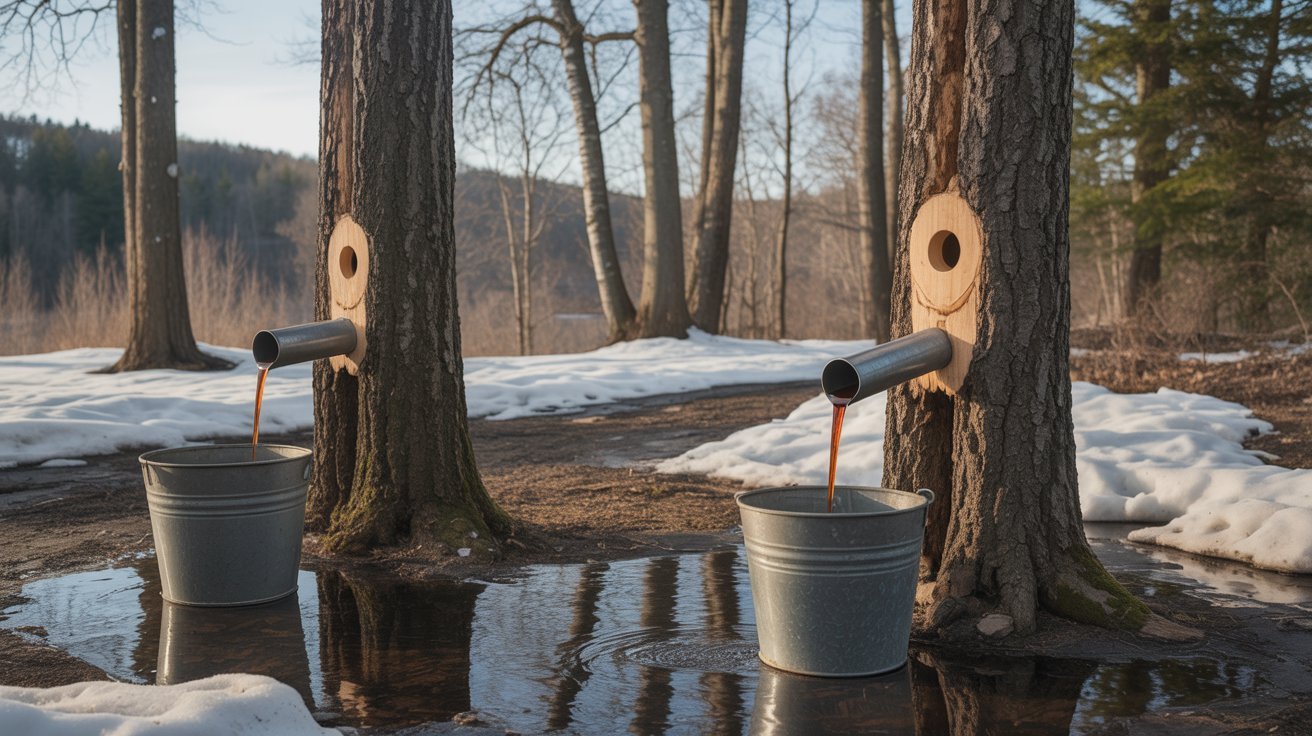
Maple syrup starts with sap from the tree. Producers drill small holes into the trunk and collect the clear, slightly sweet liquid. The sap flows when temperatures swing between freezing nights and warm days above 40°F.
Sugar content matters tremendously. You need about 40 gallons of average sap to make one gallon of finished syrup.
Trees with higher sugar levels cut that ratio down. The freeze-thaw cycle in late winter through early spring creates perfect conditions.
Northeastern United States and Canada dominate production because their climate and soil produce superior sap.
Do All Maple Trees Produce Syrup?
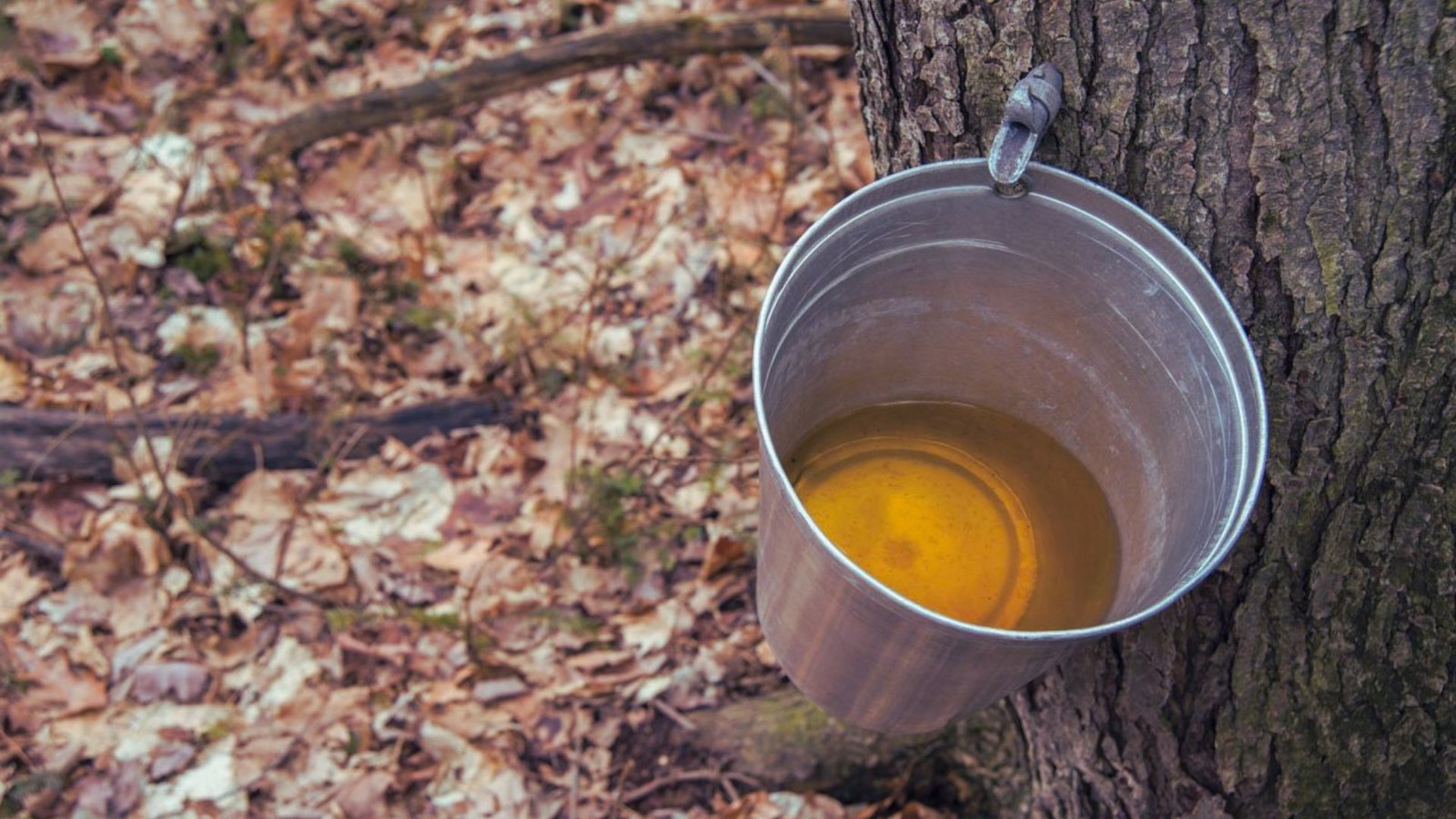
Yes, every maple tree produces sap that can become syrup. This is technically true across all maple species. Any maple can be tapped and its sap boiled down.
But here’s the catch. Not all maple sap is worth the effort. Some species produce watery sap with minimal sugar.
Others create off-flavors that make the final product disappointing. The boiling process becomes inefficient with low-sugar sap, burning more fuel for less syrup.
Quality varies dramatically between species. You could tap certain maples and spend days boiling for a tiny amount of mediocre syrup. Smart producers choose their trees carefully.
Best Maple Trees for Syrup Production
Not all maples are created equal when it comes to making syrup.
Sugar Maple (Acer saccharum)
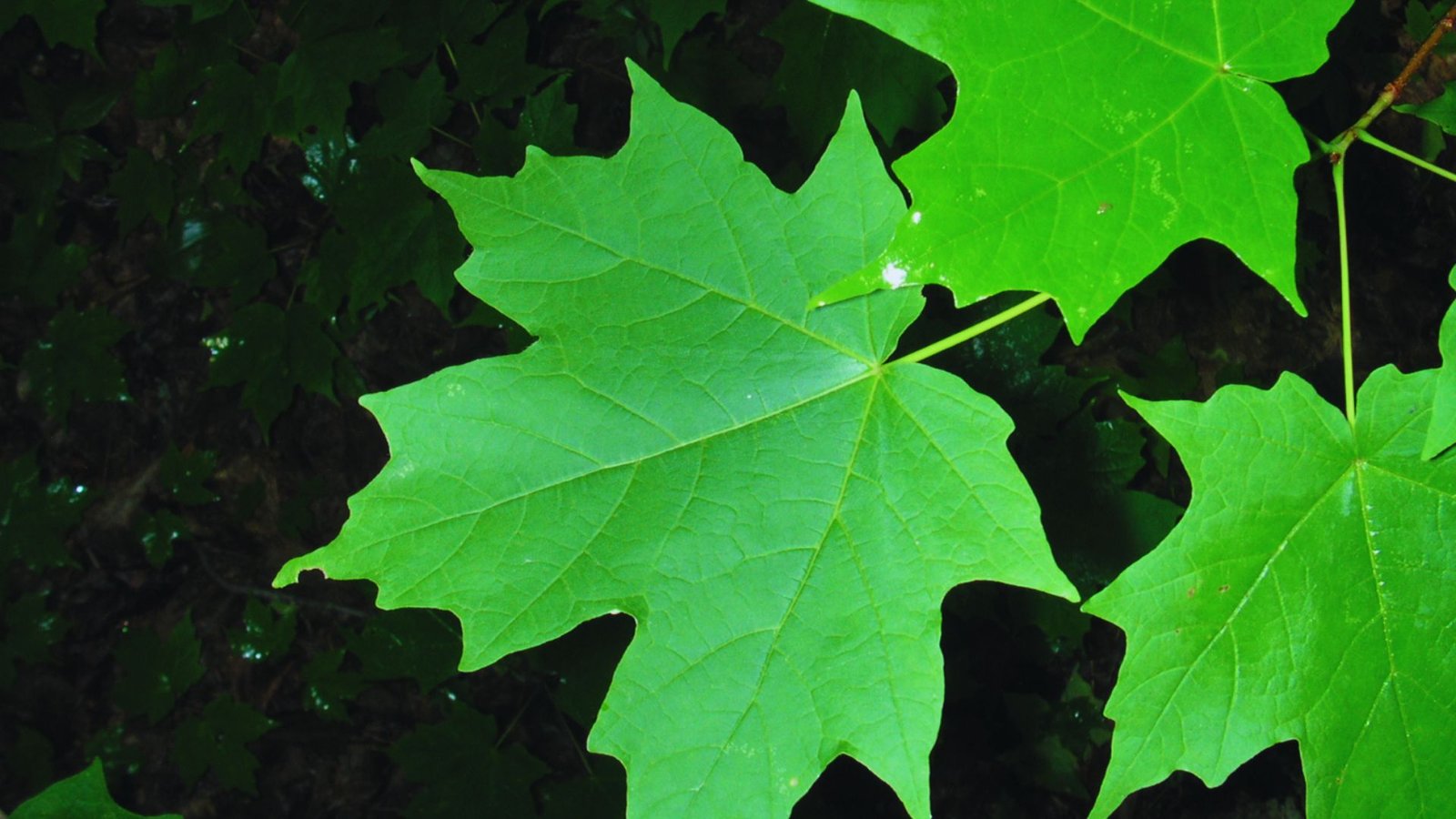
This is the gold standard. Sugar maples produce sap with 2 to 3 percent sugar content, the highest of any maple species.
The syrup has that classic rich flavor everyone loves. It’s amber colored with perfect sweetness and complexity. Commercial producers prefer sugar maples for good reason. One tree can yield 10 to 20 gallons of sap per season.
Black Maple (Acer nigrum)
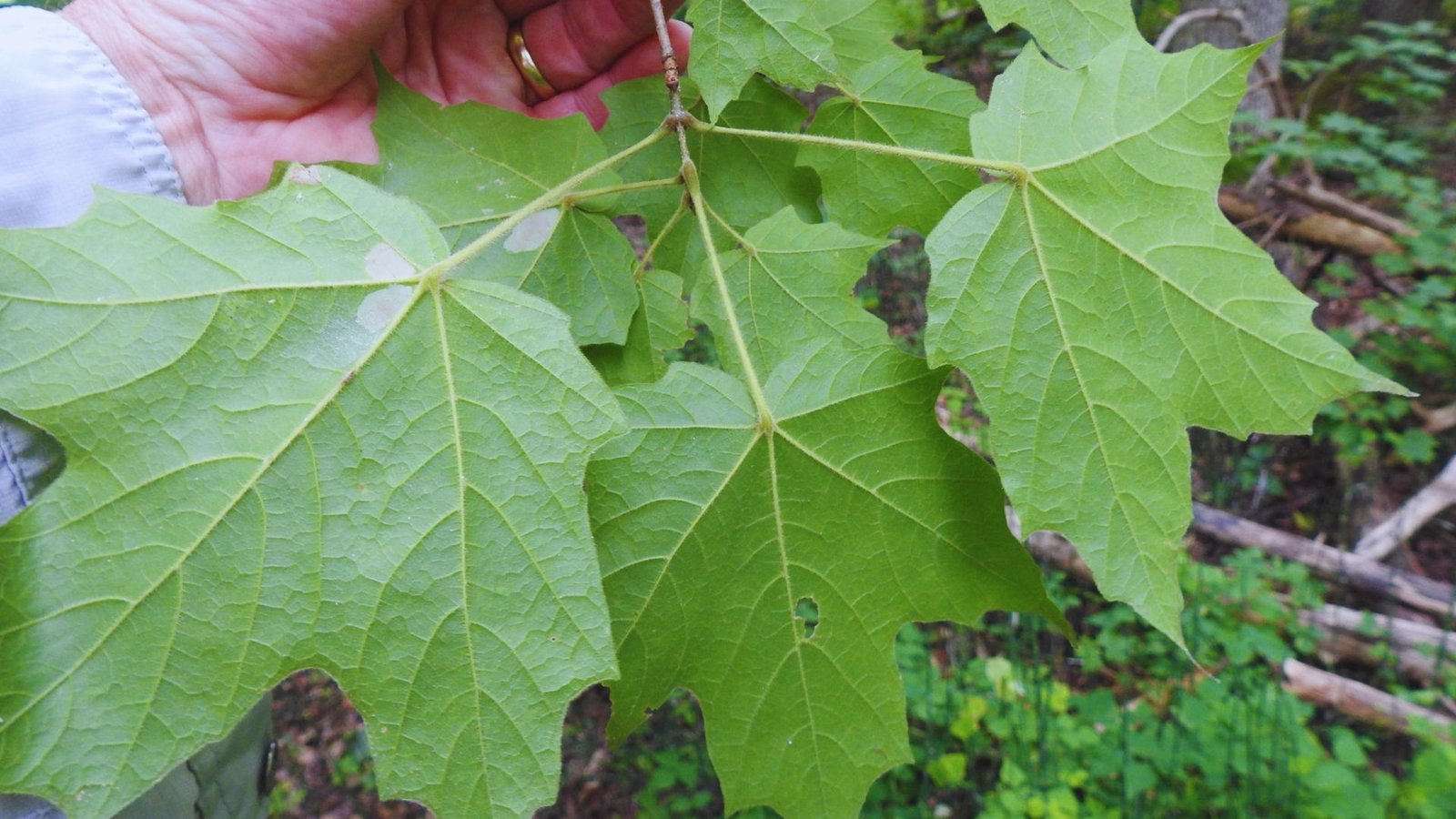
Black maples are sugar maple cousins. They have slightly darker bark and droopier leaves. The sap quality rivals sugar maples with similar high sugar content.
These trees thrive in the Northeast alongside sugar maples. Many producers consider them equally valuable. The syrup tastes nearly identical to sugar maple syrup.
Red Maple (Acer rubrum)
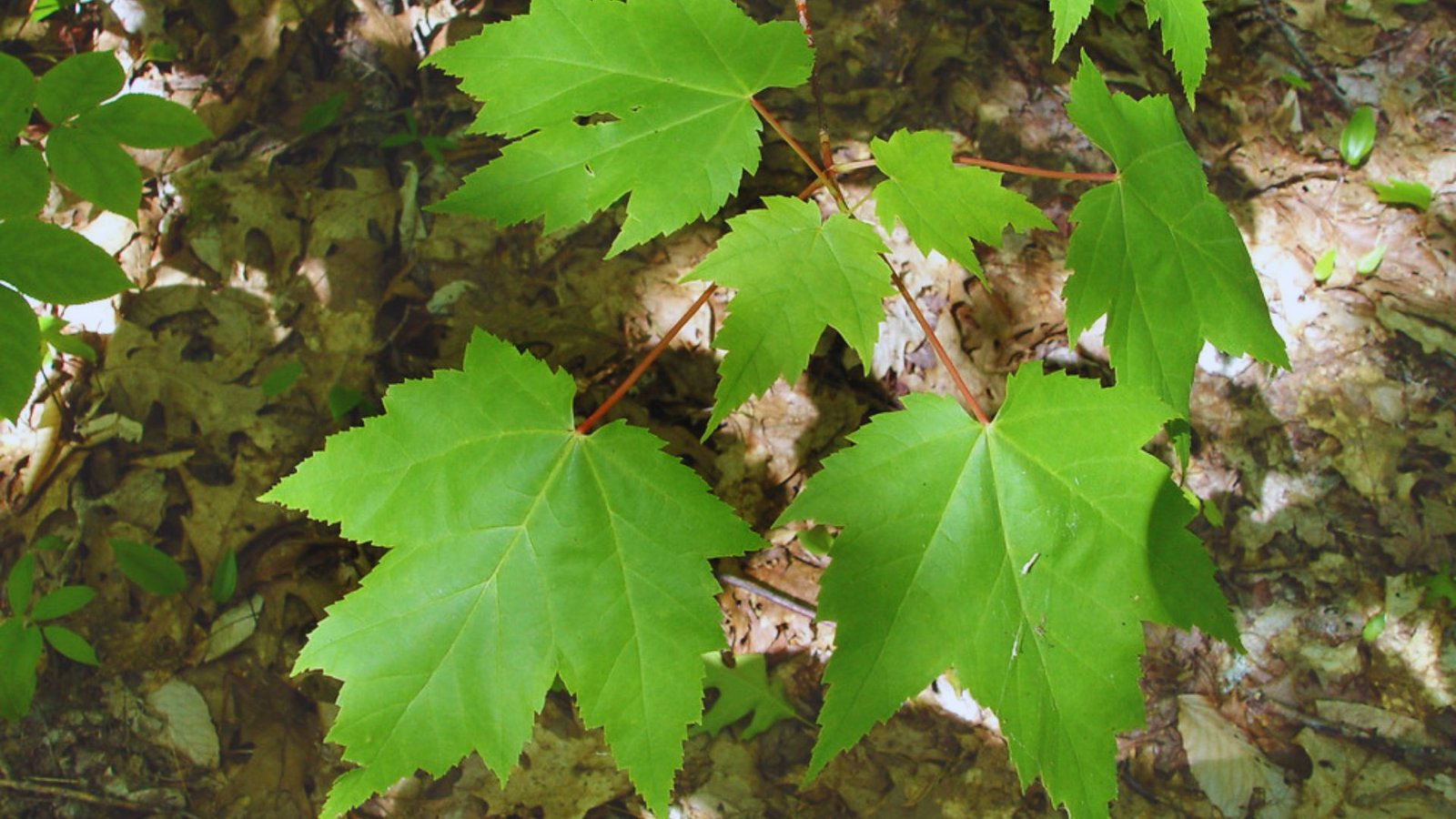
Red maples work but require more patience. Their sap contains less sugar, usually around 1.5 to 2 percent. You’ll boil longer to get the same amount of syrup.
Southern and midwestern regions use red maples more often. They’re common and accessible where sugar maples are scarce. The syrup still tastes good, just demands more time and fuel.
Silver Maple (Acer saccharinum)
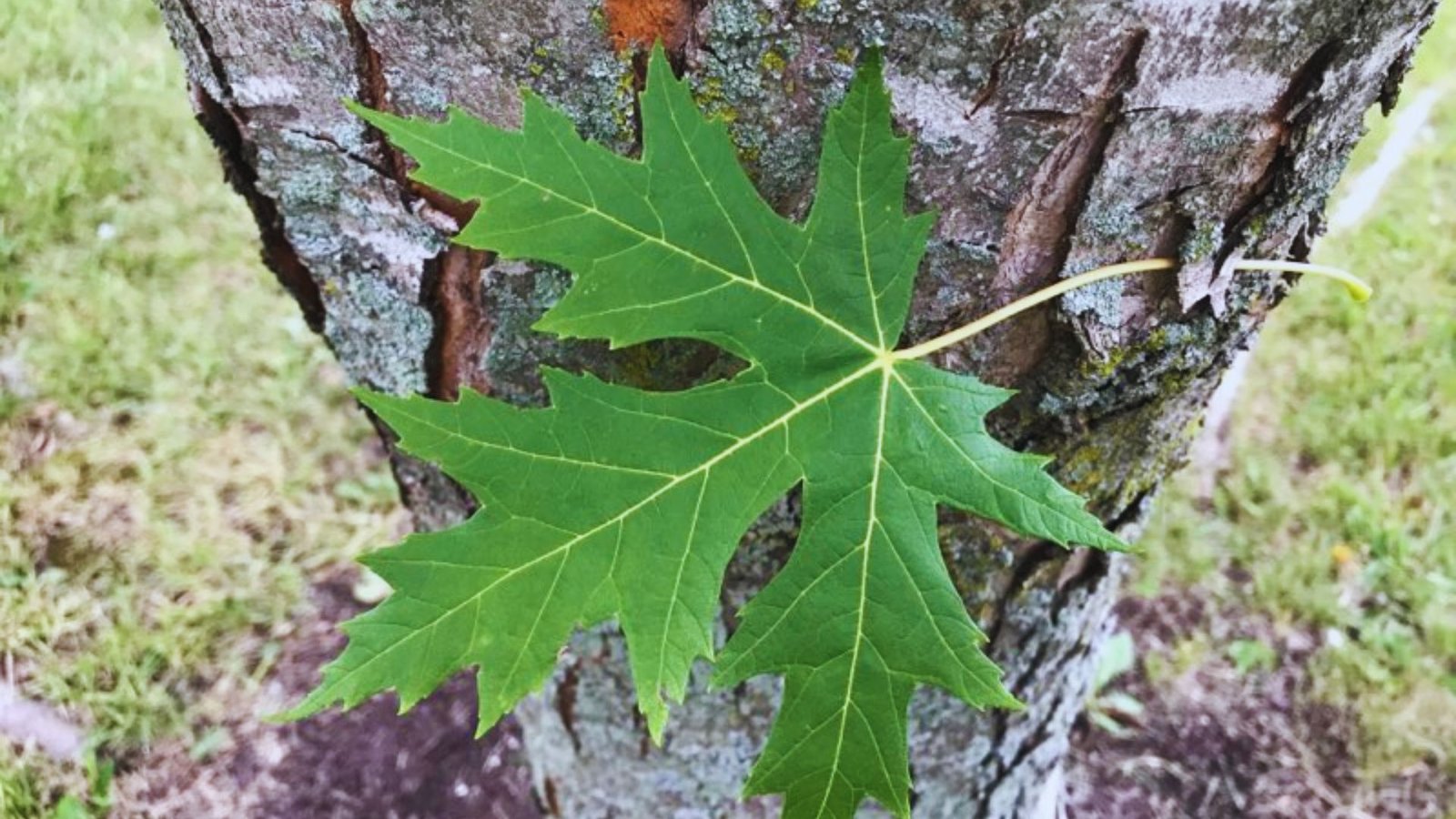
Silver maples sit at the bottom of preferred species. Their sap has roughly 1 percent sugar content. The sap also produces more sugar sand, a gritty sediment that requires filtering.
Hobby producers sometimes tap silver maples in roadside operations. Commercial operations usually skip them. The return on effort is too low compared to better species.
Other Maple Species and Their Limitations
Some maples can be tapped, but they come with serious drawbacks.
Boxelder Maple (Acer negundo)
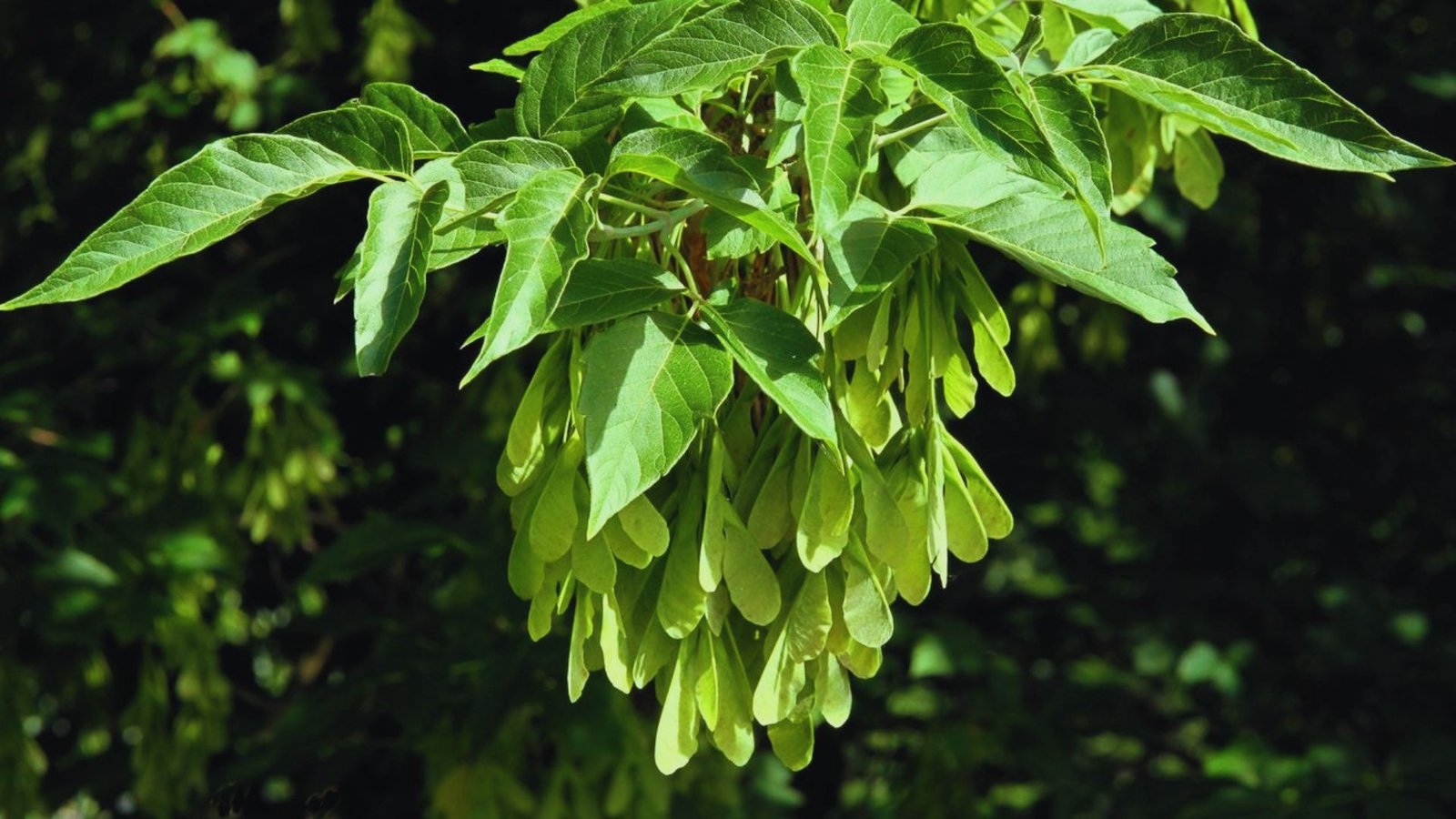
Boxelder can be tapped, but I wouldn’t recommend it. The sap is watery and often has strange off-flavors. Some describe it as having a bitter or sour note.
This species is more for curious experimenters than serious syrup making. Commercial viability is essentially zero. You might try it once just to say you did.
Bigleaf Maple (Acer macrophyllum)
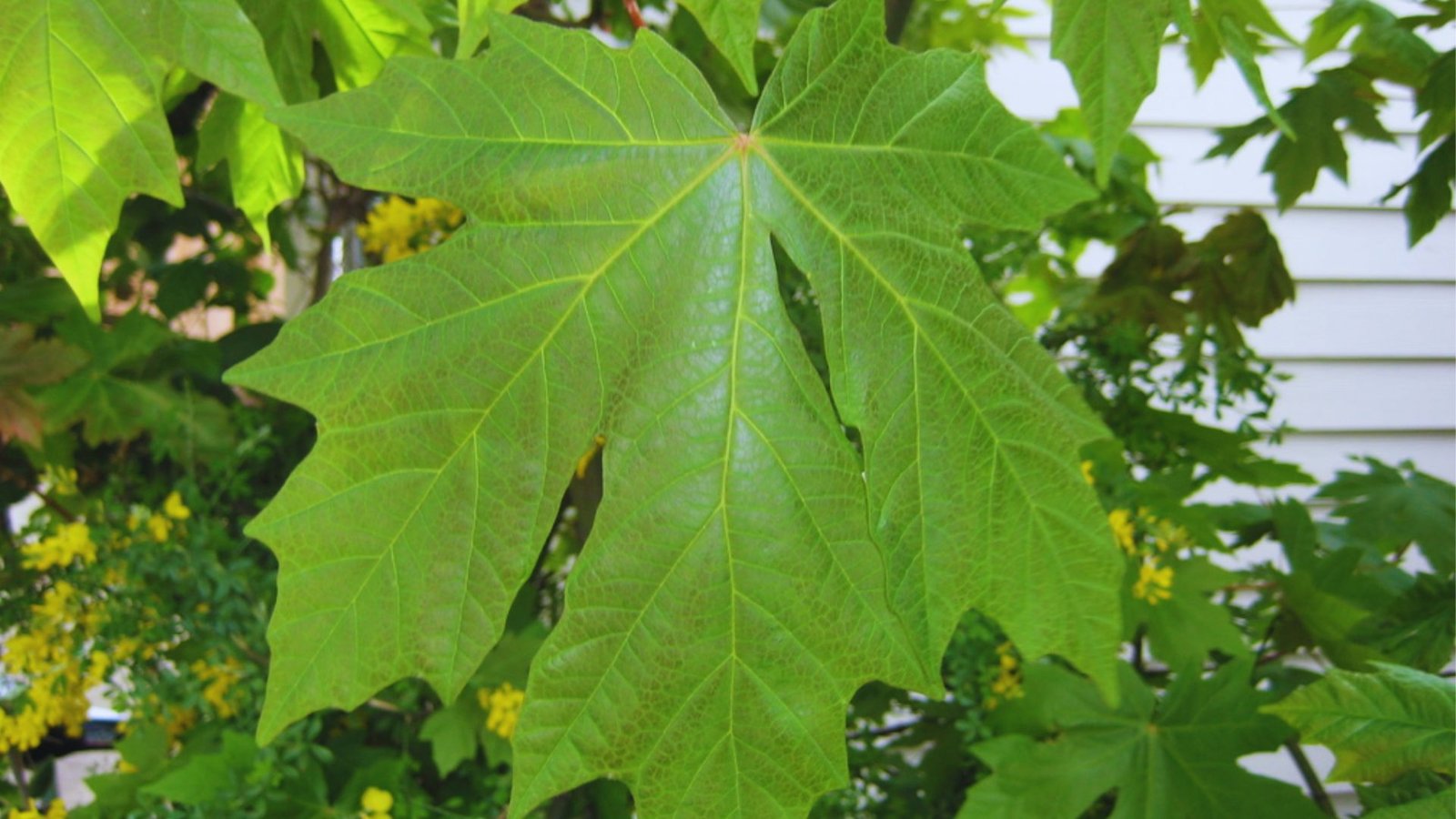
Bigleaf maples grow along the West Coast of the United States. Pacific Northwest producers tap these trees since sugar maples don’t grow there.
The syrup has a different flavor profile, sometimes described as more mineral or earthy. Regional producers have built small industries around bigleaf maple syrup. It works in that specific area.
Norway Maple and Ornamental Varieties
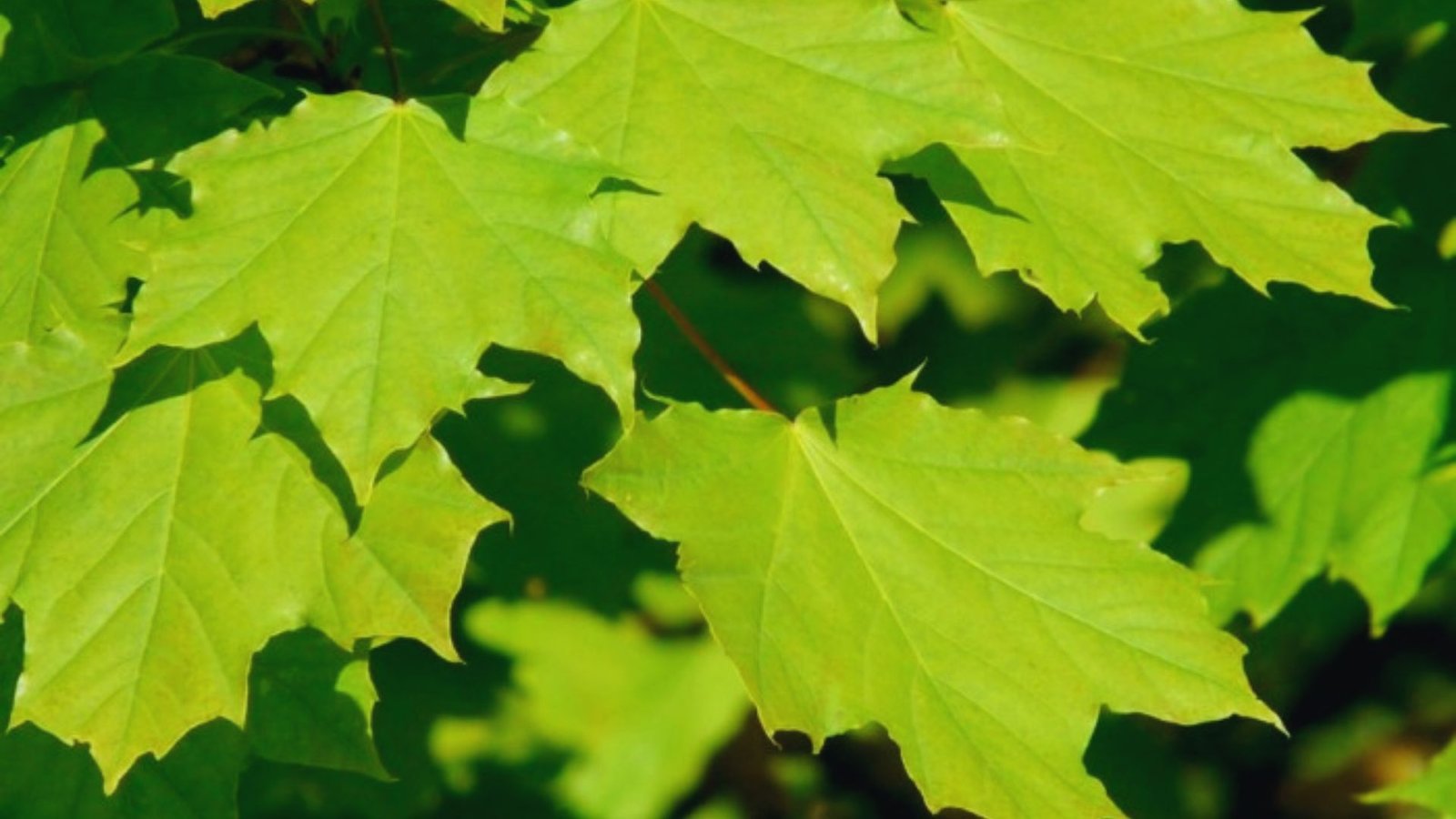
Norway maples are common shade trees in yards and parks. They produce sap but it’s not suitable for syrup production. The sugar content is too low and the flavor is off.
Ornamental Japanese maples and other decorative varieties fall into the same category. They’re beautiful trees but not sugary trees. Keep your taps away from these.
What Makes Some Maples Better Than Others
Sugar concentration explains everything. Sugar maple sap contains 2 to 3 percent sugar, while red maple drops to 1.5 to 2 percent and silver maple bottoms out around 1 percent.
More sugar means less boiling time, lower fuel costs, and better flavor with those complex caramel notes.
Timing matters too. Early spring sap runs are clearest and sweetest. Late-season buddy sap develops when leaf buds open, creating darker syrup with off-flavors.
Professional producers stop tapping before this happens.
Key Takeaways for Maple Syrup Lovers
Here’s what you need to remember before tapping your first tree.
- All maples produce syrup, but not all are worth the effort
- Sugar and black maples give the best quality and yield
- Low-sugar species waste time and fuel during boiling
- Early spring sap tastes better than late-season buddy sap
- Local climate and soil affect your final syrup flavor
Conclusion
Do all maple trees produce syrup? Technically yes, but quality varies wildly. I’ve seen hobby producers spend weekends boiling silver maple sap for disappointing results.
Don’t make that mistake. Identify your trees first and choose sugar or black maples when possible.
These forests deserve our respect and sustainable practices. The syrup you make this spring could become a family tradition.
Ready to start tapping? Drop a comment and tell me about your maple syrup plans.
Frequently Asked Questions
Can you make syrup from any maple tree?
Yes, all maple species produce sap that can be boiled into syrup. Some species have very low sugar content that makes the process impractical.
Why is sugar maple best for syrup production?
Sugar maples have the highest sugar concentration at 2 to 3 percent. This means less boiling time, lower costs, and better flavor.
When is the best time to tap maple trees?
Late winter through early spring works best. You need freezing nights below 32°F and warm days above 40°F for sap flow.
How much sap does it take to make syrup?
It takes about 40 gallons of average sap to make one gallon of syrup. Sugar maples with higher sugar need less sap.
What is buddy sap and why does it matter?
Buddy sap happens when leaf buds open in late season. It makes darker syrup with off-flavors, so producers stop tapping before this.


