


Are you unsure about germination and intend to grow zinnias? I’ve been there. It’s difficult to know what’s right because of the contradictory advice available online.
Does the germination of zinnia seeds require light? I’ll give you the straight answer along with the really important conditions.
The fundamentals of germination, the best times to plant, and how to take care of blooms are all covered in this guide.
You’ll find the ideal temperature, how deep to plant seeds, and how to steer clear of typical blunders. These techniques are effective, and I grow zinnias every year.
Let’s start your seeds off correctly.
Do Zinnia Seeds Need Light to Germinate And Grow?
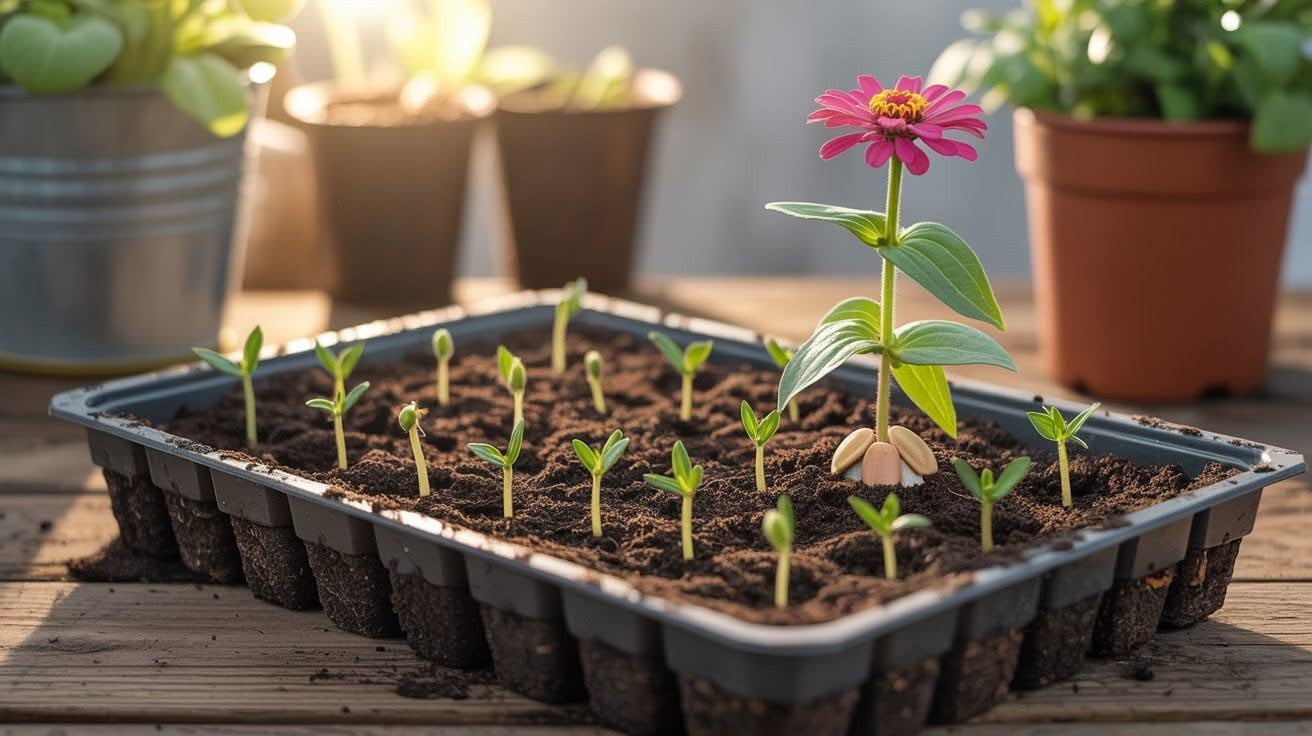
Learn the truth about light requirements for zinnia germination and what environmental factors actually matter for successful sprouting.
Zinnia seeds do not require light to germinate. They perform best when covered lightly with soil at 0.5 to 1 centimeters deep. Germination takes 3 to 7 days in warm conditions.
Warmth matters most. Keep soil temperature between 21 and 29 degrees Celsius (70 to 85 degrees Fahrenheit). This warm range speeds up sprouting.
Maintain consistent moisture. Soil should feel damp but not waterlogged. Soggy conditions cause rot.
Use well-draining soil rich in nutrients. Start seeds in trays, pots, or directly in the garden. Keep soil moist by checking daily. Cover trays with plastic to maintain humidity, removing it once sprouts appear.
Place trays in a warm spot or use a heat mat. Avoid cold windowsills.
When to Plant Zinnia Seeds?
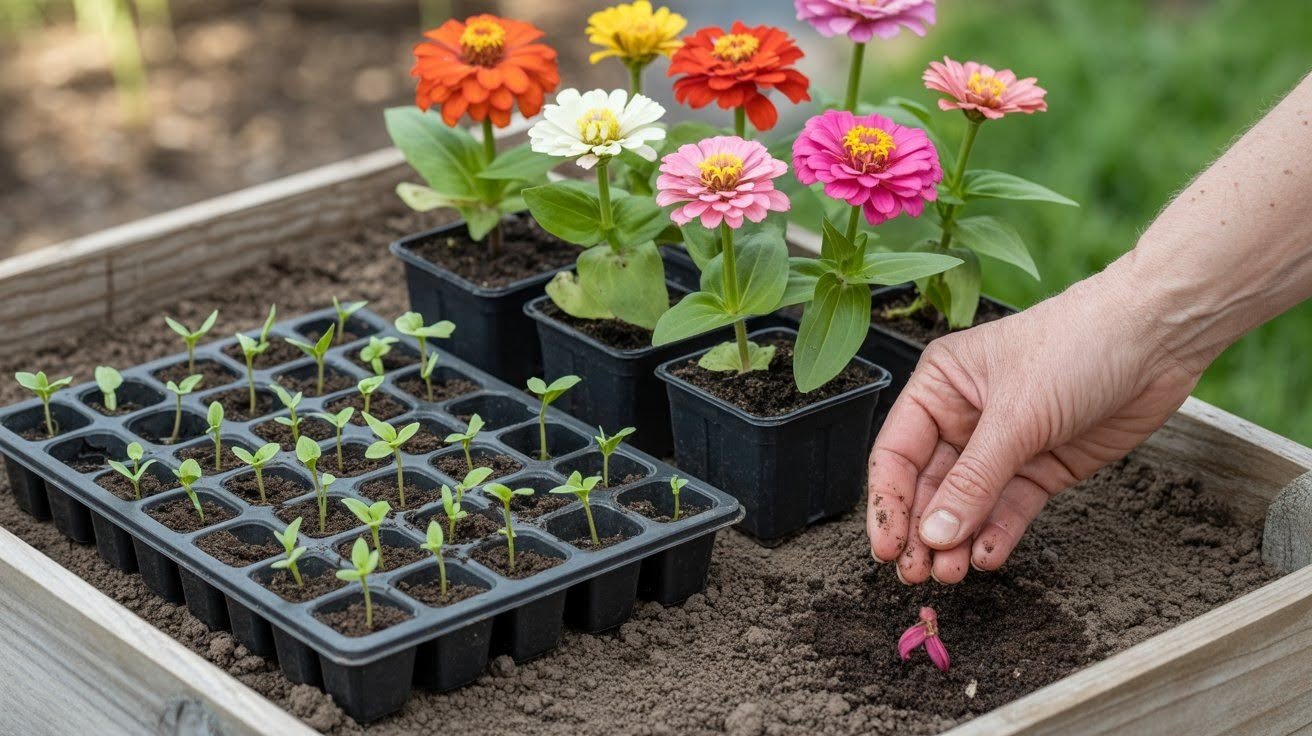
Timing your zinnia planting correctly ensures strong germination and healthy growth throughout the season without frost damage.
Best Time to Sow
Plant zinnia seeds in late spring to early summer after all frost danger has passed. Even light frost kills young plants. Wait until the soil warms to at least 15 degrees Celsius (60 degrees Fahrenheit).
Indoor vs. Outdoor Sowing
Start seeds indoors 4 weeks before your last frost date. Use seed trays with seed-starting mix in a warm, bright location.
Transplant outdoors after hardening off seedlings gradually over 7 to 10 days. Handle roots carefully.
Direct outdoor sowing is easier and often produces stronger plants. Wait until soil is warm, plant at the proper depth, and keep moist until sprouting.
How to Grow Healthy Zinnia Plants After Germination
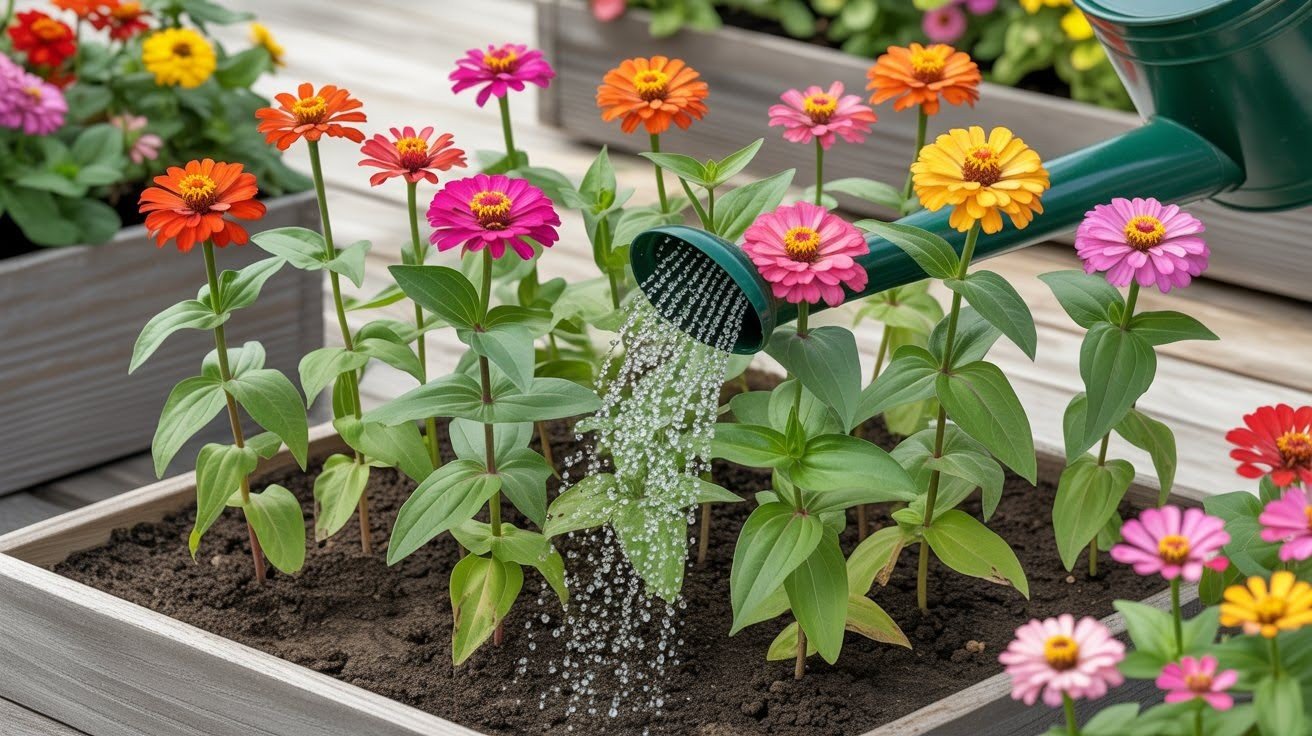
After germination, zinnias need specific care, including proper sunlight, watering, and soil conditions to produce strong stems and vibrant blooms.
Provide at least 6 to 8 hours of direct sunlight daily. Insufficient light causes weak, leggy stems and fewer blooms.
Water consistently, letting the top layer dry slightly between waterings. Water deeply at the base of plants, not overhead. Early morning watering prevents fungal diseases.
Zinnias prefer soil pH between 6.3 and 6.8. Mix compost into planting beds for drainage and nutrition.
Feed lightly every few weeks with balanced fertilizer at half strength. Avoid high-nitrogen fertilizers that reduce flowering.
Zinnia Maintenance and Blooming Tips
- Pinch off the first flower bud when plants reach 15 to 20 centimeters tall. This encourages bushier growth with more branches and ultimately more flowers.
- Remove spent blooms regularly through deadheading. Cut or pinch off faded flowers just above the next set of leaves. This triggers plants to produce new buds continuously.
- Space plants 15 to 30 centimeters apart, depending on the variety. Dwarf types need less space while tall varieties require more room.
- Proper spacing allows air to circulate between plants. Good airflow prevents fungal diseases like powdery mildew that thrive in humid, crowded conditions.
- Avoid planting zinnias too close together, even if you want a full look. Crowded plants compete for resources and develop disease more easily.
- Check plants regularly for signs of pests or disease. Catch problems early for easier treatment and better plant health throughout the season.
Final Thoughts
You now know that light is not necessary for zinnia seeds to sprout. All they need to get started is warm soil, regular moisture, and a thin layer of mulch.
Zinnias are so dependable and happy that I plant them every spring.
You will quickly have blooming plants if you follow these instructions. Zinnia’s simplicity is what makes it so beautiful. With these flowers, even novices can succeed.
Are you prepared to begin growing zinnias? Tell me which colors you intend to grow this year by leaving a comment.
Frequently Asked Questions
How deep should I plant zinnia seeds?
Plant zinnia seeds about 0.5 to 1 centimeter deep in well-draining soil. Cover lightly with soil and keep moist. Seeds planted too deep struggle to push through and may not sprout.
Can I start zinnia seeds indoors?
Yes, start zinnia seeds indoors 4 weeks before your last frost date. Use seed trays with quality potting mix. Transplant carefully after hardening off seedlings to avoid root disturbance.
How long do zinnias take to bloom from seed?
Zinnias typically bloom 60 to 70 days after planting seeds. Some varieties flower sooner while others take slightly longer. Warm temperatures and full sun encourage faster blooming.
Do zinnias reseed themselves?
Yes, zinnias often drop seeds that sprout the following year in warm climates. Allow some flowers to dry on plants and drop seeds naturally. You may get volunteer plants next season.
Why are my zinnia seedlings leggy?
Leggy seedlings result from insufficient light. Move seedlings to a brighter location or add grow lights. Provide at least 12 to 14 hours of light daily for compact, sturdy growth.


