


Fennel vs dill, I used to mix these up all the time at the grocery store. They look so similar with their feathery green leaves.
But bite into one expecting the other, and you’ll know immediately you grabbed the wrong herb. The taste difference is huge. If you’re confused about which herb to use in your recipes, I’m here to help.
In this guide, I’ll show you exactly how fennel vs dill compare. You’ll learn their flavor profiles, best cooking uses, health benefits, and growing tips. I’ve made the mistakes so you don’t have to.
By the end, you’ll confidently pick the right herb every time. Let’s sort this out together.
What Are Fennel and Dill?
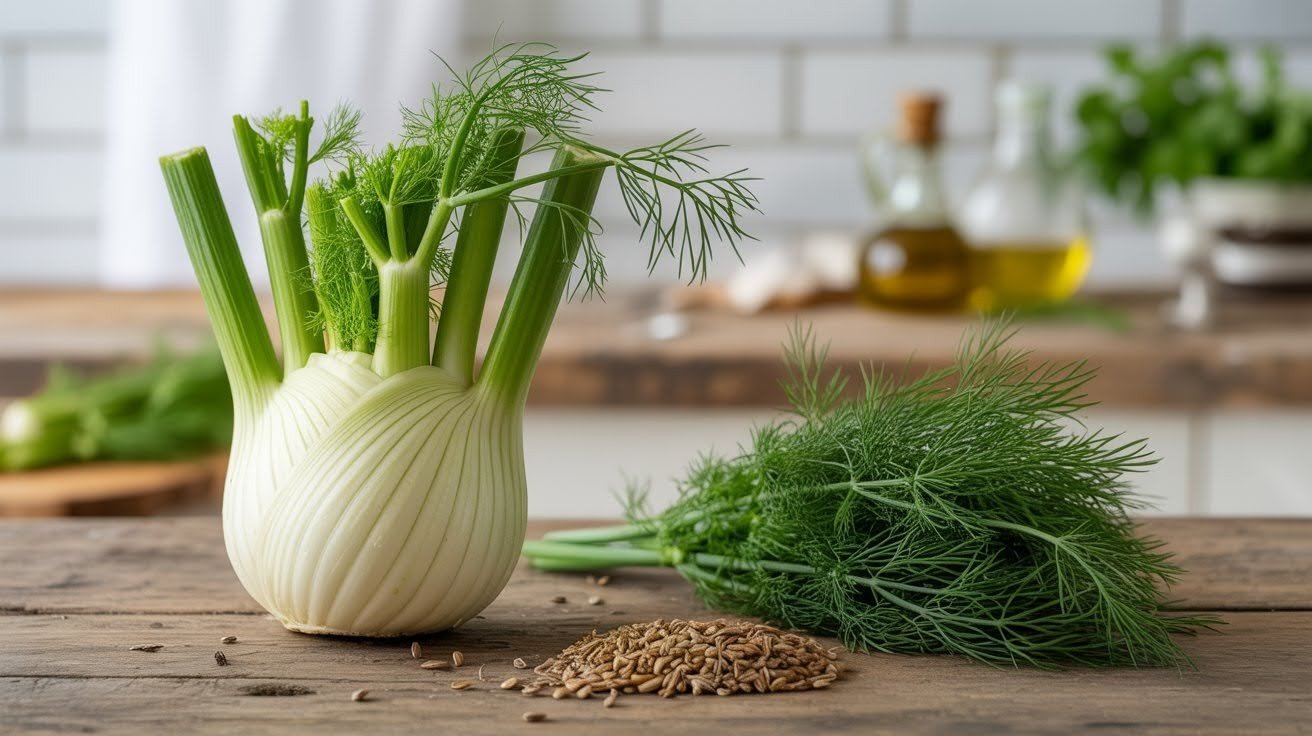
Fennel comes from the Mediterranean region. It’s a perennial plant that grows back each year.
The plant has three usable parts: a white bulb, feathery green leaves, and small seeds. You’ll find fennel in Italian, French, and Indian cooking.
Dill originated in the Mediterranean and Southern Russia. It’s an annual plant, so you replant it yearly.
Dill has thin, wispy leaves and flat brown seeds. The aroma is fresh and tangy. Eastern European and Scandinavian cuisines love dill in pickles, salads, and fish dishes.
Key Differences Between Fennel and Dill
Let me break down what sets these herbs apart.
Botanical Classification
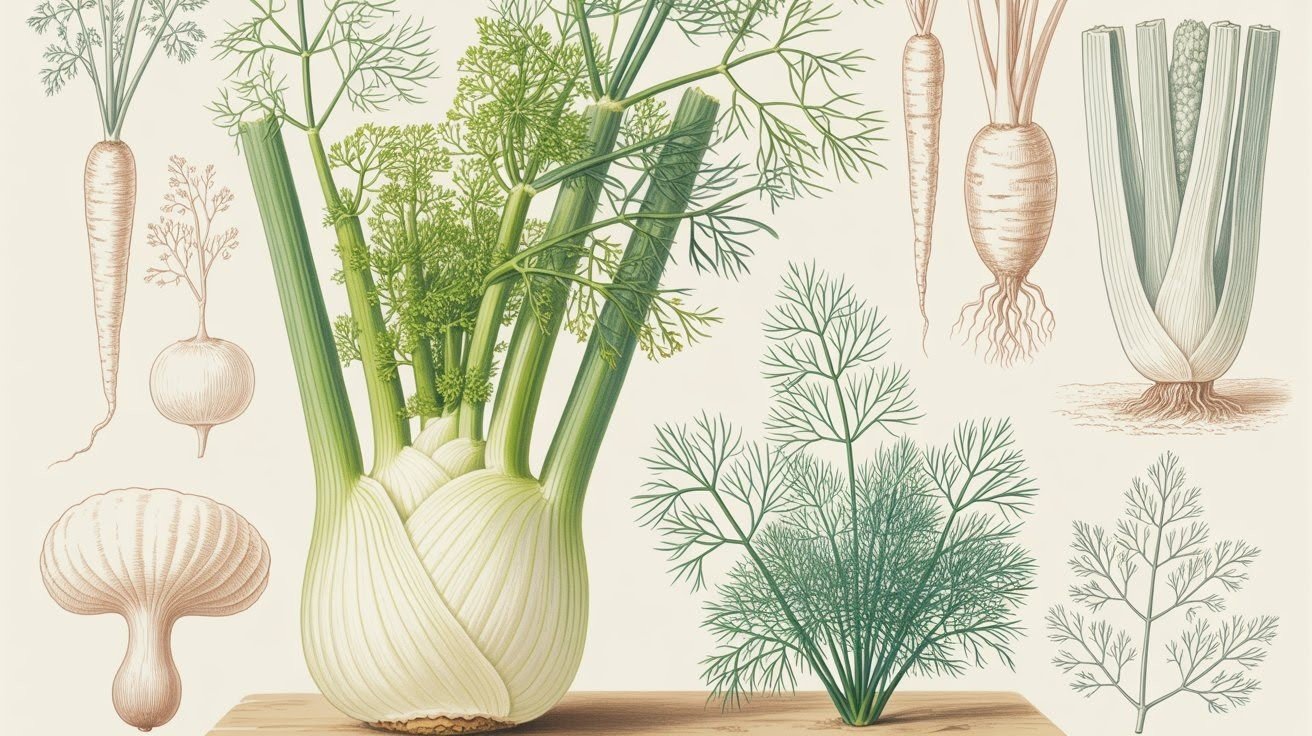
Both belong to the Apiaceae family. But they’re completely different species. This family also includes carrots, celery, and parsley.
Fennel is perennial. Plant it once and it returns each season. In warm climates, it can grow year-round. Dill is annual. You start fresh every year. Cold weather kills dill plants completely.
Appearance
The leaves tell the story. Fennel fronds are thicker and more substantial. They grow in feathery clusters. Each frond can be several inches long. Dill leaves are finer and more thread-like. They look almost like soft needles. Dill foliage is more delicate to touch.
Fennel produces a large white bulb at its base. This bulb overlaps in layers like an onion. Dill never forms a bulb. It’s all stems and leaves above ground. Dill stems are hollow and can snap easily.
Both plants flower. Fennel has yellow umbrella-shaped blooms. These flowers can span 4-6 inches across. Dill flowers are similar but slightly smaller. They’re also yellow and attract beneficial insects like butterflies and bees.
Aroma and Flavor Profile
Fennel tastes like licorice or anise. It’s sweet with a subtle warmth. The bulb is mild and crunchy. When you bite into raw fennel, it’s crisp like celery. The seeds pack a stronger punch. They’re often used in Italian sausage and Indian curries.
Dill tastes grassy and fresh. It has a tangy, slightly citrus note. There’s no sweetness like fennel. The flavor is clean and herbaceous. Some people compare it to a mix of parsley and anise, but much lighter. Fresh dill has a more pronounced flavor than dried dill.
In cooking, fennel adds sweetness and depth. It mellows when cooked. The licorice flavor becomes subtle and almost buttery. Dill brings brightness and freshness. Heat can make it bitter, so add it late. Cooking dill for too long makes it lose its signature taste.
Culinary Uses
Fennel works in three forms. The bulb gets sliced for salads or roasted as a side dish. The fronds garnish soups and fish. The seeds go into sausages, breads, and spice mixes.
Dill shines in two ways. Fresh leaves top potatoes, fish, and creamy dips. The seeds are essential for pickling cucumbers and vegetables. Dill seed has a slightly sharper taste than fresh dill leaves.
Don’t swap them freely. Fennel’s sweetness won’t work in a pickle recipe. Dill’s tang will clash in a dish that needs licorice notes.
Health and Nutritional Benefits
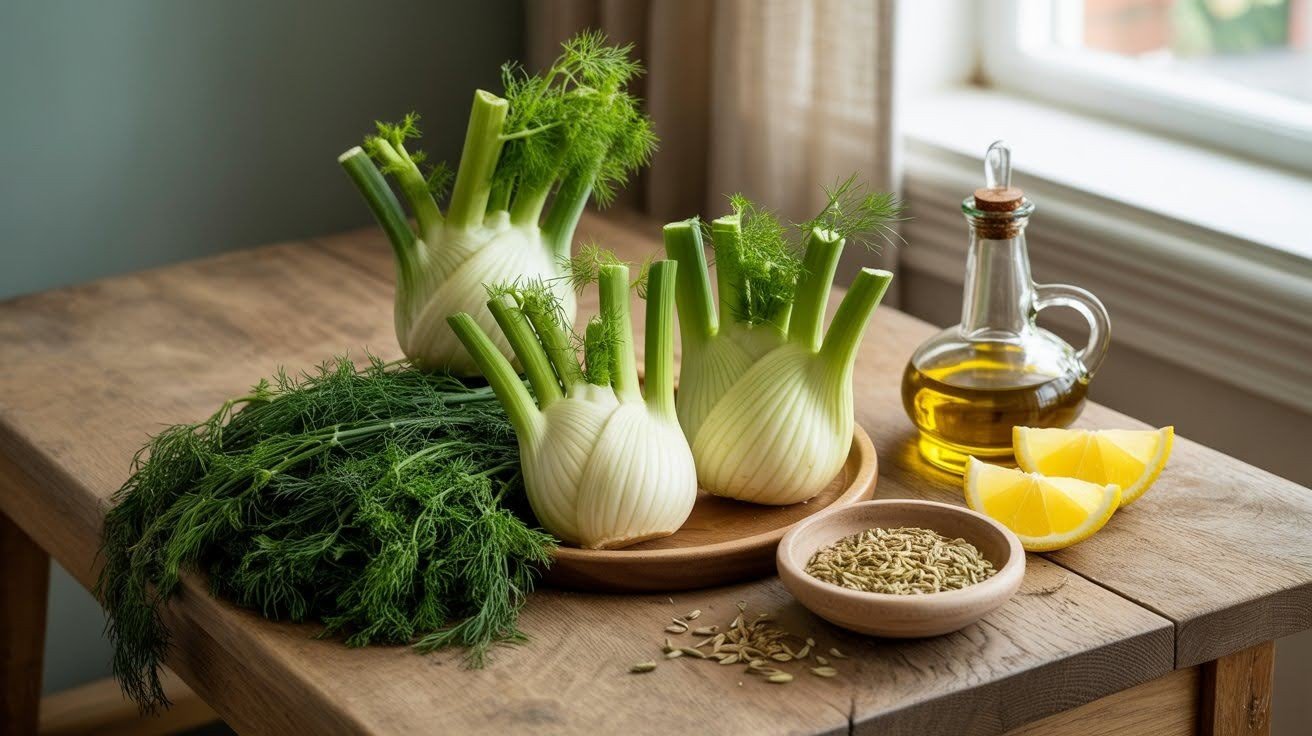
Both herbs offer more than just flavor.
Benefits of Fennel: Fennel helps your digestive system work better. It can reduce bloating and gas. Many cultures chew fennel seeds after meals for this reason.
It has anti-inflammatory properties. This may help reduce swelling and discomfort in your body.
Nutritionally, fennel provides fiber for healthy digestion. It contains potassium, which supports heart health. You’ll also get vitamin C for immune function.
Benefits of Dill: Dill also aids digestion. It can calm an upset stomach and reduce indigestion.
It has antibacterial properties. This helps fight harmful bacteria in your body. The antioxidants in dill protect your cells from damage.
Dill gives you calcium for strong bones. Iron helps carry oxygen in your blood. Vitamin C boosts your immune system and skin health.
Growing Fennel and Dill
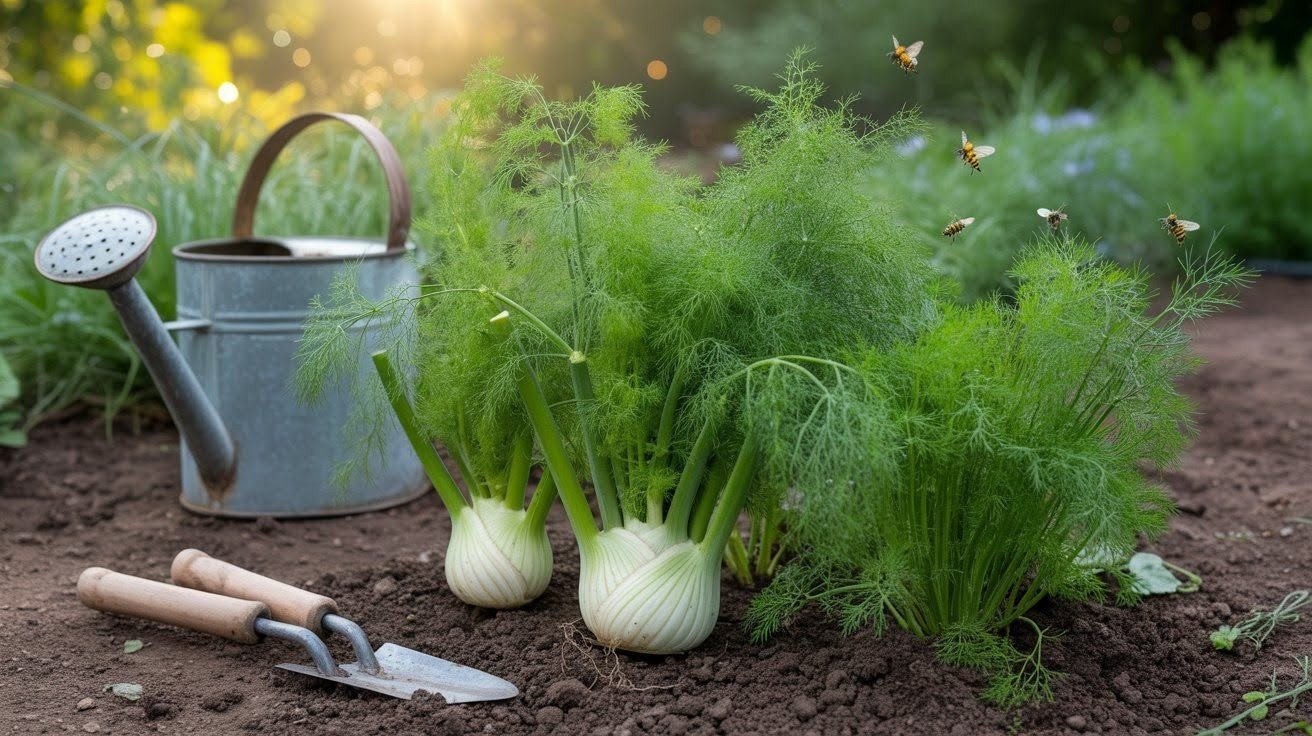
Want to grow your own? Here’s what you need to know.
Fennel prefers cool to moderate weather. Plant it in early spring or fall. It needs full sun, at least six hours daily. The soil should drain well. A slightly sandy or loamy soil works best.
Dill likes similar conditions. Plant seeds in spring after the last frost. It tolerates some shade but grows best in full sun. Keep it consistently watered but not soggy.
Keep them apart. These plants can cross-pollinate. This affects seed quality and flavor. Plant them in separate garden beds. If space is limited, use containers.
Keep at least 50 feet between them in open gardens. Put each herb in its own pot on opposite sides of your patio.
How to Use Fennel and Dill in Cooking
Let me share practical ways to cook with each herb.
- Fennel bulbs work raw or cooked. Slice it thin for salads with oranges and arugula. Roast wedges with olive oil until caramelized. Add chopped bulb to soups and stews for depth.
- Fennel fronds and seeds add anise flavor. Use fronds as a garnish on fish and soups. Toss seeds into sausage, bread dough, or spice blends.
- Fresh dill leaves belong on top of dishes. Sprinkle over cucumber salad, potato soup, or mix into sour cream dips. Add at the end of cooking since heat destroys its flavor.
- Dill seeds are essential for pickling. Use them in classic dill pickles and pickled vegetables for authentic taste.
Best pairings: Fennel loves fish, citrus, and poultry. Dill pairs perfectly with salmon, potatoes, and yogurt-based sauces.
Conclusion
I once mixed up fennel and dill at the grocery store and ruined a batch of tzatziki sauce. The sweet licorice taste was all wrong. That mistake taught me everything.
Fennel vs dill really comes down to this: fennel brings sweetness, dill brings tang. Now I keep both in my kitchen.
Try fennel in your next roasted vegetable medley or sprinkle fresh dill on scrambled eggs. Trust me, once you know the difference, your cooking gets better.
Which one are you using this week? Let me know in the comments.
Frequently Asked Questions
Can you substitute fennel for dill in recipes?
Not usually. Fennel is sweet and licorice-like while dill is tangy and fresh. They’ll give your dish completely different flavors.
Which part of fennel tastes most like licorice?
The seeds have the strongest licorice flavor. The bulb is milder and slightly sweet.
Does dill lose its flavor when cooked?
Yes, heat diminishes dill’s flavor quickly. Add it at the end of cooking to preserve its taste.
Can you eat fennel raw?
Absolutely. Raw fennel bulb is crunchy and refreshing. Slice it thin for salads or cut into sticks for dipping.
Why do pickles need dill and not fennel?
Dill’s tangy flavor complements vinegar brine perfectly. Fennel’s sweet licorice taste would clash with pickles’ sour profile.


