


Not all seeds sprout right away. Some need cold stratification to wake up.
I know how frustrating it is when seeds refuse to germinate. That’s why I’m sharing this complete list of seeds that need cold stratification to help you succeed.
In this guide, you’ll learn exactly which herbs, flowers, and vegetables need cold treatment. I’ll show you the simple home method that works every time. No fancy equipment needed.
I’ve used this technique for years with my perennial garden. It really makes a difference.
You’ll get the full seed list, understand why cold matters, and learn the step-by-step process. Let’s grow something amazing together.
Understanding Cold Stratification
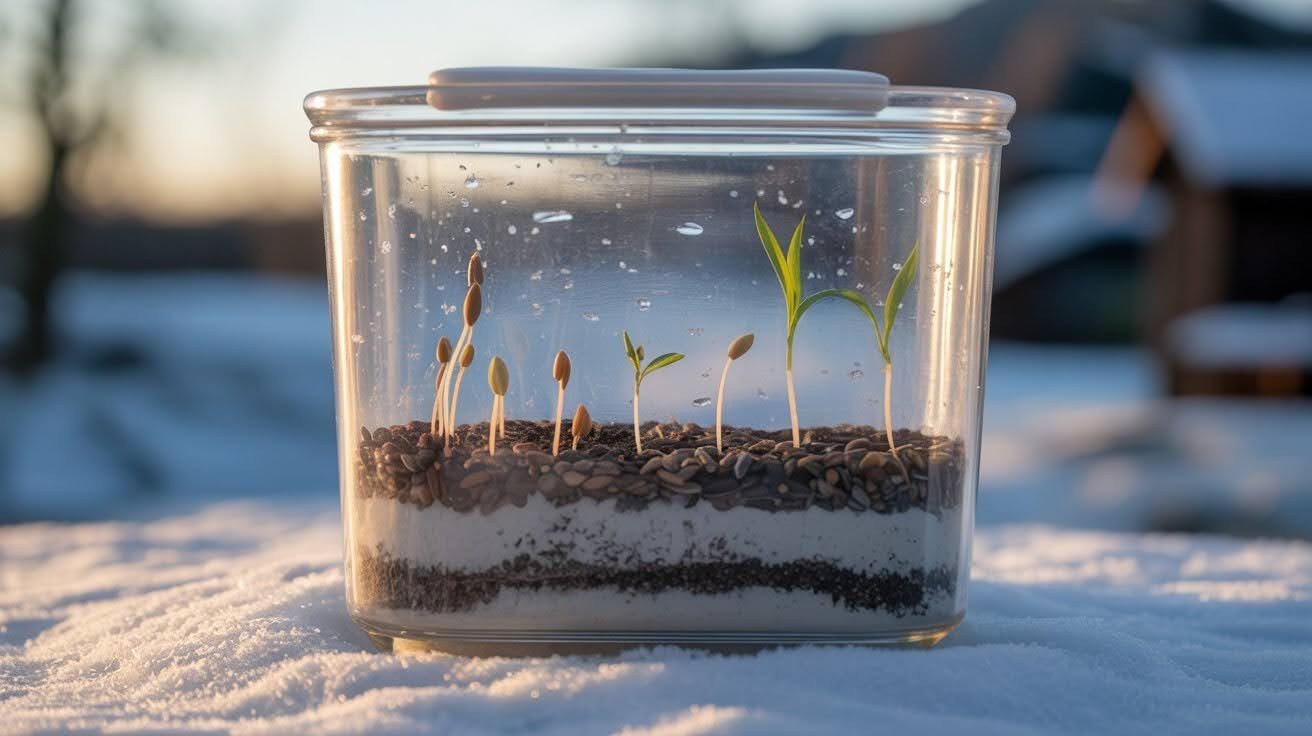
Cold stratification mimics winter conditions to trigger seed germination naturally.
Cold stratification is how nature tells seeds to wake up. In the wild, seeds drop in fall and sit through winter’s cold. Then spring warmth triggers sprouting.
We copy this process indoors. By giving seeds a cold period, we break their dormancy. It’s like flipping a switch inside the seed. Many perennial plants have built-in timers and won’t sprout until they feel that cold snap.
This process makes sprouting more reliable. Seeds germinate at the same time instead of sporadically. You get uniform growth and stronger seedlings.
The cold breaks down inhibitors in the seed coat and signals that conditions are right for growth.
How to Cold Stratify Seeds at Home
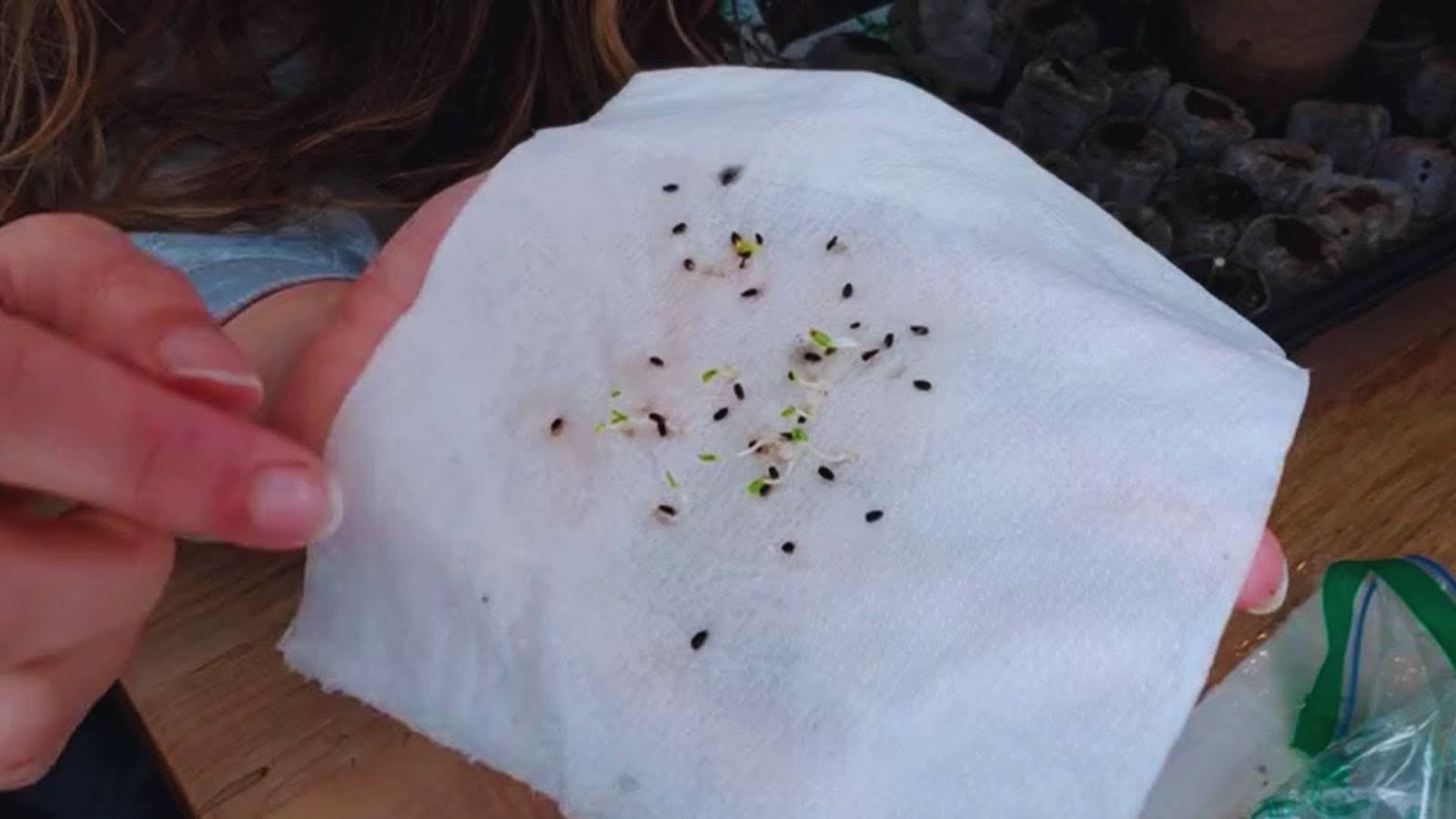
Simple methods let you prepare seeds using basic kitchen supplies and refrigeration.
Simple DIY Method: You need just a few things to start.
Grab coconut coir or sand, some water, and a sealable plastic bag. Mix your seeds into the moistened medium. Don’t make it soggy, just damp.
Seal the bag and label it clearly. Write the plant name and date. Put it in your refrigerator for 4 to 6 weeks.
Check weekly for moisture and sprouting. When you see tiny roots, it’s time to plant. Wait until frost danger passes before moving seedlings outdoors.
Tips for Successful Stratification: Keep things consistently moist but never waterlogged.
- Your fridge temperature should stay between 34°F and 41°F. That’s the sweet spot for most seeds.
- Label everything. I can’t stress this enough. You’ll forget which bag is which.
- Don’t let seeds dry out during the process. Check them every week. If sprouting starts early, plant them right away in pots indoors.
List of Seeds That Need Cold Stratification for Growth
These 45 plant varieties benefit from cold exposure before planting outdoors.
Herbs That Require Cold Stratification
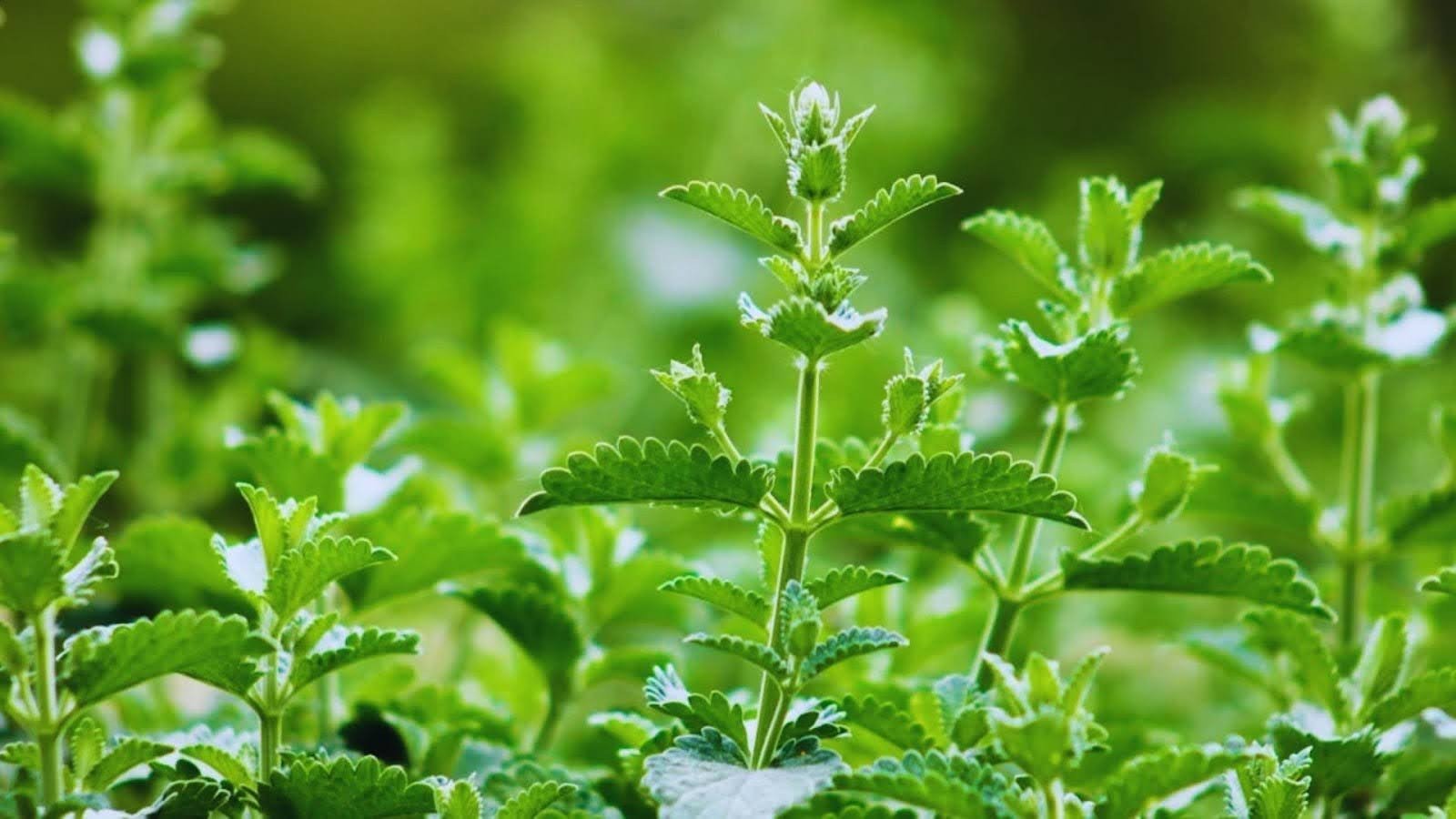
- Lavender: needs 3 to 4 weeks of cold to improve germination rates significantly.
- Lemon Balm: sprouts better after a month in the fridge. It’s worth the wait.
- Sage: benefits from cold treatment, especially garden sage varieties.
- Catnip: seeds are stubborn without stratification. Give them 4 weeks cold.
- Chamomile: grows faster when you stratify German chamomile seeds first.
- Valerian: requires cold exposure to break dormancy completely.
- Echinacea (Purple Coneflower): needs cold stratification for reliable germination.
- Angelica: seeds lose viability quickly, so stratify them fresh.
- Anise Hyssop: responds well to 4 weeks of cold treatment.
- St. John’s Wort: needs light and cold to sprout properly.
- Mugwort: germinates sporadically without cold stratification first.
- Yarrow: seeds benefit from 2 to 4 weeks in cold conditions.
- Comfrey: grows from root cuttings usually, but seeds need cold.
- Mountain Mint: requires cold stratification for best results.
- Betony: seeds germinate better after winter simulation.
Flowers That Require Cold Stratification
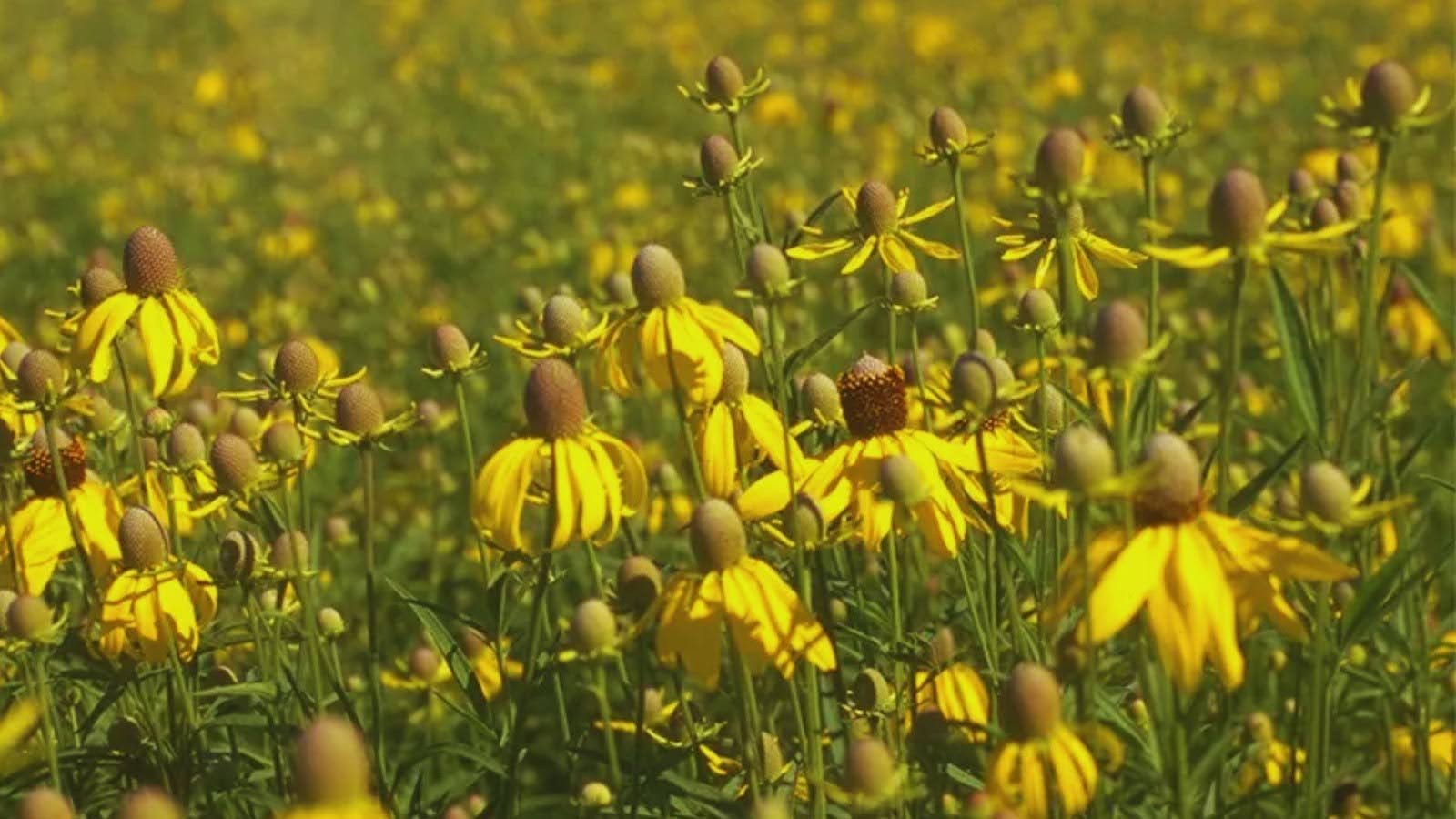
- Butterfly Weed: needs 30 days cold for strong germination rates.
- Larkspur (Delphinium): absolutely requires cold treatment to sprout well.
- Poppy: varieties like Iceland poppy need chilling first.
- Phlox: seeds won’t germinate reliably without cold exposure.
- Lupine: has a hard seed coat that cold helps soften.
- Arnica: needs cold stratification and takes time to germinate.
- Bergamot (Bee Balm): benefits from 4 weeks of refrigeration.
- Verbena: responds well to cold treatment before planting.
- Milkweed (Asclepias): needs 30 days cold for monarch butterfly gardens.
- Black-Eyed Susan: germinates more uniformly after stratification.
- Goldenrod: seeds benefit from cold exposure before spring planting.
- Self Heal (Prunella vulgaris): needs cold to break dormancy.
- Skullcap: requires stratification for reliable sprouting.
- Wild Strawberry: seeds need cold treatment to germinate well.
- Mullein: benefits from cold stratification, though it sometimes self-sows.
Shrubs, Fruits & Vegetables That Benefit from Cold Stratification
- American Elderberry: needs 90 days of cold for best results.
- Black Elderberry: requires 60 to 90 days of stratification.
- Blueberry: seeds need 90 days cold, though cuttings are easier.
- Black Mulberry: benefits from cold treatment before planting.
- Ramps (wild leeks): need two cold periods to germinate.
- American Ginseng: requires 18 months of stratification naturally.
- American Witchhazel: needs cold exposure to break dormancy.
- American Senna: germinates better after cold treatment.
- Artichoke: benefits from 2 weeks of cold before starting indoors.
- Black Chokeberry: needs 90 days of cold stratification.
- Juniper: requires extended cold periods, often 120 days.
- Goji Berry: seeds benefit from 4 to 6 weeks cold.
- Licorice: responds well to cold stratification treatment.
- Lovage: needs cold exposure for reliable germination.
- Dandelion: germinates better after a cold period.
After Stratification: What’s Next?
Move seedlings outside carefully and avoid common mistakes that harm germination success.
- Wait until the last frost date passes before moving seedlings outdoors.
- Start with partial shade for the first week to harden them off slowly.
- Water gently during the transition period as new seedlings are fragile.
- Check moisture levels weekly to prevent seeds from drying out or getting too wet.
- Plant sprouted seeds quickly once they germinate and need light and warmth.
- Label all bags clearly so you don’t mix up seed types after a few weeks.
- Keep your fridge temperature between 34°F and 41°F for best results.
Conclusion
Cold stratification changed my gardening completely. I wasted so many seeds before learning this trick.
Now I check the list of seeds that need cold stratification before every planting season. It saves time and money.
Start small this year. Pick three herbs or flowers from the list and try it. You’ll be amazed at the difference.
Which ones caught your eye? Drop a comment and tell me what you’re planning to grow. I read every response.
Frequently Asked Questions
How long does cold stratification take?
Most seeds need 4 to 6 weeks. Some plants like elderberry require 60 to 90 days.
Can I use my freezer instead of the refrigerator?
No, freezing kills seeds. Use your refrigerator at 34°F to 41°F instead.
Do I need to soak seeds before cold stratification?
Some hard-coated seeds benefit from soaking. Most seeds get enough moisture during the stratification process itself.
What happens if I skip cold stratification?
Seeds may not germinate at all. You’ll get poor sprouting rates and uneven growth.
Can I stratify seeds for too long?
Yes, too much cold can harm seeds. Check weekly and plant when sprouting starts.


