


Will cutting tree roots kill the tree? That’s probably why you’re here. I understand the frustration. Tree roots can crack your driveway, damage pipes, or make your yard look terrible.But you care about your tree too.
I’ve dealt with this exact problem in my own yard. I know how confusing it can be. In this guide, I’ll give you straight answers based on real experience.
You’ll learn which roots you can cut safely, which ones to avoid, and what happens if you make a mistake.
I’ll also show you the best times to prune roots, warning signs to watch for, and alternatives that might work better.
By the end, you’ll feel confident making the right choice for your tree and your property.
Understanding Tree Roots and Their Importance
Knowing how roots work helps you make smarter decisions about cutting them.
The Role of Tree Roots
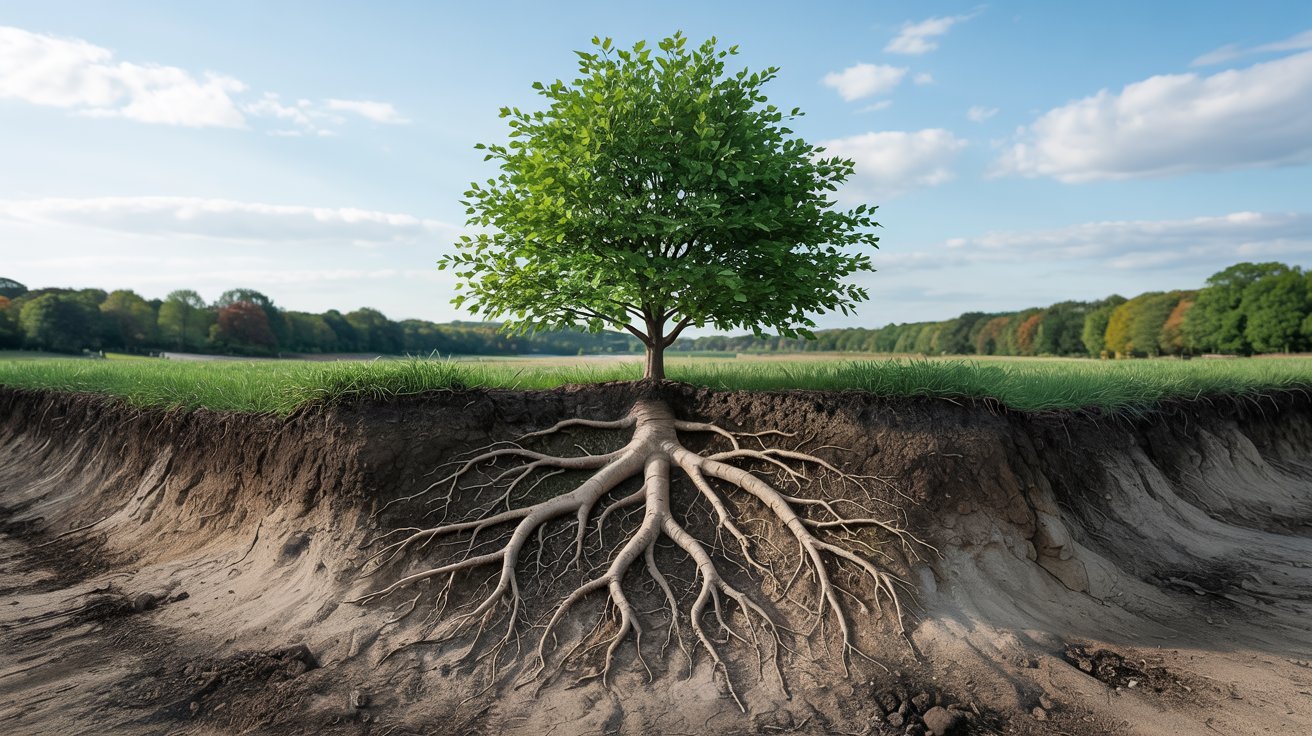
Tree roots have two main jobs: anchoring the tree and absorbing water and nutrients.
There are two types you should know:
Feeder roots are small and thin: They handle water and nutrient absorption near the surface.
Structural roots are thick and woody: They provide stability and must be protected.
Why Tree Roots Spread
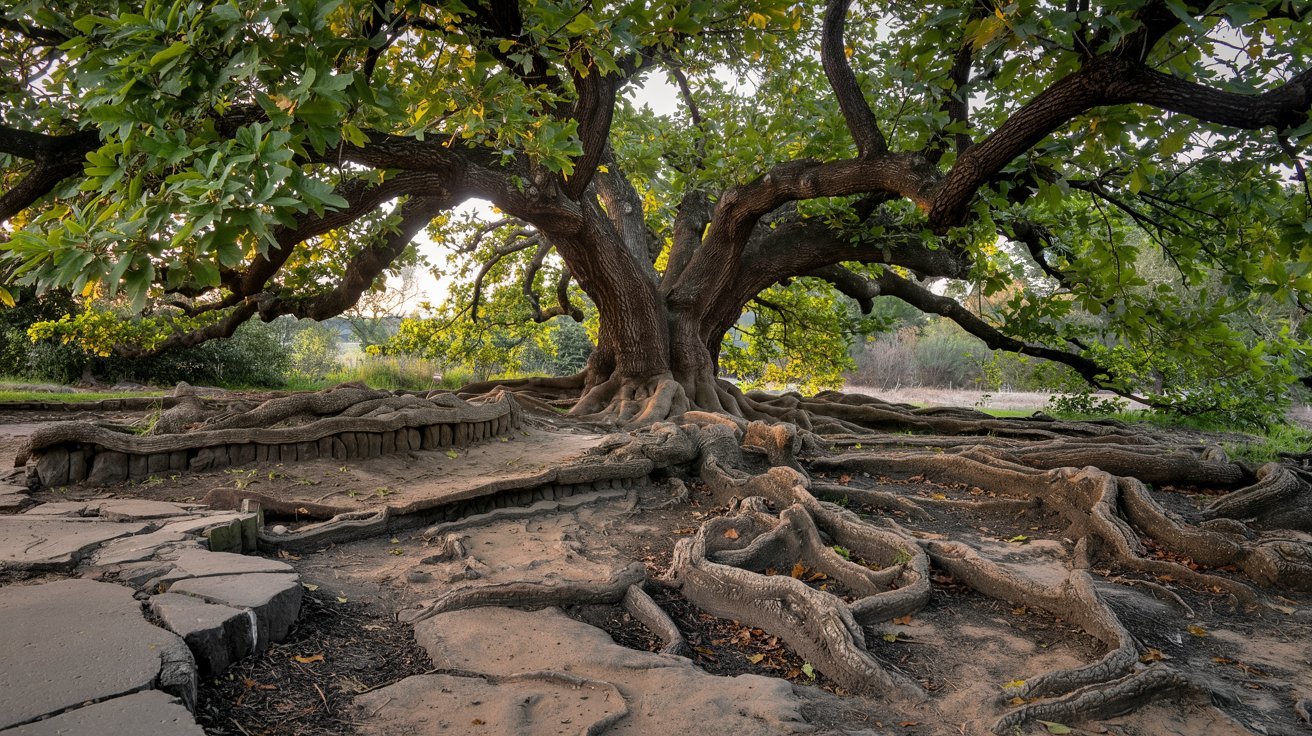
Roots spread out searching for water and nutrients, often growing far beyond the tree’s canopy.
They surface when soil is compacted, water is scarce, or the tree was planted shallow. Some species naturally have shallow roots while others grow deep.
Trees near sidewalks or buildings often interfere with structures.
Does Removing Tree Roots Harm the Tree?
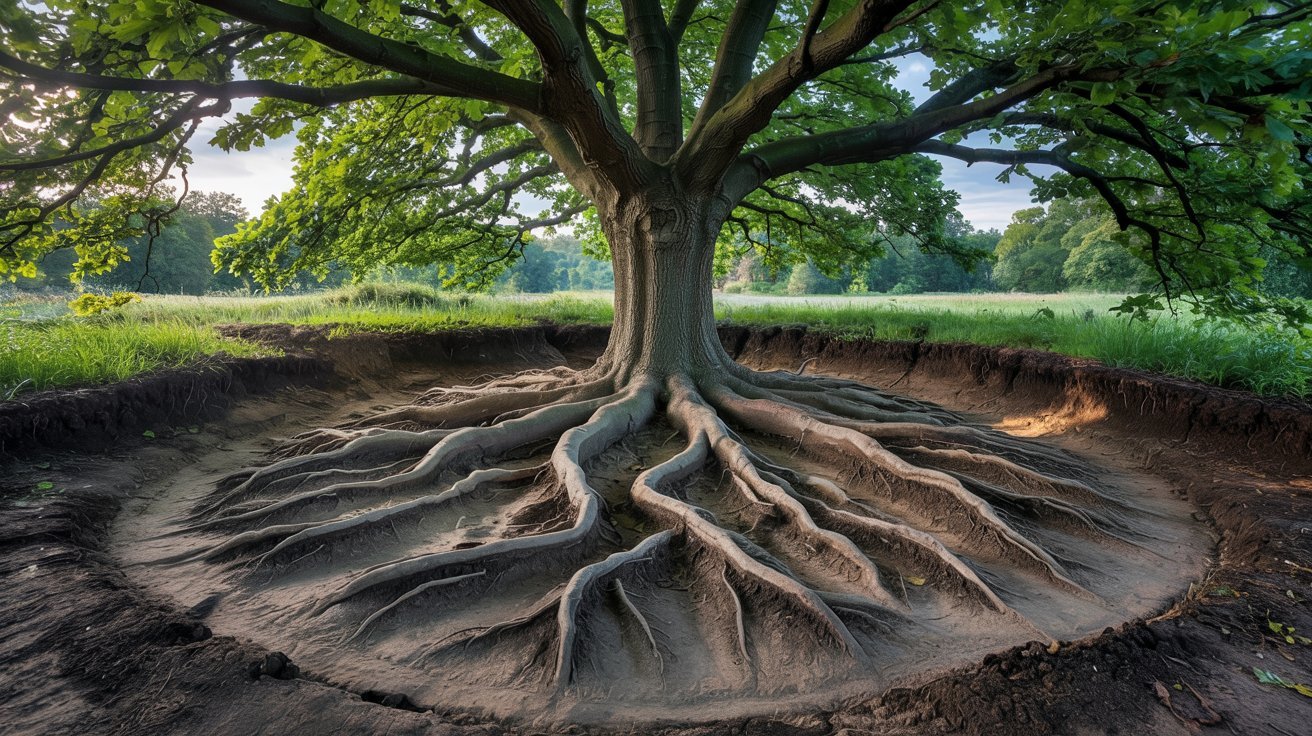
The answer isn’t black and white, it depends entirely on which roots you cut and how much you remove.
The Short Answer
It depends on what you cut.
Cutting small feeder roots is usually safe. Trees can handle losing some of these without major problems.
Cutting large structural roots is dangerous. It can weaken the tree or even kill it.
The key is how many roots you remove and which ones you cut. Remove too many, and your tree won’t survive.
Factors That Affect Tree Survival

Not all trees react the same way to root cutting. Here’s what makes a difference:
Size and location of roots cut: Big roots close to the trunk are critical. Small roots far away matter less.
Tree species and age: Young trees bounce back faster. Some species tolerate root loss better than others. Oaks and maples are sensitive. Willows are more forgiving.
Overall health of the tree: A healthy tree can recover from minor root damage. A sick or stressed tree might not make it.
Timing of root cutting: Cut during the wrong season, and you increase the risk of killing your tree.
When and How to Cut Tree Roots Safely
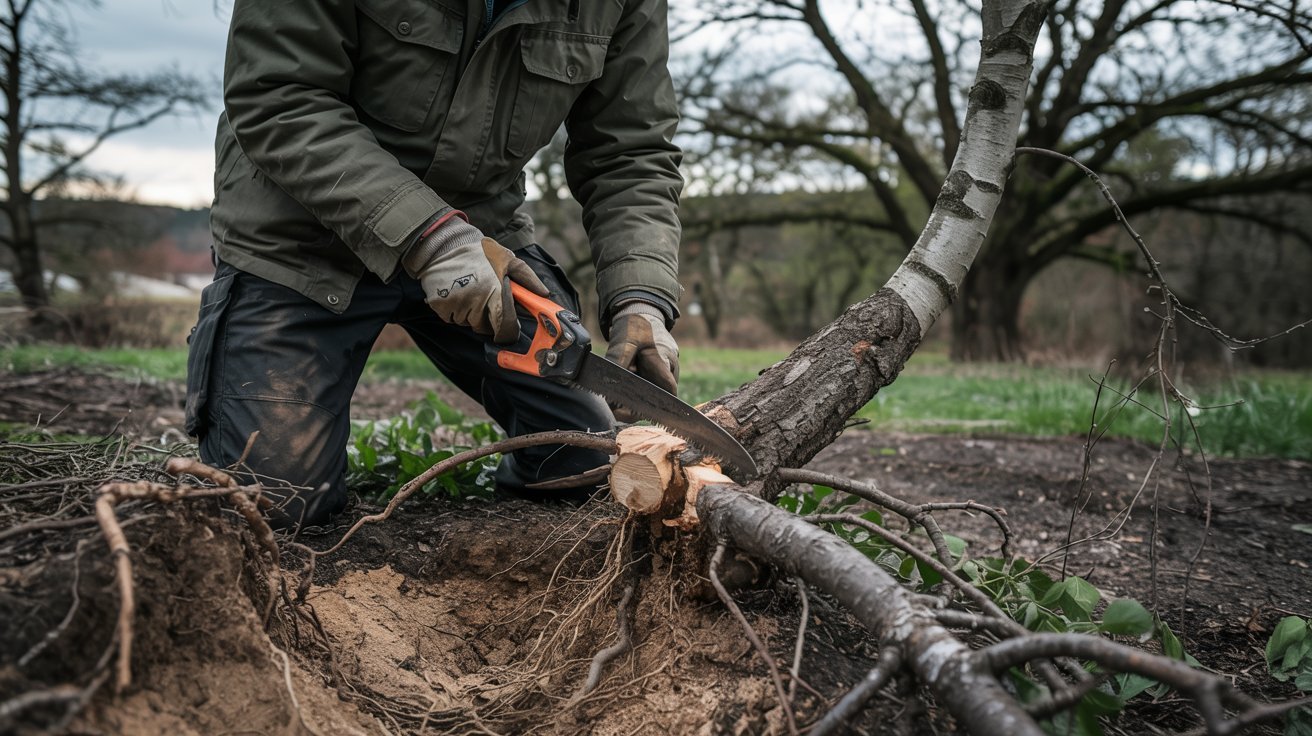
Timing and technique matter just as much as which roots you cut.
Best Time to Cut Tree Roots
Late fall or winter is the best time. Trees are dormant then. They’re not actively growing, so root cutting causes less stress.
Avoid cutting roots in spring or summer. That’s when trees are growing new leaves and branches. They need all their roots working at full capacity.
Cutting during active growth can shock the tree. It may drop leaves, stop growing, or even die.
Safe Root Cutting Guidelines
Follow these rules to protect your tree:
- Never remove more than 15–25% of visible roots: Any more than that, and you risk serious damage.
- Avoid cutting roots closer than 5× the trunk diameter from the tree: For example, if your trunk is 10 inches wide, don’t cut roots within 50 inches of the trunk.
- Use clean, sharp tools: Dull blades create jagged cuts that invite disease. Clean your tools with rubbing alcohol before and after cutting.
- Make smooth, clean cuts. Ragged edges take longer to heal and can rot.
Step-by-Step Root Pruning Tips
Here’s how to cut roots safely:
- Identify problematic roots: Figure out which roots are causing the problem. Only cut what you absolutely need to.
- Measure distance from the trunk: Use the 5× rule I mentioned above.
- Expose and cleanly cut the root: Dig around the root carefully. Use a sharp saw or pruning shears. Make one clean cut.
- Backfill with native soil and compost: Fill the hole back in. Don’t leave roots exposed.
- Monitor the tree for stress: Watch for yellow leaves, dead branches, or signs the tree is struggling. If you see these, call a professional.
Risks of Cutting Tree Roots
Cutting roots can cause serious problems for your tree’s health and stability.
Structural Instability

Big roots hold your tree upright. Cut them, and your tree might lean or fall.
This is especially dangerous during storms. High winds can topple a tree with damaged roots.
If your tree starts leaning after you cut roots, call an arborist right away.
Nutrient and Water Deficiency
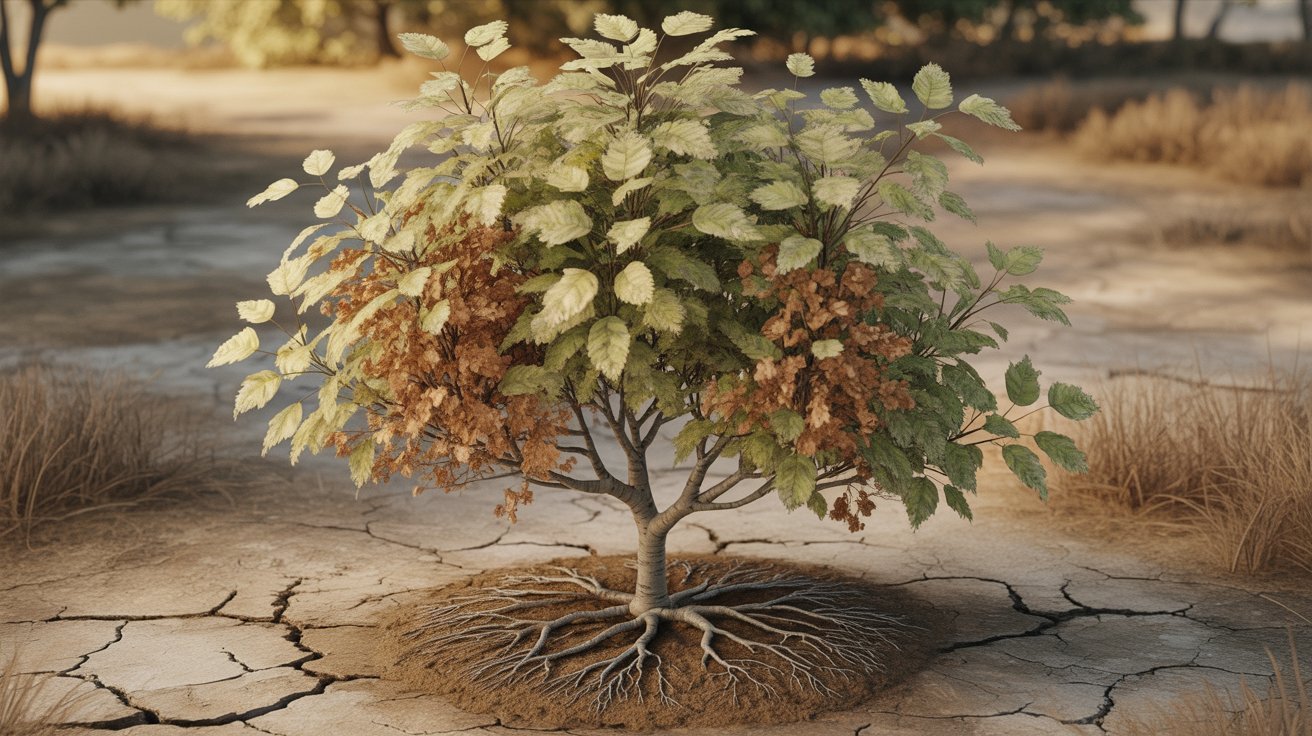
Roots absorb water and nutrients. Fewer roots mean less absorption.
Your tree might start showing signs of stress:
- Yellow or brown leaves
- Slow growth
- Thin canopy
- Wilting during hot weather
These symptoms mean your tree isn’t getting what it needs to survive.
Increased Susceptibility to Disease
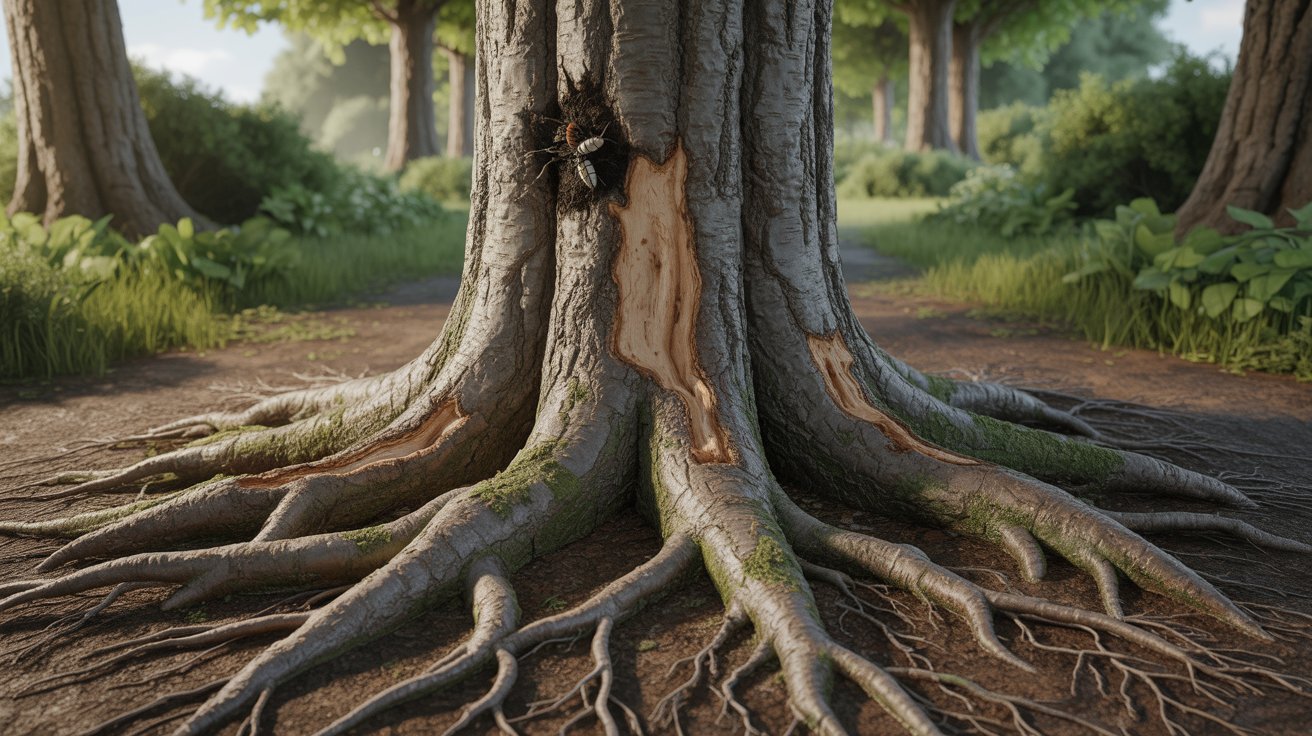
Every cut is an open wound. Fungi, bacteria, and pests can enter through these cuts.
Common problems include:
Root rot: Fungal infections that spread through the root system
Cankers: Dead areas on the trunk or branches
Insect infestations: Beetles and borers attack weakened trees
Keeping cuts clean and using sharp tools reduces this risk.
Alternatives to Cutting Tree Roots

Sometimes the best solution isn’t cutting at all, it’s working around the roots or guiding them in a different direction.
Root Barriers and Redirection
Instead of cutting roots, try redirecting them.
Root barriers are physical walls installed underground. They guide roots away from sidewalks, foundations, and pipes.
These barriers are made of plastic or metal. You install them between the tree and the structure you want to protect.
This method works best for young trees. Older trees already have established root systems.
Soil Leveling and Topdressing

If surface roots are the problem, try covering them instead of cutting them.
Add a mix of compost and sand over the roots. This raises the soil level without harming the tree.
Don’t add more than 2–3 inches at a time. Too much soil can suffocate the roots.
This method helps with lawn issues and makes mowing easier.
Professional Root Pruning Services
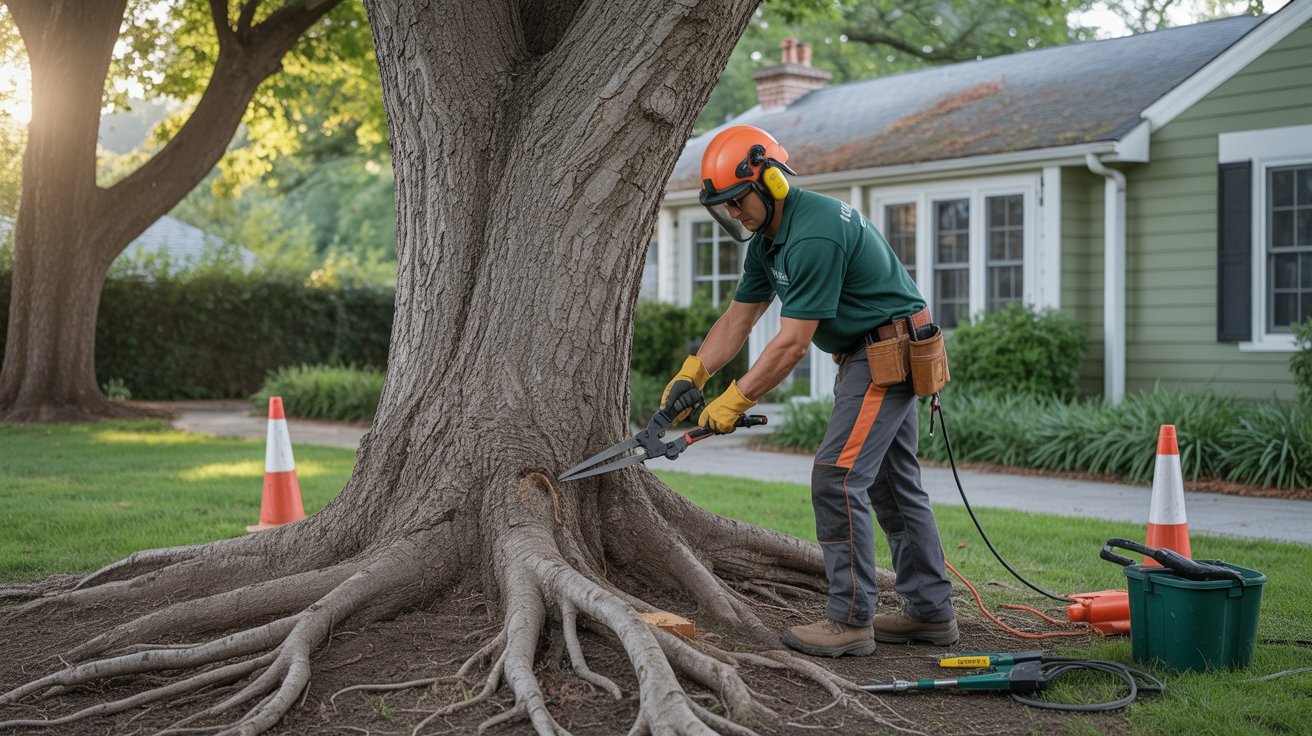
Some situations are too risky for DIY work.
Hire a certified arborist when:
- You need to cut large structural roots
- The tree is close to your house or power lines
- You’re not sure which roots to cut
- The tree is valuable or irreplaceable
Arborists have the training and equipment to do the job safely. They can assess your tree’s health and make recommendations.
Yes, it costs money. But it’s cheaper than removing a dead tree or fixing damage from a fallen tree.
When to Call a Tree Care Professional
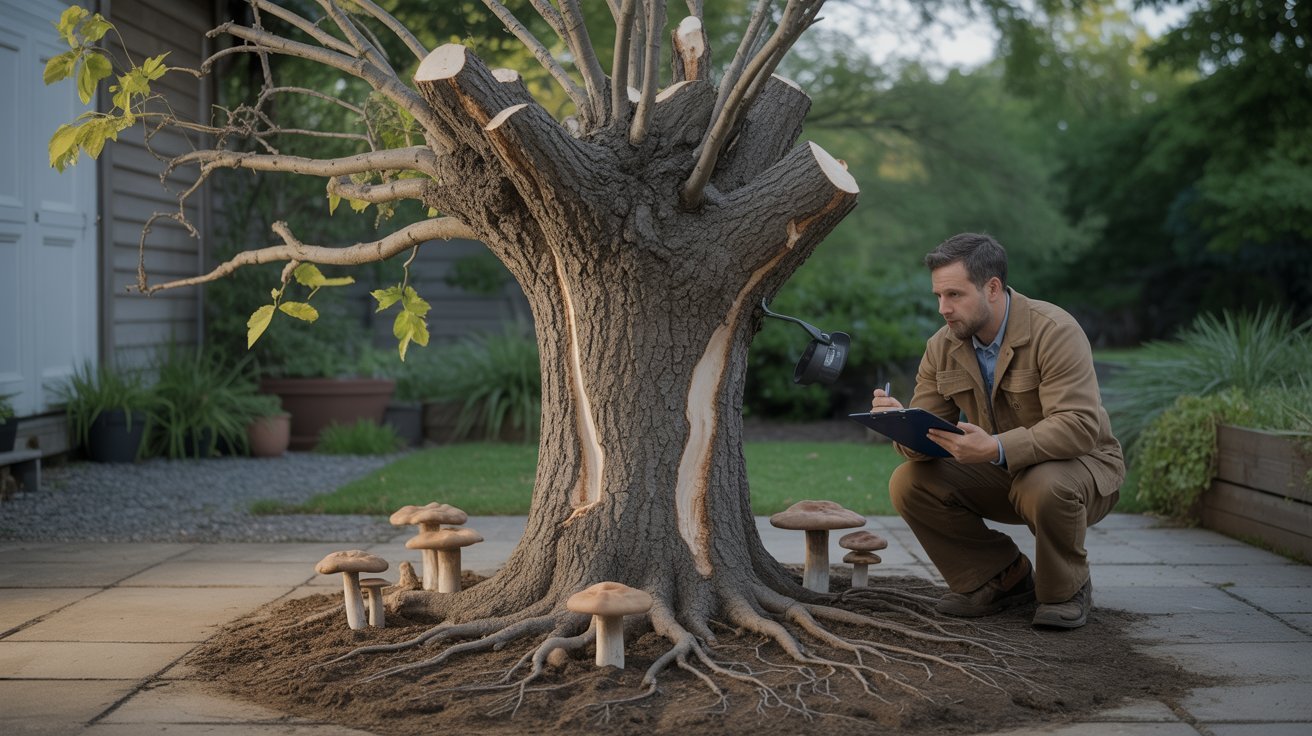
Sometimes you need expert help. Here are signs your tree is in trouble after root cutting:
- Yellow or wilting leaves: This means the tree isn’t getting enough water or nutrients.
- Dead branches: Also called dieback. Branches die from the tips inward.
- Leaning trunk: The tree is losing stability.
- Fungus or mushrooms: Growing on the trunk or around the base. This indicates rot.
- Cracks in the trunk: The tree is under severe stress.
Don’t wait if you see these signs. Call a professional immediately.
An arborist can also inspect your tree before you cut any roots. They’ll tell you if it’s safe and show you the best approach.
Most consultations are free or low-cost. It’s worth getting expert advice before you risk killing your tree.
Conclusion
So, will cutting tree roots kill the tree? Not always, but it’s risky. Small roots are usually safe. Large structural roots can be deadly.
I almost killed my neighbor’s oak once by cutting too close to the trunk. Learned that lesson the hard way. Go slow. Measure twice. Cut once.
Your tree took years to grow. Don’t risk losing it in an afternoon. When you’re unsure, spend the money and call an arborist. It’s worth it.
Got questions or want to share your own root-cutting story? Drop a comment below. I’d love to hear from you!
Frequently Asked Questions
How close to the trunk can I safely cut tree roots?
Don’t cut roots closer than five times the trunk diameter from the tree’s base. For a 12-inch trunk, stay at least 60 inches away. Closer cuts damage critical structural roots.
Can a tree recover from root damage?
Yes, if the damage is minor. Healthy trees can regrow feeder roots within a season. But losing major structural roots often causes permanent damage or death.
What happens if I cut a large tree root?
The tree may become unstable and could fall during storms. It might also struggle to absorb water and nutrients, leading to decline or death over time.
Is it better to cut roots or remove the entire tree?
If the roots are causing serious damage and you’d need to remove more than 25% of them, removing the tree is often safer and more cost-effective.
How long does it take for a tree to die after cutting roots?
It varies. Some trees decline within weeks. Others take months or even years to die. It depends on how many roots were cut and the tree’s overall health.


